Rebrand or brand refresh: which one does your business need?
By David Herskowitz, Founder and Creative Director
How to tell whether your business needs a full rebrand or a brand refresh, with a 10-point decision checklist, timelines, cost floors, and real Splash Creative examples from our Englewood, NJ studio.
Key takeaways
- A brand refresh updates how a strategy that still works looks. A rebrand changes who you serve, how you compete, or what you stand for, and sometimes the name.
- If what the company stands for or who it serves has changed, you need a rebrand. If the message is right and the system looks dated or inconsistent, you need a refresh.
- A refresh usually takes 4 to 6 weeks. A full rebrand with strategy and identity usually takes 8 to 12 weeks. Adding a new website to a full rebrand brings it to 12 to 16 weeks end to end.
- Brand identity starts from $15,000. A website starts from $15,000. Brand and website starts from $30,000. Splash does not publish a separate refresh price. The fee is the one in the written scope.
Rebranding agency
Change what needs to change. Know what is worth keeping.
A rebrand begins with a business question. Growth, a new audience, an acquisition, or a shift in direction can all expose a gap between the company and the way it presents itself.
Brand identity from $15,000.
By David Herskowitz, Founder and Creative Director, Splash Creative. November 16, 2026.
A brand refresh updates how a strategy that still works looks (logo refinement, type, color, and guidelines), while a rebrand changes the strategic foundation (who you serve, how you compete, and sometimes the name). If what the company stands for or who it serves has changed, you need a rebrand. A refresh usually takes 4 to 6 weeks and a full rebrand takes 8 to 12 weeks, with Splash brand identity work from $15,000 and brand and website from $30,000, as a fixed fee agreed in writing.
That is the same distinction on the rebrand and brand refresh page. This article is the checklist that page uses. The engagement is rebranding. The starting points are on pricing. The other branding notes are on the branding topic hub.
Rebrand vs refresh at a glance
A refresh and a rebrand are different jobs. A refresh is cosmetic: the strategy is already right, and the execution has aged or drifted. A rebrand is structural: positioning, audience, or the company itself has changed, and a new coat of paint cannot fix that.
| Brand refresh | Rebrand | |
|---|---|---|
| What changes | How the strategy looks: logo refinement, type, color, and guidelines. | The strategic foundation: who you serve, how you compete, what you stand for, and sometimes the name. |
| What stays | Positioning, audience, and the core message. The parts customers already recognize stay on purpose. | Whatever the audit shows customers already recognize and trust. Most rebrands keep the name. |
| Strategy work | Skipped. The strategy already works, so the scope does not add positioning workshops. | Positioning, audience, and messaging are rebuilt first. You sign off on that direction before design. |
| Naming | The name stays. | A naming review only when the name is part of the problem. A new name is not the default. |
| Timeline | Usually 4 to 6 weeks. A website added to a refresh is dated in the written scope. | Usually 8 to 12 weeks for strategy and identity. Adding a new website brings it to 12 to 16 weeks end to end. |
| Typical triggers | The brand looks dated, or the same system is applied inconsistently, and customers still understand the business. | A new buyer, a shift in positioning, a name or category you have outgrown, or a merger, acquisition, or funding event. |
| Rollout scope | Core collateral brought in line with the refined system. | Every place the brand appears, in a planned order: website, sales materials, social, packaging, vehicles, and signage. |
| Website impact | The site can keep its structure. A visual update is in the scope only when the proposal says so. | A new website is a separate decision. When it is included, old URLs are mapped so search traffic can carry over. |
Brand identity is the visual system either path ends in. Brand strategy is the positioning work, and it belongs in a rebrand, not in a refresh.
A 10-point decision checklist
Read the ten points in order. One rebrand signal is usually enough to justify the larger scope. If the only complaint is that the brand looks dated, it is a refresh. Five signs your brand identity is hurting the business is the shorter list of symptoms. This page is the choice of scope.
- A merger, an acquisition, or a funding event changed the company. That is a rebrand. The brand has to describe the company that exists now. What a Series A rebrand costs uses the same identity floors. It does not publish a separate Series A price.
- You are selling to a different buyer, or entering a market the brand was not built for. That is a rebrand. A new audience is a strategy change.
- New service lines no longer fit the position. That is a rebrand when the old sentence cannot hold the new offer. If the new lines are examples of the same position, a refresh can carry them.
- The name confuses buyers, boxes you into a market you have outgrown, or you cannot own it. That is a naming review inside a rebrand. A legal conflict on the name is a question for a trademark attorney. The design decision comes after that answer, not instead of it.
- You have outgrown the positioning. You can no longer say what you stand for in a sentence a competitor could not paste onto their own site. That is a rebrand.
- The visuals look dated and the message is still correct. That is a refresh. Customers still understand what you do and why you are different. The job is logo refinement, type, color, and guidelines.
- The system is right and the application is inconsistent. The logo, the site, and the sales deck no longer match. That is a refresh when the strategy still holds. It is a rebrand when the mismatch exists because the business changed and only some materials caught up.
- You wince when you send the brand to an enterprise buyer or an investor, and the reason is the story. That is a rebrand. If the reason is only that the files look old, it is a refresh.
- The founder is the brand, and the company is no longer only the founder. That is a rebrand question. The founder-led rebrand is the longer note on keeping recognition when the person and the company start to separate.
- Nothing in the business has changed, and customers are not confused. Leave the brand alone. A new logo without a reason is an expensive redesign.
If you are still between two of these, do not pick the larger one by default. The next section is how the fee and the calendar follow the choice. The audit in the section after that is how Splash makes the call before design starts.
What each costs and how long it takes
Splash does not publish a separate price for a refresh. A refresh is a smaller scope than a rebrand that rewrites positioning, because a refresh is execution and a rebrand is strategy plus execution. The fee follows that depth, whether naming is involved, how many touchpoints roll out, and whether a new website is part of it. The proposal sets the number. What a brand identity package includes is the identity delivery. This page does not restate that list, and it does not publish another studio's fee.
| Scope | Starting point | Timing |
|---|---|---|
| Brand identity, including a refresh of a strategy that still works | from $15,000 | A refresh, or a focused identity, usually takes 4 to 6 weeks. The refresh fee is the one in the written scope. |
| Full rebrand: strategy and identity | The proposal sets the fee. Brand identity starts from $15,000. | Usually 8 to 12 weeks. |
| Website | from $15,000 | Dated in the written scope. |
| Brand and website together | from $30,000 | Adding a new website to a full rebrand brings the work to 12 to 16 weeks end to end. |
| Ongoing partnership | from $2,500/month | A separate agreement, after launch. |
Pricing is where those starting points are listed. Project work is a fixed scope and a fixed fee, agreed in writing. There is no hourly billing on project work. If the work changes later, the effect on timing and cost is discussed before anyone proceeds.
How long a brand identity takes walks the weeks inside the 4 to 6 week range and the 8 to 12 week range. The 12 to 16 week figure is the end-to-end range rebranding publishes when a full rebrand also includes a new website. Rollout of physical items such as signage and vehicles runs on its own schedule after that. A website added to a refresh, rather than to a full rebrand, is dated in the written scope. This page does not invent a second week count for that smaller combination.
How Splash decides
The diagnosis comes before the design. You get a written recommendation, refresh or rebrand, and you sign off on it before any design starts. If the positioning still holds, the recommendation is a refresh, and the scope and the fee reflect that.
- Brand audit. Every customer-facing asset is collected and laid out together: logo files, the website, social, packaging, and sales materials. The audit notes where the visual identity drifts, where the message contradicts itself, and where the brand no longer describes the business. Nothing is redesigned in this step.
- What customers already recognize. Before anything changes, the audit lists what people would miss if it disappeared: a color, a name, a shape, a phrase. Those pieces carry forward on either path. Discarding them by accident gives away recognition you already paid for. How to measure brand equity before and after a rebrand is the longer page on that check. This article does not add a score.
- Written recommendation. Refresh or rebrand, with the criteria behind it. You sign off on the path before design begins. For a rebrand, positioning, audience, and messaging are rebuilt next, and the name is reviewed when it is part of the problem. For a refresh, that strategy step is skipped.
- Identity, then a sequenced rollout. The identity is evolved or rebuilt and tested on the real website, materials, and signage while it can still change. The rollout lists every place the brand appears and decides what switches at launch, what follows, and what the interim looks like. Few businesses can change everything in one day. That is fine when it is planned.
David Herskowitz leads every engagement. The studio is at 34 S Dean St, Suite 206, Englewood, NJ 07631. There is no New York City office. The same senior team stays on the work. The 14 steps before you brief any agency is what to settle on your side before the first call. This page is the decision those steps are preparing for.
Real examples from our work
The four projects below are published Splash Creative identity work. Each note stays inside that project page. None of these pages states a revenue figure or a week count, and this article does not add one. They are not labeled "refresh" or "rebrand" on the project pages. They show the kind of identity work the two paths cover: a new name and system, an identity where there was not one, and a brand and website built so the offer is clear. Our work is the full set.
CoverWhale
CoverWhale is an InsurTech broker that uses data and technology to streamline trucking insurance. The project page says the company needed a brand and website that could communicate speed and reliability to an audience with no patience for friction, and that every touchpoint had to feel clear and credible from the first second.

The published scope is logo and visual identity, copywriting, and website design. The page says the brand and website were built around one idea: make it fast, make it clear. The identity projects confidence and precision. The site moves people directly to what they need. How we rebranded CoverWhale is the longer writeup. This article does not restate claims that page makes beyond the project page.
Betterness
Betterness needed a name and an identity that did not sound like everything else in a crowded category. The project page says the offering sits at the intersection of clinical care, personal growth, education, and community, and that the identity had to feel legitimate and warm without feeling clinical, trendy, or vague.

The published scope is logo and visual identity, color and typography, brand messaging, and brand guidelines. The page says the name Betterness is intentionally simple, and that the system includes a manifesto, voice principles, taglines, and visual guidelines. That is naming and identity, the strategic foundation, not a refinement of a system that already existed.
Oak Funding
Oak Funding is a New York-based real estate private equity firm offering bridge loans, mezzanine financing, and construction loans for commercial properties across the NY/NJ metro area. The project page says the firm brings the perspective of both a property owner and a lender, and that without a brand that story was not getting told.
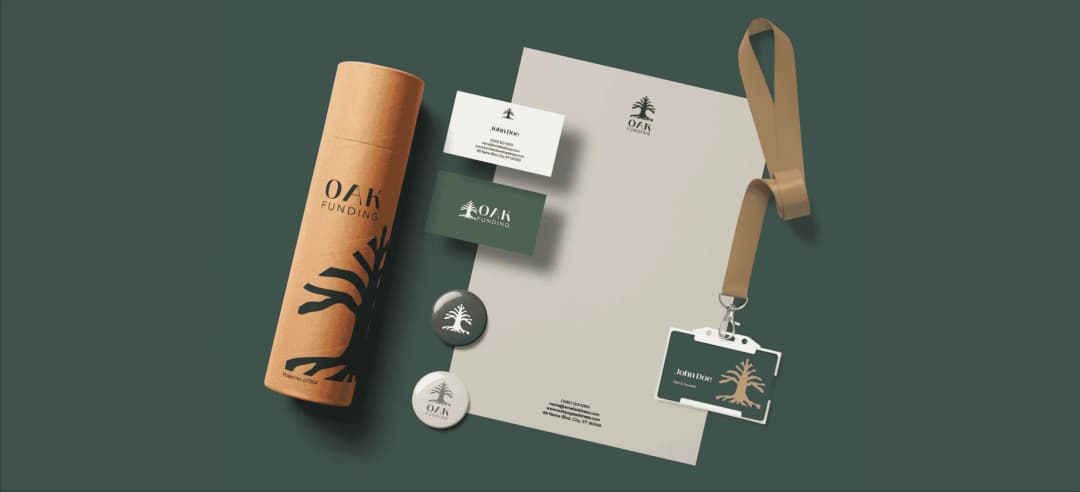
The published scope is logo and visual identity, color and typography, brand guidelines, and a website. The page says the mark is a hand-drawn oak tree with a hidden upward arrow and deep roots, and that forest green and warm gold carry the identity. The website is the digital home for that system. This is an identity built because there was not one, which is a different job from refreshing a system customers already know.
Modality Advisors
Modality Advisors is a boutique strategic advisory and capital formation firm. The project page says the firm was built from the ground up to work across advisory, execution, and capital formation rather than picking one lane, and that the job was a name, a look, and a voice for an institutional audience.
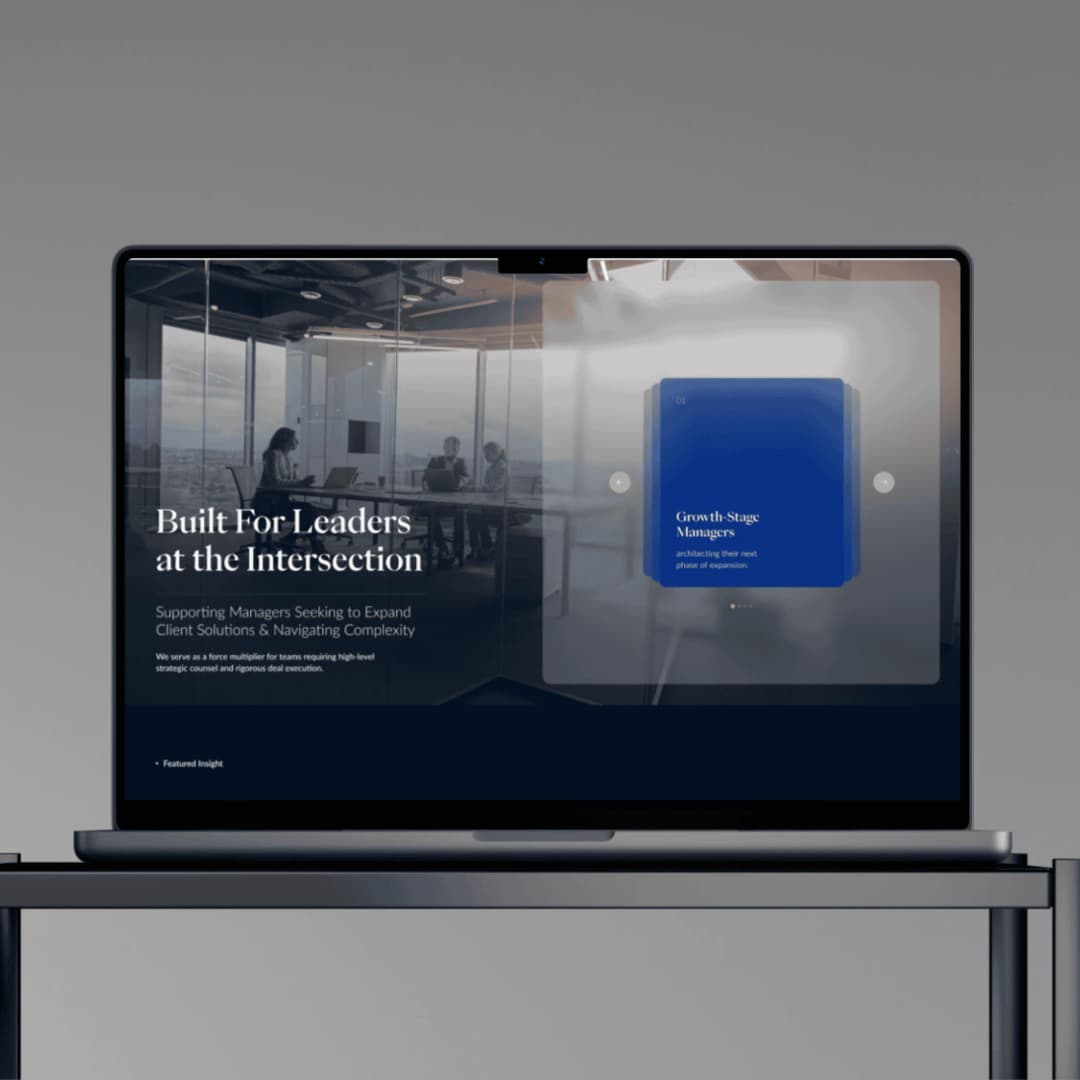
The published scope is logo and visual identity, copywriting, and a website. The page says the identity is clean, authoritative, and restrained, and that the copy distills the offer into language built for the boardroom. The name, the look, and the site were introduced together. That is a new strategic foundation, not a visual update of a prior system.
Mistakes to avoid
Rebranding when a refresh would do. Teams throw away a color, a shape, or a name customers already know because they are bored of the logo. The audit exists so that recognition is a decision, not an accident. If customers still understand what you do and why you are different, start with a refresh.
Refreshing when the positioning is broken. A new typeface on a strategy that no longer describes the company makes the wrong story look tidier. If the buyer, the offer, or the company has changed, the visual update will not fix it. Say so before you spend the design weeks.
Skipping the rollout. The new logo goes on the website and the old one stays on the deck, the truck, or the sign for another year. List every touchpoint, decide what switches at launch, and decide what the interim looks like. A plan is what keeps customers from seeing two brands at once for longer than they have to.
Changing the name without checking equity. Most rebrands keep the name. A new name is the right call when the current one boxes you in, confuses the buyer, or cannot be owned. It is the wrong call when the name is the thing customers already trust and nobody checked. How to measure brand equity before and after a rebrand is that check. A trademark question goes to a trademark attorney.
Frequently asked questions
Is a brand refresh cheaper than a rebrand?
Splash does not publish a separate refresh price. A refresh is a smaller scope than a rebrand that rewrites positioning, because a refresh is execution and a rebrand is strategy plus execution. Brand identity starts from $15,000. Brand and website together starts from $30,000. A website on its own starts from $15,000. The proposal sets the fee, the deliverables, and the schedule before kickoff. The same starting points are on pricing.
How long does a brand refresh take?
A refresh usually takes 4 to 6 weeks. That is the same published range as a focused identity, used when the position is already clear. A full rebrand with strategy and identity usually takes 8 to 12 weeks. How long a brand identity takes walks the weeks inside those two ranges.
Does a rebrand mean a new website?
Not by itself. A rebrand can keep the current site and change the identity and the words on it. A new website is its own scope, from $15,000, or part of brand and website together, from $30,000. Adding a new website to a full rebrand brings the work to 12 to 16 weeks end to end, which is the range rebranding publishes. Signage and vehicles roll out on their own schedule after that.
Will a rebrand hurt SEO?
A new identity on its own does not change rankings. A new website can, if URLs change and nothing points the old address to the new one. When the rebrand includes a new site, the plan maps every old URL to its new home and updates listings when anything changes. A new logo does not hurt rankings. Broken links do.
Can we refresh the logo without a full rebrand?
Yes, when the strategy still works. Logo refinement, an updated type and color system, and revised guidelines are a refresh. The positioning, the audience, and the core message stay. If what the company stands for or who it serves has changed, a logo update will not fix it. Brand identity is the visual system. Brand strategy is the positioning a rebrand rebuilds first.
Do you work with NYC companies?
Yes. Splash Creative is at 34 S Dean St, Suite 206, Englewood, NJ 07631. There is no New York City office. The studio serves New York City and Northern New Jersey from Englewood, and works with clients farther away. David Herskowitz leads every engagement. Rebranding is the engagement. Pricing is the fee.
Do we need a new name?
Usually not. Most rebrands keep the name and change what surrounds it. A new name is the recommendation when the name boxes you into a market you have outgrown, confuses the buyer, or cannot be owned. You see the reason before you decide. A legal conflict is a question for a trademark attorney.
What should we prepare before we brief an agency?
Write down, in one or two sentences, why you are considering a change. Gather the current assets and agree who can approve the path. The 14 steps before you brief any agency is that preparation. Bring the current site and that sentence to the first conversation, even if the sentence is still rough.
Have a related question?
Tell us what you're working on. We'll help determine whether there is a useful project to explore.
“Splash delivers powerful brand ID, slick websites and UX, beautiful graphic design, and intelligent software solutions. Great team, great experience, great creative partners.”