

Brand strategy and positioning
 Brand strategy and positioning
Brand strategy that ends up on the homepage, not in a drawer
We work out who you're for, what you stand against, and the one thing you can say that a competitor can't. Then the same team carries it into the identity, the site, and the copy, so the strategy actually ships.
In short
 In short
Brand strategy at Splash Creative defines your positioning, your priority audience, your messaging, and how your products or sub-brands relate to each other. It starts with conversations with you, your team, and sometimes your customers, and ends in a written strategic brief you approve before any design begins. The same team then uses that brief to build the identity, website, and copy.
- Who it is for
- New businesses finding their footing and established companies making a change
- What it covers
- Positioning, audience priorities, messaging, brand architecture, and a strategic brief
- Who does the work
- A senior team led by David Herskowitz, Founder and Creative Director
- How it is priced
- Brand identity from $15,000. Scope and fee confirmed in a written proposal

In David’s words
“What you really want is figuring out what's unique to you. What is something that you want to bring to the game?”

Our view
The strategy document is not the brand. Most strategy work ends as a deck that gets handed to a designer, then a developer, and loses something at every handoff. Much of the rest fails a simpler test: the position is something any competitor could paste onto their own homepage tomorrow.
What we do instead
We test every candidate position against what you can actually prove in your product, your service, and your track record. We map the alternatives a customer really weighs, which is usually a wider set than the competitors you track. We decide who the brand has to win first, because messaging aimed at everyone lands with no one. And because we also design the identity and write the site, the strategy becomes the brief for real work instead of a PDF.
Where we've done it
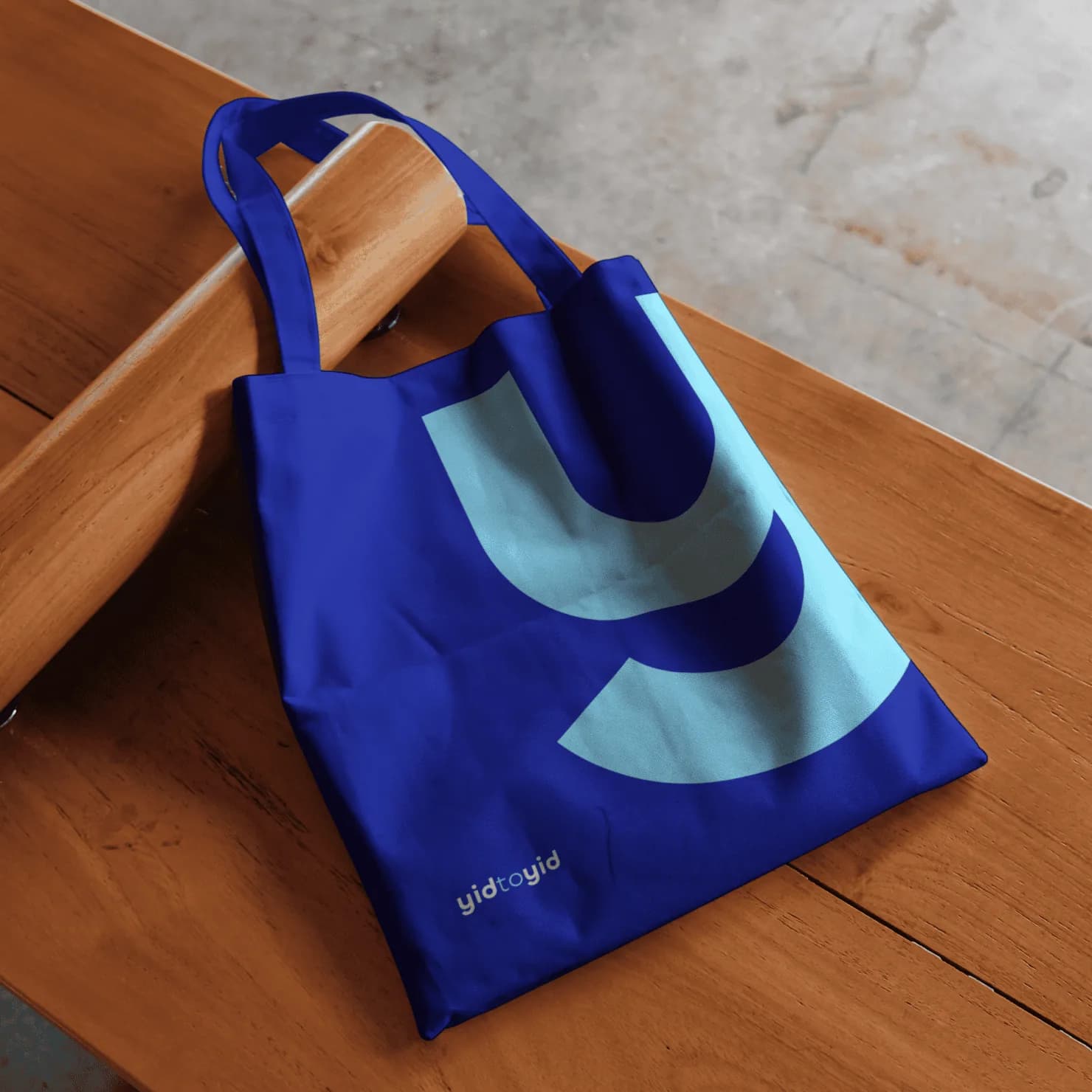
Modality Advisors was built to work across advisory, execution, and capital formation instead of picking one lane, and the brand had to explain that choice without sounding unfocused. For Yid to Yid, the position came straight from its philosophy: no institutional middlemen, one yid helping another directly. Roadway Moving competes in a category that is a race to the bottom, so the messaging made care the reason to choose them.
What a brand strategy engagement gives you
- 01
Positioning
One clear statement of who you're for, what you do for them, and why you instead of the alternative. If a competitor could sign it, we keep going.
- 02
Audience priorities
Who the brand has to win first, and what each secondary audience needs to hear. Trying to speak to everyone equally is how a brand ends up saying nothing.
- 03
Messaging hierarchy
The core proposition, the supporting points, and the proof behind each, in order. Your writers, designers, and sales team work from one argument instead of improvising their own.
- 04
Competitive map
The real alternatives a customer weighs, including doing nothing or doing it themselves. A position only means something next to what it's competing with.
- 05
Brand architecture
When you have several products, services, or sub-brands, we decide how they relate: one master brand, endorsed names, or separate identities. That choice drives naming, navigation, and whether recognition carries from one offering to the next.
- 06
A strategic brief you can design from
The decisions written as direction for identity, language, and the website, so the creative work gets judged against something other than taste. Nothing moves into design until you've approved it.
Strategy work.
All work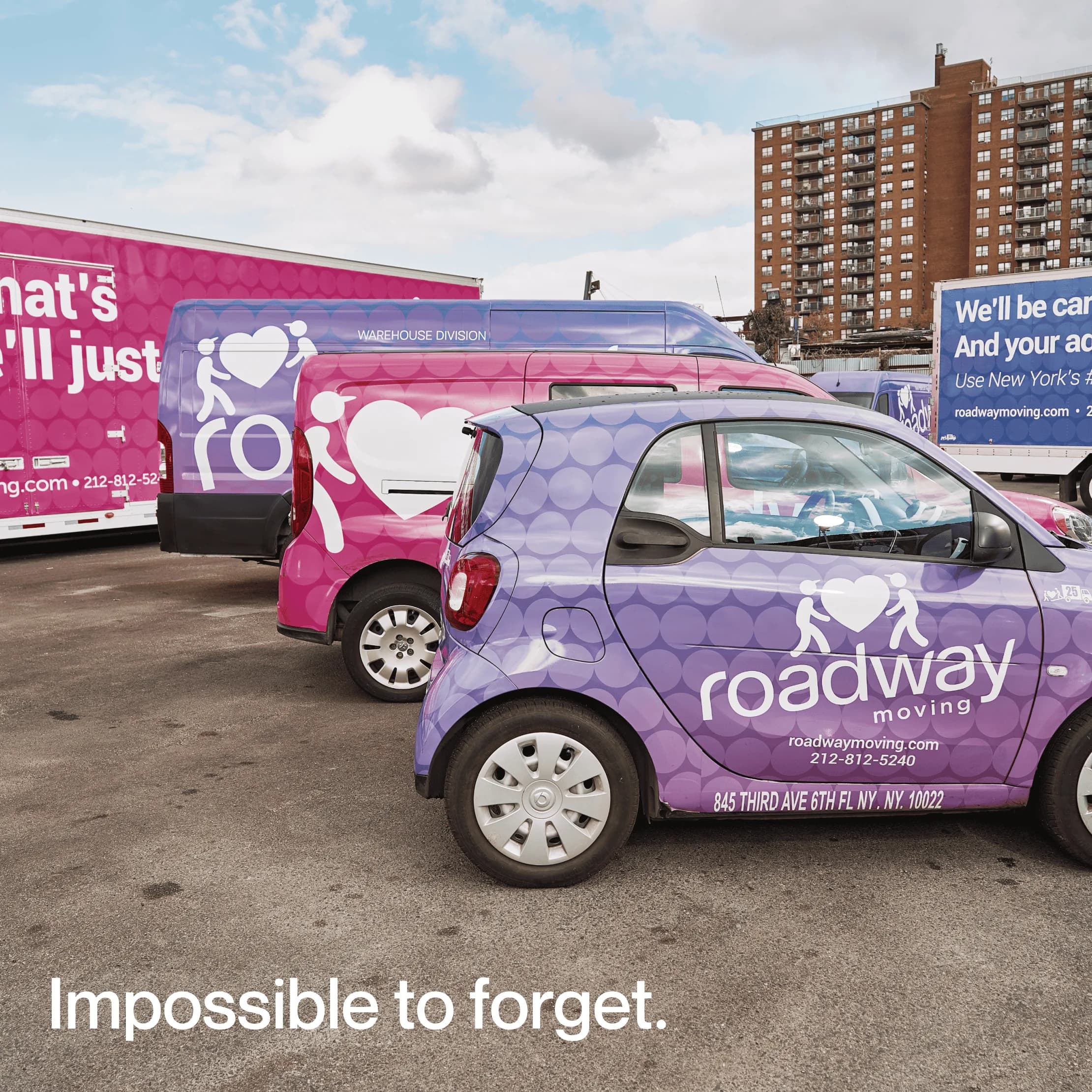

We're a good fit if...
- You're launching and want to know what you stand for before you spend money on a logo.
- You can explain the business brilliantly in a meeting, but your website can't.
- Your positioning sounds like every competitor's, and you suspect customers couldn't tell you apart.
- You've added products, services, or a sub-brand and nobody is sure how they fit together.
- You're heading into a fundraise, a launch, or a rebrand and need one argument everyone can repeat.
- You've tried the freelancer stack (logo from one, site from another, emails from a third) and the brand doesn't hold together.
Not a fit
Not a fit if you want a workshop and a deck to hand to someone else, with no plan to build from it. A solo consultant can do that well. We do strategy because it makes the identity, website, and copy better, and we do our best work when we get to build what we plan.
How a brand strategy project with us works
- 01
Discovery
We talk with you, your team, and where it helps, your customers, and we read everything you already have. Existing strategy gets reviewed for gaps, not thrown out by default.
- 02
Audience and competitive map
We map the alternatives your customer actually considers and decide which audience the brand must win first. You see the map and challenge it before we draw conclusions from it.
- 03
Positioning and messaging
We bring candidate positions, each tested against what the business can prove, and we tell you which one we'd pick and why. Expect pushback here: it's the cheapest moment in the whole project to change your mind.
- 04
The strategic brief
Positioning, messaging hierarchy, voice, and architecture go into one written brief. You approve it in writing before a single visual is drawn.
- 05
Into the work
The brief becomes the starting point for the identity, the site, and the copy, built by the people who wrote it. Nothing gets lost in translation because there is no translation.
Build on existing strategy, or set a new position?
A new engagement does not automatically require a new positioning exercise. The depth of the work depends on what is already known.
Building on existing strategy
- Starting point
- The strategy already in place, reviewed for gaps
- What it produces
- Agreement on what needs further work
- Usually right when
- The position is sound and specific gaps need resolving
New positioning work
- Starting point
- The business, audience, and competitive context
- What it produces
- Positioning, audience priorities, messaging, and brand architecture where needed
- Usually right when
- The business is new or needs to establish what it stands for
Questions, answered.
What's the difference between brand strategy and brand identity?
Strategy decides what the brand says and who it's for. Identity decides how it looks and sounds when it says it. Strategy comes first because without it, design decisions are just taste, and at Splash Creative both are handled by one team so the identity is built directly from the brief.
Do we need new strategy if we already have a brand?
Not necessarily. If your positioning is sound, we review it, find the gaps, and build on it. A new engagement doesn't automatically mean a new positioning exercise.
Should we hire a strategy consultant or an agency?
A consultant makes sense if you already have strong design and development in-house and only need the framework to brief them. If the strategy has to become a live identity, site, and copy, one team holding the thread from brief to launch avoids the handoff problem. We'll tell you honestly which one you need.
How long does brand strategy take?
Strategy is the first phase of most of our brand projects, and a focused project covering strategy, identity, and guidelines usually runs 6 to 10 weeks. Strategy that builds on existing thinking moves faster than strategy starting from a blank page.
How is brand strategy priced?
A brand identity starts at $15,000. The fee follows the question we're answering: how much research it needs, how many audiences and offerings are involved, and whether naming, architecture, identity, or a website come after it. We put scope, timing, and fee into a written proposal for you to approve before kickoff. If you share your budget up front, we'll tell you plainly what it can cover.
Is brand strategy worth it for a startup?
Yes, maybe more than for anyone. A new company has a lot to explain and very little time to explain it. We focus on the decisions that have to be right on day one and leave room for the rest to develop as you learn from customers.