
Visual identity and logo design
 Visual identity and logo design
An identity that works on a favicon, a box, and a billboard
We design the logo and the whole system around it: type, color, art direction, and the rules that hold it together. No one ever falls in love with a logo. They fall in love with the world you build around it.
In short
 In short
Splash Creative designs brand identities: a logo system, color palette, typography, photography and illustration direction, and brand guidelines with working templates. Each identity is built from an agreed strategic direction, explored in a few distinct routes, and tested on real applications such as the website, packaging, and social posts before it is finalized. The team is led by founder and creative director David Herskowitz on every project.
- Who it is for
- New businesses finding their footing and established companies making a change
- What it covers
- Logo system, color, typography, art direction, guidelines, and agreed templates or applications
- Who does the work
- A senior team led by David Herskowitz, Founder and Creative Director
- How it is priced
- Brand identity from $15,000; brand and website from $30,000. Scope and fee confirmed in a written proposal
Our view
Anyone can design a logo now. AI can design your logo. What it can't do is bring it into real life: the storefront, the merch, the email, the product page. Most identity work stops at the mark and a presentation where it looks great on one slide, and the brand falls apart the first time someone has to use it tiny, in one color, or on top of a photo.
What we do instead
We treat the logo as the signature at the bottom of the letter and put just as much care into what's inside: type, color, layout, imagery. We test the mark at favicon size, in one color, and reversed before we refine a single curve. We put the chosen route onto the website, packaging, and social while it can still change, because that's where problems show up. And we design from your strategy, not from a moodboard of other people's brands.
Where we've done it
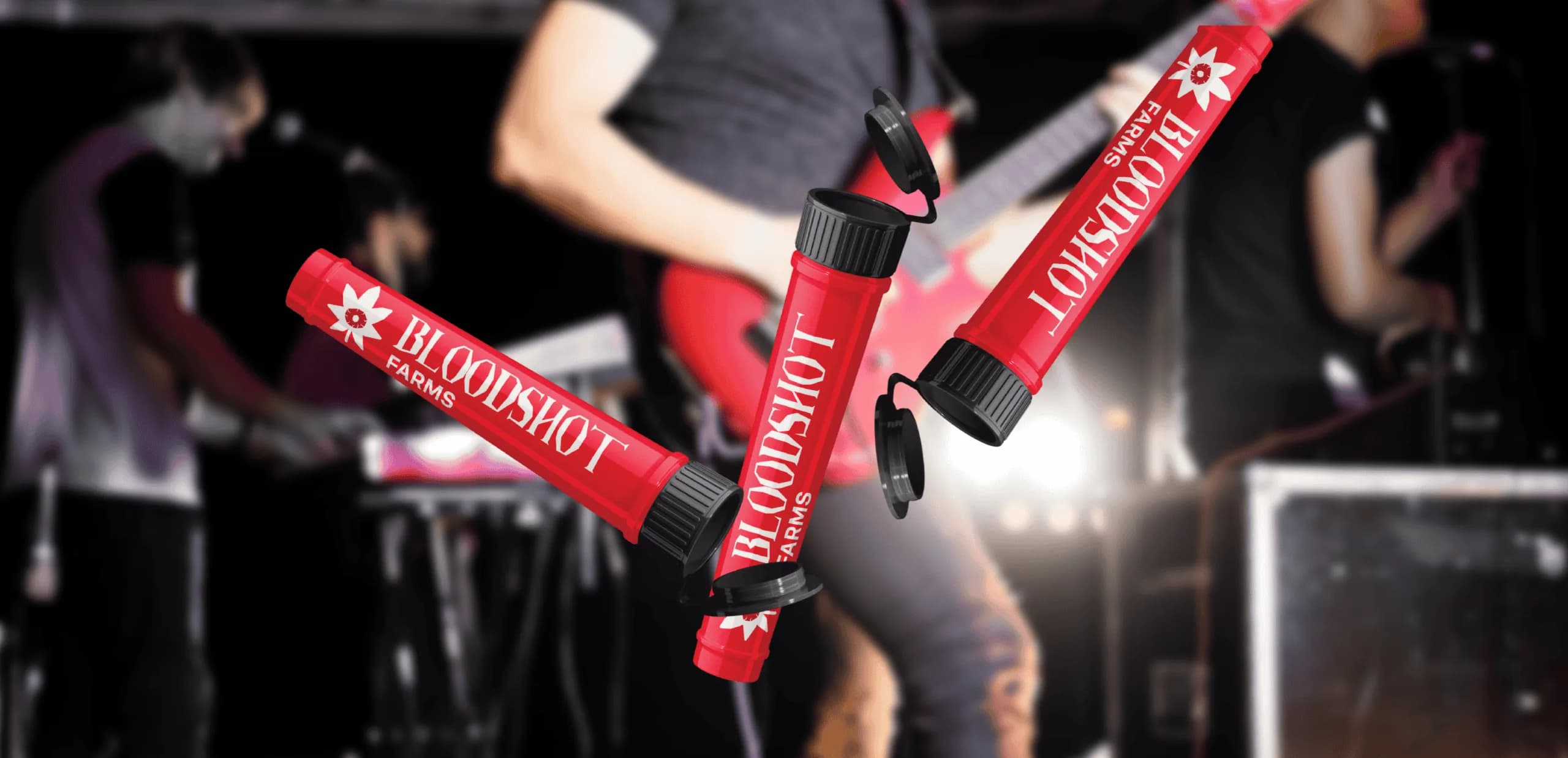
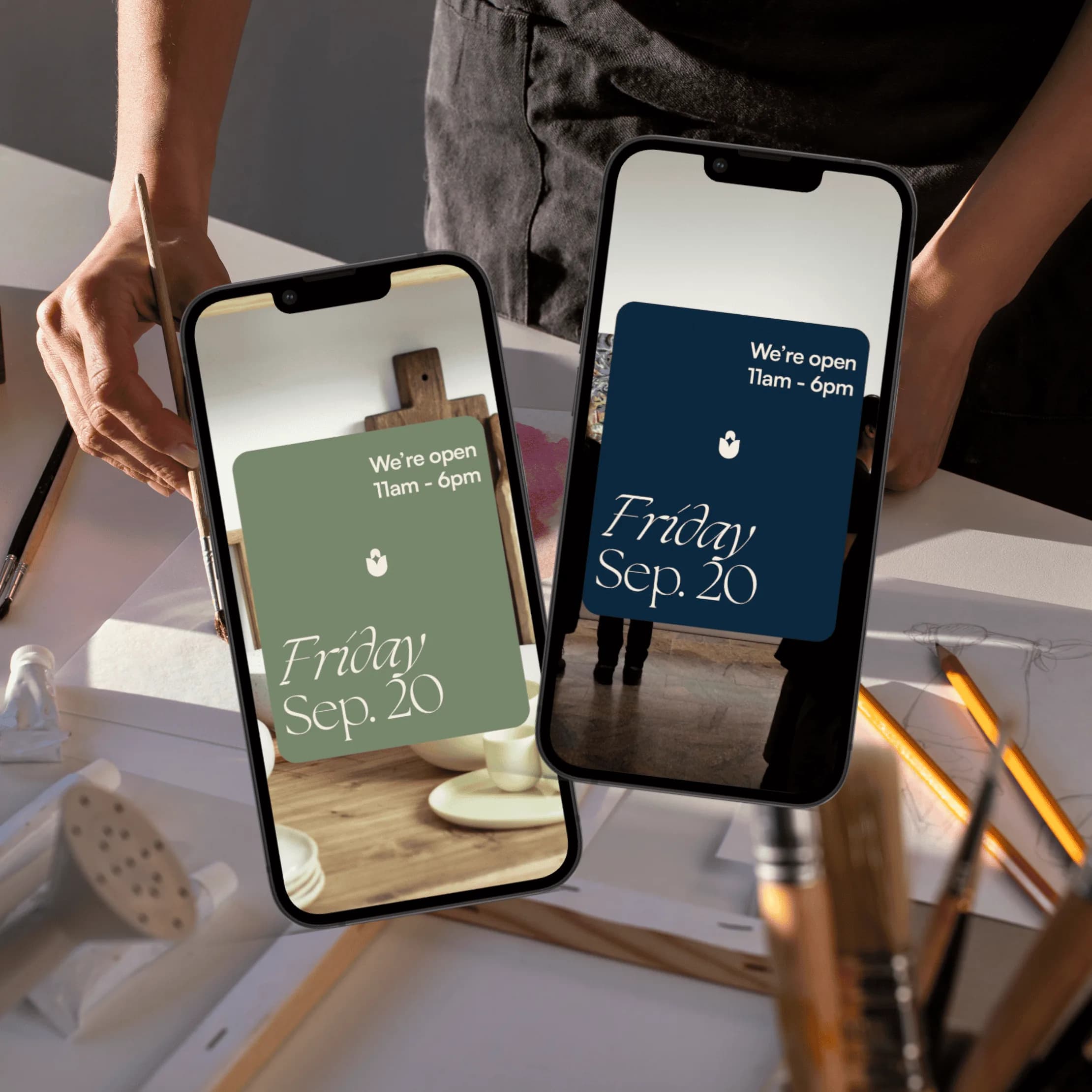
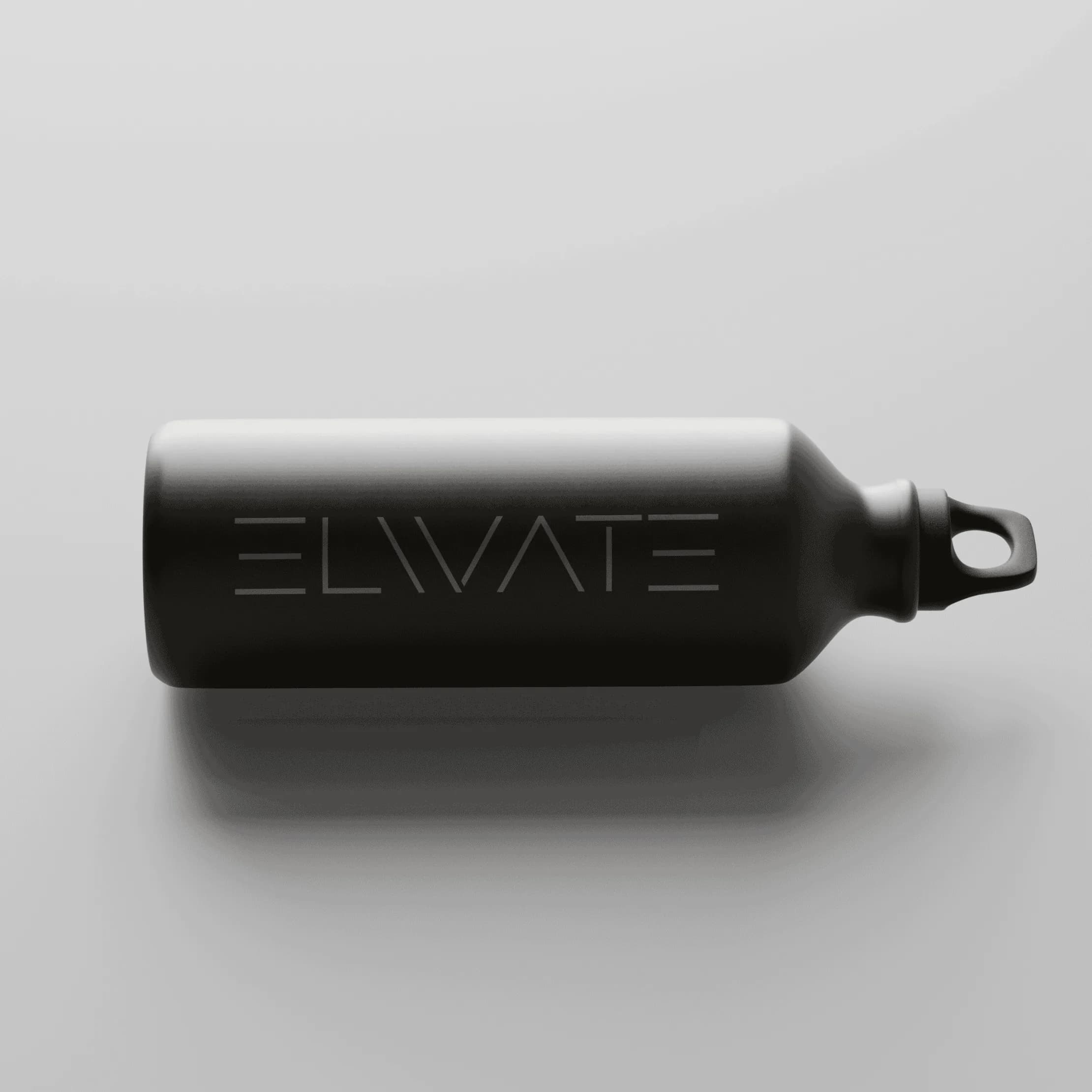
Manhattan Valley Pediatrics wanted warm, colorful, and distinctly retro, with nothing clinical and no sharp edges. Elivate needed to stand apart in a fitness category full of dumbbells and swooshes, and Bloodshot Farms needed a cannabis identity that refused to look predictable. For The Shuk, an arts marketplace in Englewood, NJ, the identity had to carry across signage, print, and social, not just the logo.
Everything the identity has to do
- 01
Logo system
Primary mark, secondary marks, wordmark, and icon, each with a specific job. Every version is tested at favicon size, as a social avatar, and in one color, because that's where weak marks break.
- 02
Typography
Typefaces chosen for character and for range: weights, screen legibility, language support, and licensing for web and app use. A beautiful font you can't license for your website isn't a decision, it's a problem waiting for launch week.
- 03
Color
A palette specified for screens, coated and uncoated paper, and signage, with contrast pairings that meet accessibility needs. Color has to look like the same brand on a phone and on a printed box.
- 04
Art direction
Photography and illustration direction so the brand stays recognizable when the logo is small or missing entirely. This is usually the part people actually remember.
- 05
Guidelines and templates
Rules, the reasoning behind them, and working templates for the things your team really makes. Guidelines that only describe the logo get ignored fast.
- 06
Real applications
We design the identity onto your website, packaging, decks, and social before we call it done. The application is the test.
Identity work.
All work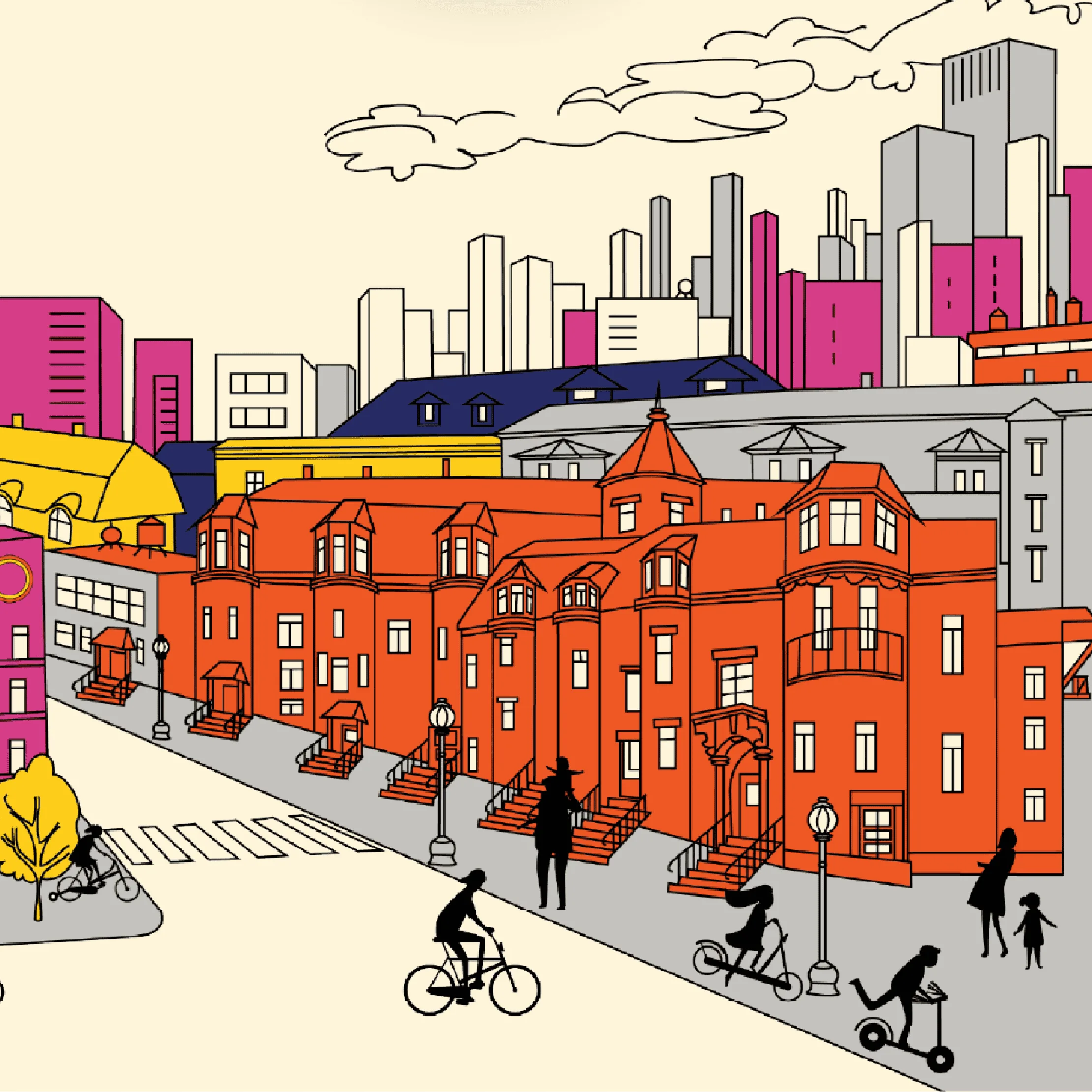
Manhattan Valley Pediatrics
Brand Guidelines · Logo + Visual Identity
Manhattan Valley Pediatrics
“I recently worked with Splash Creative to create my website and branding. I must say it was an excellent experience. Splash Creative is artistic and creative who not only listened to my needs but also managed to enhance my ideas and bring them to life. They truly cared about my vision and executed it with precision. Their attention to detail is commendable and I was impressed with how they managed to meet all of my requirements within the given timeline. I highly recommend Splash Creative to anyone in need of top of the line website development and marketing services.”
We're a good fit if...
- Your logo was made fast for launch and the business has outgrown it.
- Your brand looks different on your website, your packaging, and your Instagram, and you can see it.
- Your look borrows heavily from a competitor and you want something that's actually yours.
- You have a strategy (ours or someone else's) and need it turned into a visual system.
- Your team makes new materials every week and needs templates and rules, not guesswork.
- You're about to launch packaging, a site, or a fundraise and the identity has to be ready first.
Not a fit
Not a fit if you need a logo file and nothing else, or if you've already decided exactly what it should look like and need someone to draw it. We're most useful when we're allowed to think, test, and disagree with you.
How an identity project with us works
- 01
Direction
We start from the strategy, existing or new, and agree in writing on what the identity has to communicate. If there's no strategy yet, we build it first instead of designing on a guess.
- 02
Exploration
We present a few distinct routes, each shown on real applications rather than floating on a white background. You'll hear which one we'd choose and why.
- 03
Refinement
We develop one route in depth: mark details, type pairings, palette values, imagery. The mark is tested small, reversed, and in one color before any detail is locked.
- 04
Application testing
We put the identity on the website, packaging, social, and decks while changes are still cheap. What breaks in use gets fixed before launch, not after.
- 05
Guidelines and handoff
You get the guidelines, master files in every format, and templates your team can use from day one. If you want us on call after launch, ongoing creative support is available.
Keep the mark or start again?
That depends on what is changing. Sometimes the existing mark has value and the wider system needs attention.
Build around the existing mark
- What changes
- Color, typography, art direction, and guidelines around the current mark
- Usually right when
- The existing mark has value and the wider system needs attention
New logo and visual system
- What changes
- The mark and the full visual system around it
- Usually right when
- What is changing in the business calls for a new mark as well
Questions, answered.
Do we need a new logo, or a better system around the one we have?
Often the second. If your existing mark has recognition and holds up technically, we can keep it and rebuild the type, color, imagery, and rules around it. We assess that before recommending a direction, and we'll tell you if the mark itself is the problem.
What's the difference between a logo and a brand identity?
The logo is your signature. The identity is everything else: color, typography, imagery, layout, voice, and the rules for using them. Customers recognize the system long before they study the mark.
How many logo options will we see?
A few distinct routes, not dozens of variations. Each one is a real strategic choice shown on real applications, so you're choosing a direction for the business rather than picking a favorite shape.
How long does a brand identity project take?
A focused project covering strategy, identity, and guidelines usually runs 6 to 10 weeks. Adding a website or packaging extends it, and the biggest variable is how quickly feedback comes back.
How is identity design priced?
A brand identity starts at $15,000. Brand and website together start at $30,000. The fee depends on whether strategy is included, how many marks and sub-brands are involved, how deep the guidelines go, and which applications we design. Everything is written into a proposal with scope, timing, and fee that you approve before we begin. Give us a budget range and we'll show you what it realistically covers.
Can't AI make our logo?
It can make a logo. It can't decide what your brand should stand for, test the mark on a box and a favicon, or build the system your team uses every day. That work is what turns a logo into a brand.