

Website design and development
 Website design and development
, built from the structure up
This is the craft behind our web work: information architecture, content, design, code, and what happens after launch. Every decision is made for the person trying to find an answer, not the person approving the homepage.
In short
 In short
Website design and development at Splash Creative covers information architecture, page content, custom design, front-end and CMS development, technical SEO, migration, and post-launch improvement. We settle the sitemap and the content of each page before visual design starts, design in Figma with real copy, and build on WordPress, Webflow, or a headless stack chosen for the project. A small senior team led by founder David Herskowitz does the work.
- Who it is for
- Businesses launching a new website or rebuilding an existing one
- What it covers
- Page structure, custom design, development, integrations, search foundations, testing, and handoff
- Who does the work
- A senior team led by David Herskowitz, Founder and Creative Director
- How it is priced
- Website from $15,000; brand and website from $30,000. Scope and fee confirmed in a written proposal

In David’s words
“And the problem is, at a restaurant, you have a waiter that you can ask your questions to. When someone's on your website, if they don't find their answers, they're looking somewhere else.”

Our view
Most web projects start in the wrong place: a homepage mockup. The design gets approved, the real copy arrives, and the layout breaks. Meanwhile nobody decided what each page is for. A website is a set of answers to the questions visitors bring, and that structure has to be settled before anyone picks a typeface.
What we do instead
We map the questions each kind of visitor arrives with, then give every question a short path to its answer. Navigation uses the words visitors use, not internal jargon or clever names. Content priorities and page structure are settled before layout, so the design is built for what each page actually has to say. Only then do we design.
Where we've done it
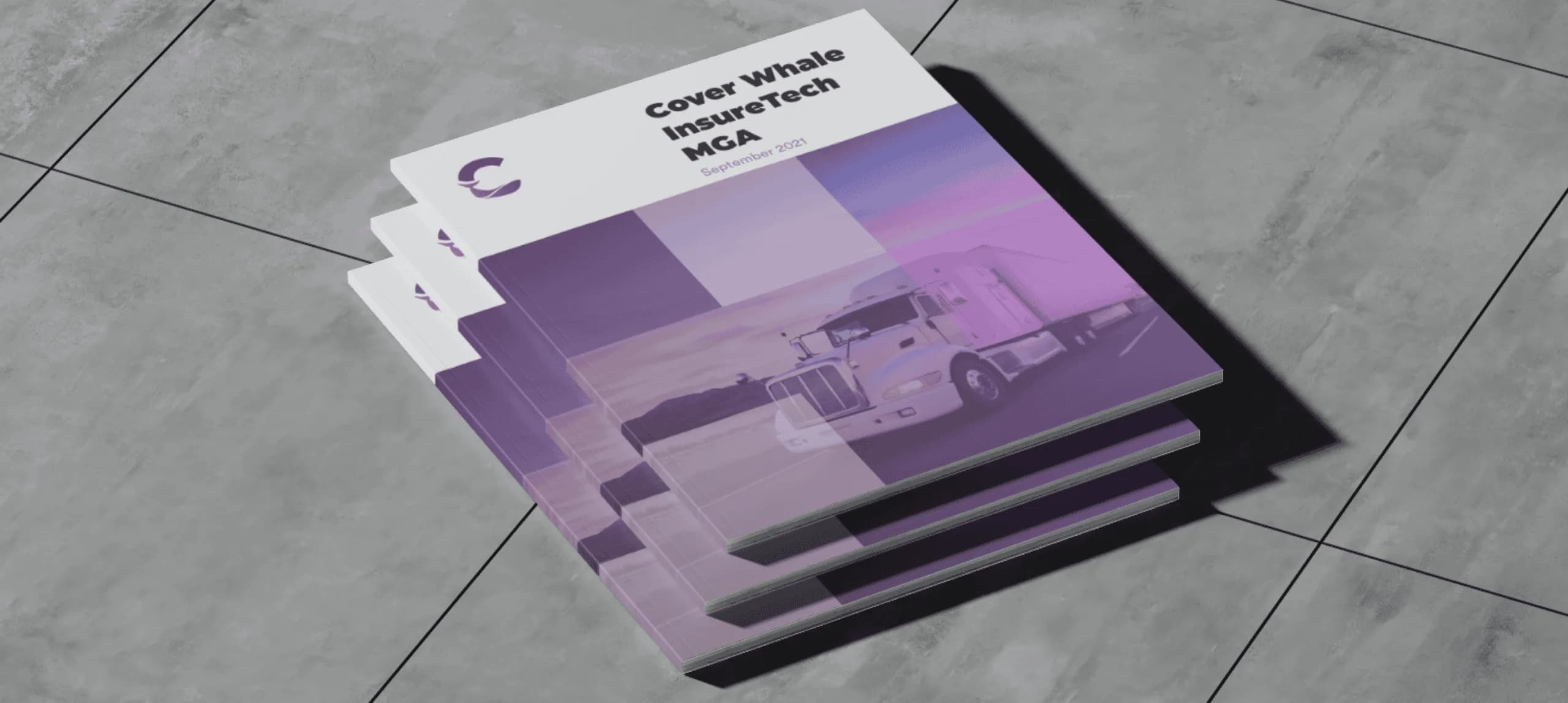
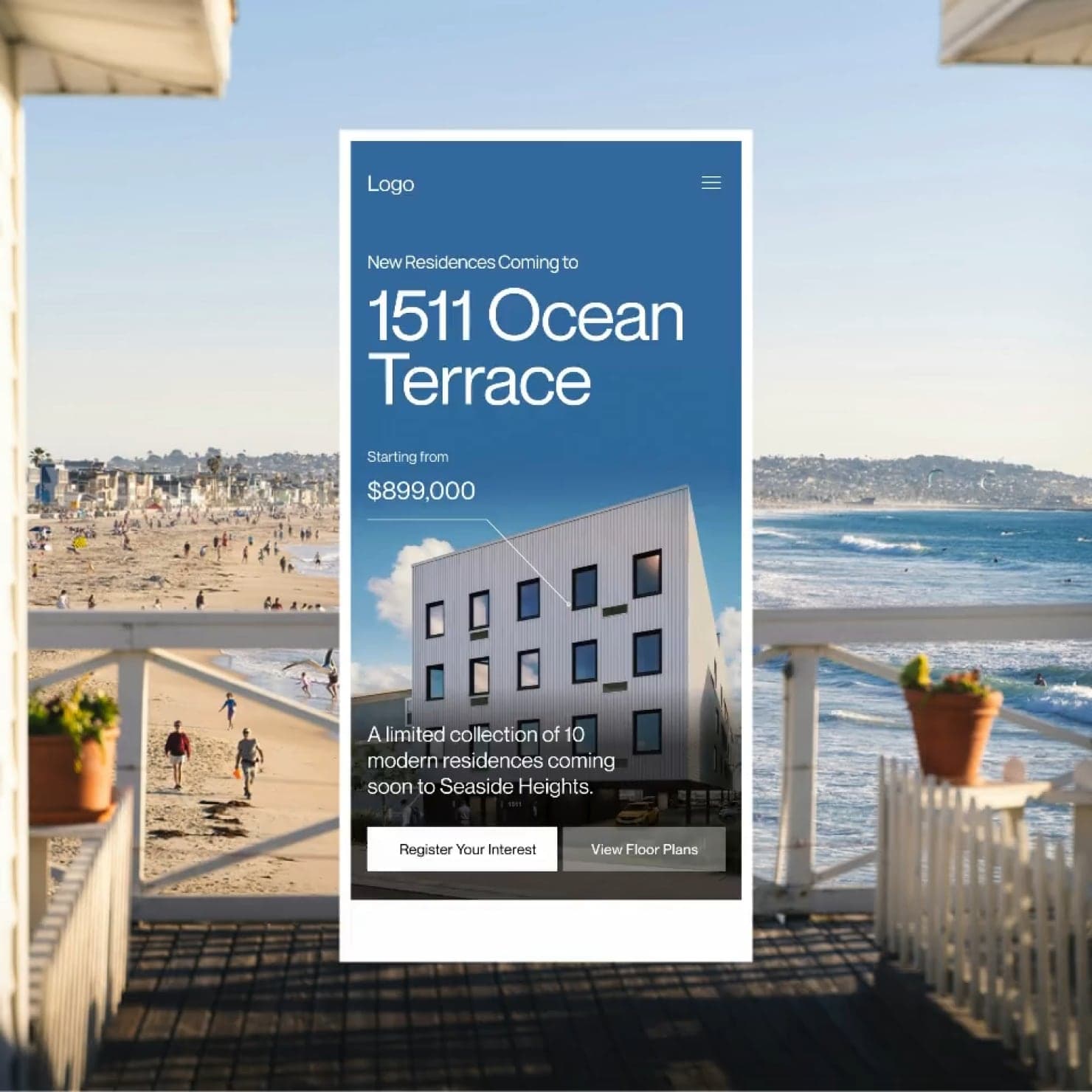
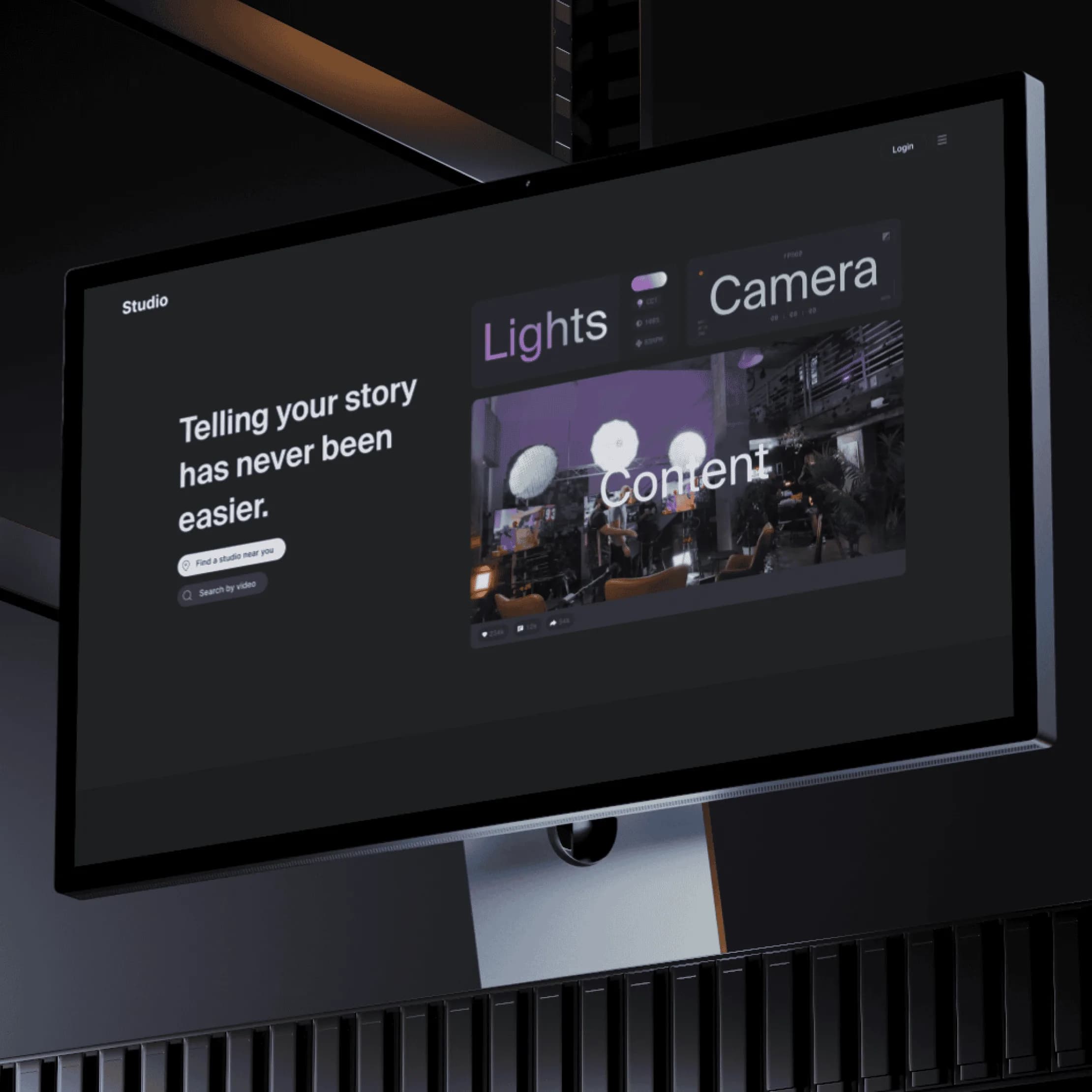
Religious Equality needed hundreds of statutes across all 50 states presented so researchers, advocates, and policymakers could actually use them. Manhattan Children's Center had to serve families, prospective staff, and donors from one site without losing its warmth. CoverWhale needed a site that read fast for trucking customers with no patience for friction.
What goes into a site we build
- 01
Information architecture
Sitemap, navigation, page flow, and content hierarchy. Menus stay short enough to scan and use the words your customers search with. This is the structural work that separates a site that looks good from a site people can use.
- 02
Content before layout
We write or edit the copy and settle what every page has to say before design starts. Pages designed around placeholder text break the day the real copy shows up.
- 03
A design system, not a stack of pages
Key templates first, then reusable sections and components your team can combine into new pages without a designer. Typography, spacing, and states are designed, not left for the developer to guess.
- 04
Development
Custom WordPress themes built on ACF, custom Webflow builds, or a headless Next.js setup when the content model calls for it. Accessible components, clean markup, and editing screens labeled in plain English.
- 05
Speed and technical SEO
Image sizing, script loading, layout shift, and Core Web Vitals are handled in the build, not patched after launch. Titles, descriptions, heading structure, and schema are set page by page, so nothing ships on defaults.
- 06
The link preview
When someone refers you, they send a link, and that link shows a preview image before anyone clicks. It's a free billboard most sites waste on a blurry logo. We design and set share images so yours gives people a reason to click.
Web work.
All work
“I recently worked with Splash Creative to create my website and branding. I must say it was an excellent experience. Splash Creative is artistic and creative who not only listened to my needs but also managed to enhance my ideas and bring them to life. They truly cared about my vision and executed it with precision. Their attention to detail is commendable and I was impressed with how they managed to meet all of my requirements within the given timeline. I highly recommend Splash Creative to anyone in need of top of the line website development and marketing services.”
Our method fits if...
- Your site has grown page by page and nobody can find anything anymore.
- Your team needs to publish new pages without breaking the layout or calling a developer.
- You're changing platforms and can't afford to lose the rankings you've built.
- You serve several audiences (customers, partners, investors, new hires) who each need a different path.
- Your site is slow on a phone and you suspect the theme, the plugins, or both.
- You want the copy and the design worked out together, not glued together at the end.
Not a fit
If the design is already finished and you just need it coded, or the site has to be live in two weeks, this method will feel slow. The thinking is the part we won't skip.
Our web design and development method
- 01
Audit and questions
We review your analytics, current sitemap, search rankings, and the questions your sales or support team hears most. You get a written summary of what the current site gets right and what it's costing you.
- 02
Sitemap and wireframes
We build the sitemap and grayscale wireframes with real headings and draft copy. You approve the structure before any color or typography goes on a page.
- 03
Visual design
We design a few key templates first, agree on the direction, then extend it to every template at desktop and mobile sizes. Components are shown with real content, including the longest headline you'll ever write.
- 04
Build and QA
We develop on a staging site you can click through, then test across browsers and devices, check speed, and validate schema. On a rebuild, every old URL is mapped to a new one before launch.
- 05
Launch and learn
We launch, submit the sitemap, and watch how people actually move through the site. Assumptions made in the wireframes get checked against real behavior, and we simplify where the data says to.
A new website or a rebuild?
Both start with the audiences and the decisions they need to make. A rebuild also has to account for what the current site already carries.
New website
- Where it starts
- Audiences, content priorities, sitemap, and functionality
- What it covers
- Structure, custom design, development, integrations, testing, and handoff
- Search visibility
- Search foundations built into the site
Website rebuild
- Where it starts
- The same, plus a review of the current structure and content
- What it covers
- All of that, plus content migration, redirects, and internal links
- Search visibility
- Useful URLs retained wherever practical, with search visibility in the migration plan
Questions, answered.
Which platform should we build on?
Usually WordPress, because most teams already know it and a custom ACF theme gives you structured, flexible pages. Webflow suits smaller marketing teams that want visual control, and a headless Next.js setup makes sense when content has to feed an app or several sites. We recommend one in the proposal and explain why.
Can you keep our URLs and rankings in a redesign?
Yes, and we plan it before we design. We keep useful URLs where we can, redirect the rest one to one, and carry over titles, metadata, and internal links so the search equity you've earned comes with you.
Do you use purchased themes or page builders?
No. Every page is designed from scratch and built as a custom theme or custom build. Your team still gets flexible, reusable sections for new pages, without the extra weight a page builder loads on every visit.
Do you design for AI search as well as Google?
Yes. Clear headings, direct answers near the top of a page, and structured data help both search engines and AI answer engines understand what you do. We build that structure in rather than bolting on an SEO plugin at the end.
How is the schedule split between planning, design, and build?
Structure and wireframes take the first stretch, visual design the middle, and development and QA the last. Most marketing sites usually land between 8 and 12 weeks overall. The biggest variable is content: a site waiting on copy is waiting on everything.
What drives the cost of a website build?
A website starts at $15,000. Brand and website together start at $30,000. The number of unique templates, custom functionality and integrations, how much copy we write, and the size of any migration. We don't quote from a menu. Scope, timing, and fee go into a written proposal before kickoff, and if you share a budget we'll shape the scope to it honestly.