

 Email and lifecycle marketing
In short
 In short
Splash Creative builds email marketing as a retention system: automated flows triggered by what customers do, campaigns sent to segments based on real behavior, and templates that carry the brand. We work mostly in Klaviyo connected to Shopify, and judge the program by placed order rate per flow and revenue per recipient rather than open rates.
- Who it is for
- Brands that want email flows and campaigns connected to the customer journey
- What it covers
- Lifecycle strategy, automated flows, campaign templates, and ongoing campaigns where agreed
- Who does the work
- A senior team led by David Herskowitz, Founder and Creative Director
- How it is priced
- From $2,500 per month. Scope and fee confirmed in a written proposal

In David’s words
“So many brands that I see today are welcoming people with 20% off. That's not a welcome. That's a bribe. Don't give them a discount, give them a reason.”

Our view
Email marketing isn't sending a newsletter and hoping for the best. Most brands pour their budget into finding new customers and almost nothing into keeping the ones they have. The customer who just bought from you is the easiest person to sell to again, and most brands send one order confirmation and go silent.
What we do instead
We build the system first: a clean list, the core flows, a campaign cadence, and segments that build themselves from your store data. Each piece feeds the next. A new customer comes in through the welcome series, buys again from a post-purchase cross-sell, stays warm through campaigns, and comes back when a replenishment reminder lands at the right moment.
Where we've done it
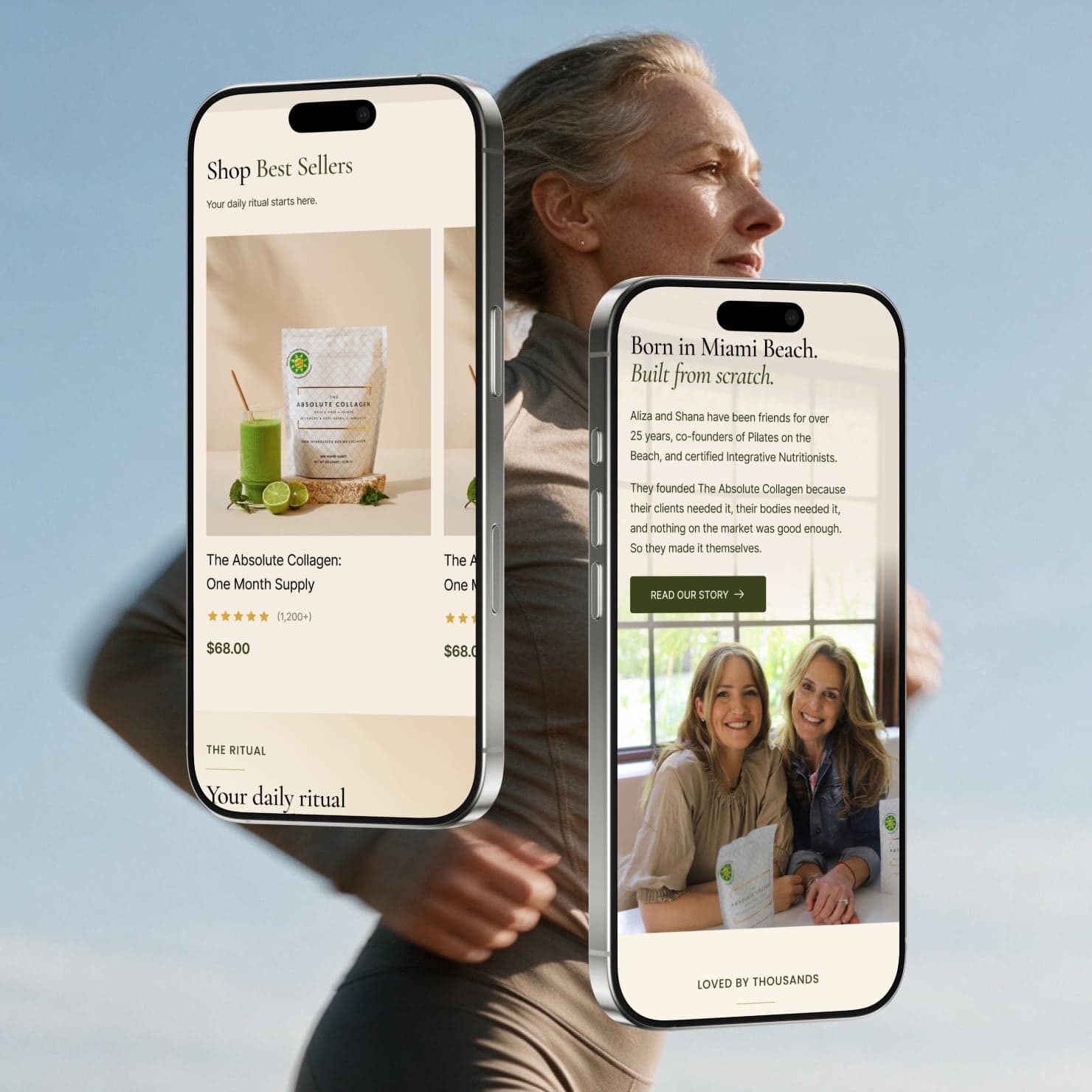
For HUUG we handle Klaviyo setup, automation flows, email design, and copy as one ongoing job. We've designed email for The Absolute Collagen, a one-product supplement brand, for GenOne's sports card collectors, and for YidtoYid, a peer-to-peer fundraising platform, where the email has to move people to give rather than to buy.
The parts of a retention engine we build
- 01
A welcome series that introduces you
Usually three to five emails over seven to ten days: why you exist, what makes the product different, and where to start. It delivers whatever the signup promised, then gives them a reason to stay.
- 02
Cart and browse abandonment
Browsing, leaving a cart, and leaving checkout are different moments with different intent. A typical cart sequence: a reminder after an hour with no discount, social proof or answers the next day, and a small incentive only if margin supports it. Everything stops the moment they buy.
- 03
Post-purchase and replenishment
A real thank-you, how to use the product, a review request timed for after they've actually used it, then the next product. For consumables, a reorder reminder timed to how fast people really run out.
- 04
Win-back and list hygiene
Customers who've gone quiet get a different message than active buyers. If they still don't engage after a few attempts, we suppress them. Protecting deliverability matters more than an inflated subscriber count.
- 05
Campaigns sent to segments, not the whole list
Launches, seasonal moments, and brand stories, sent by purchase history, product category, engagement, and how someone joined. Blasting the full list every time is the fastest way to train inboxes to file you as spam.
- 06
Templates that look like the brand
Your typography, palette, voice, and photography style, not a stock Klaviyo template with your logo dropped in. If your emails look like they came from a different company than your website, you're spending the trust you're trying to build.
Email work.
All work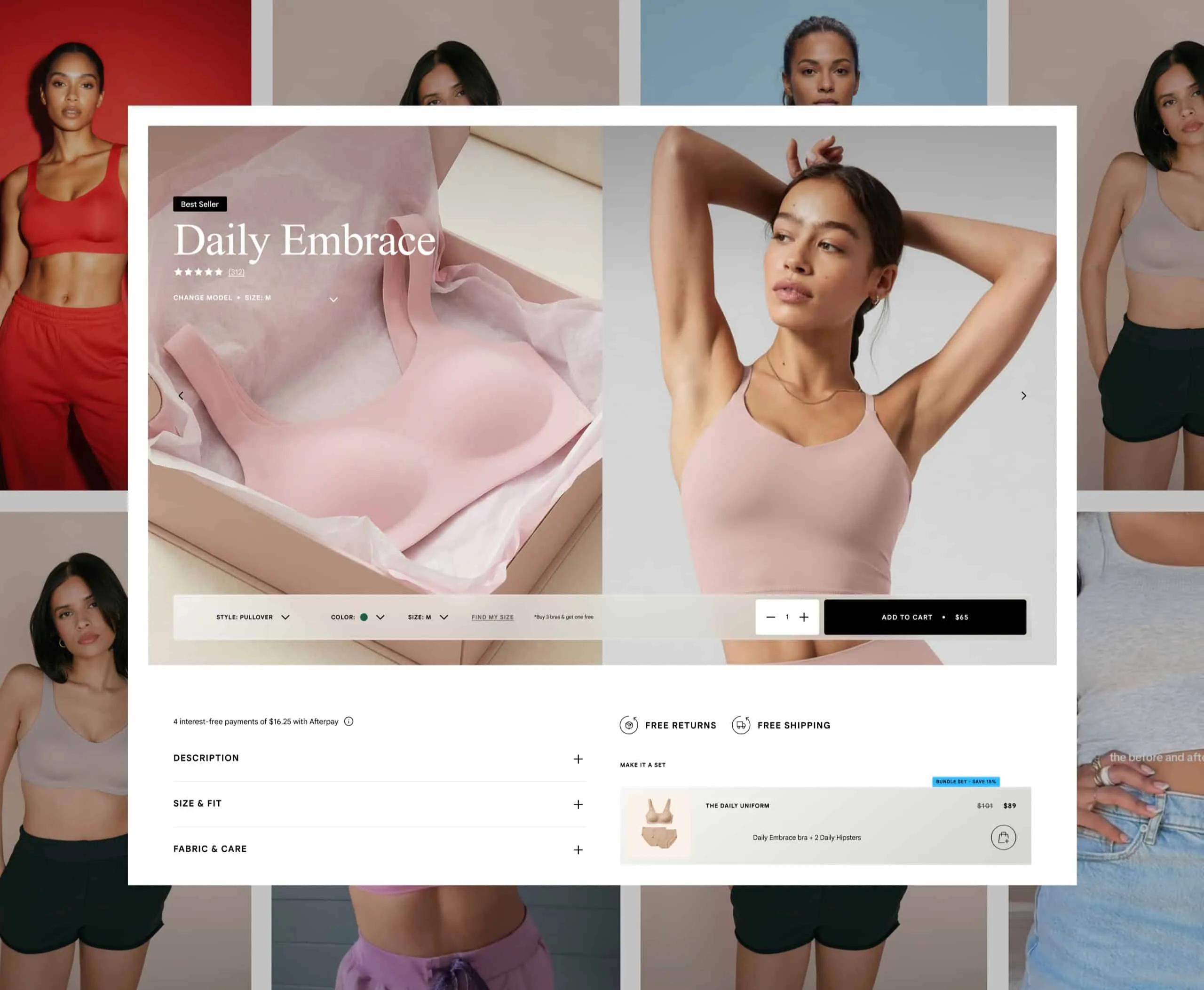
We're a good fit if...
- You're on Shopify and Klaviyo, or ready to be, and want the store data driving who gets what.
- Your list is big but engagement keeps sliding, and you suspect the whole-list blasts are why.
- You discount by default and want customers who come back without waiting for a code.
- Nobody has looked at your SPF, DKIM, and DMARC setup, or your bounce and complaint rates, in a long time.
- You sell something people reorder, and nothing reminds them when they're about to run out.
- You want flows, campaigns, and brand designed by the same team, so they don't repeat each other.
Not a fit
If you're after a list to buy, a quick blast to everyone, or someone to send what you write without questioning it, look elsewhere. We'll push back on anything that hurts deliverability or teaches customers to wait for a sale.
How we build an email program
- 01
List and platform check
Before we write a subject line, we check list quality, signup sources, domain authentication, and how your store data flows into Klaviyo. A healthy small list beats a big cold one, so we fix the foundation first.
- 02
Flow map
We map every automated sequence against your customer journey: triggers, timing, exits, and where an incentive is and isn't worth the margin. You approve the map before anything is written.
- 03
Write and design
Copy and design are made together, in your voice and visual system. Every flow email is written for the moment it lands in, not adapted from a generic sequence.
- 04
Build and test
We build in Klaviyo, set suppression and exit rules, and run test profiles through every path. A customer who buys mid-sequence should stop getting reminders, and we check that they do.
- 05
Read the right numbers
We track placed order rate per flow, revenue per recipient, list growth, deliverability, and unsubscribe and spam complaint rates. Opens and clicks are leading signals, not results, and we tell you which flows to change next.
Flows, campaigns, or a full program?
A first introduction asks for different words than a reminder or a product launch. Automated flows and campaigns do different jobs and work best within the same brand.
Automated flows
- What it covers
- Welcome, abandonment, and post-purchase messages
- Shaped by
- Customer behavior
- Usually right when
- Key moments in the journey need attention
Campaigns
- What it covers
- Campaign templates and messages such as a product launch
- Shaped by
- What the brand has to say
- Usually right when
- Campaigns need consistent creative
Lifecycle program
- What it covers
- Lifecycle strategy with flows and campaigns working together
- Shaped by
- The full customer journey
- Usually right when
- Email should be planned as one program
Questions, answered.
How is an email program priced?
Ongoing partnerships start at $2,500 per month. The fee follows the work: how many flows we build or rebuild, how many campaigns we send a month, whether templates are designed new, and whether SMS is part of it. We agree scope, timing, and fee in a written proposal before kickoff. Share a budget and we'll show you what it can realistically cover.
When should we start building flows?
As early as you can. Welcome and abandoned cart should be live before you spend on paid traffic, and post-purchase should be ready before a launch. Every week without them is revenue you aren't recovering.
What's the difference between a flow and a campaign?
A flow is automated and triggered by something a customer does, like joining the list, leaving a cart, or buying. A campaign is a one-time send to a segment, like a product launch or a seasonal story. Flows handle the transactional moments; campaigns build the relationship, and both are planned so they don't crowd the same inbox in the same week.
How often should we send campaigns?
A reasonable starting point is one to two a week to your engaged segment, with flows running in the background for everyone else. Brands often send too little out of fear of unsubscribes. We adjust by watching unsubscribes and revenue per recipient, not by a fixed rule.
How do you improve deliverability?
Authenticate your sending domain, suppress people who never engage, never buy a list, and send to engaged segments rather than everyone. We monitor delivery and complaint rates, because an email that lands in spam can't do anything.
Do we need Klaviyo?
For most Shopify brands, it's what we recommend, because it pulls in purchase and browsing behavior and lets segments build themselves. If you're on another platform, we'll tell you honestly whether it can do what your program needs before suggesting a move.