
Graphic Design Outsource: What to Hand Off and When
Graphic design outsource decisions make sense when internal bandwidth is gone, brand consistency is slipping, or a project requires specialist skills you don't have in-house. Hand off work that is recurring, high-stakes, or outside your team's core competency, and follow a structured handoff process so quality and timelines hold. The decision is not purely about
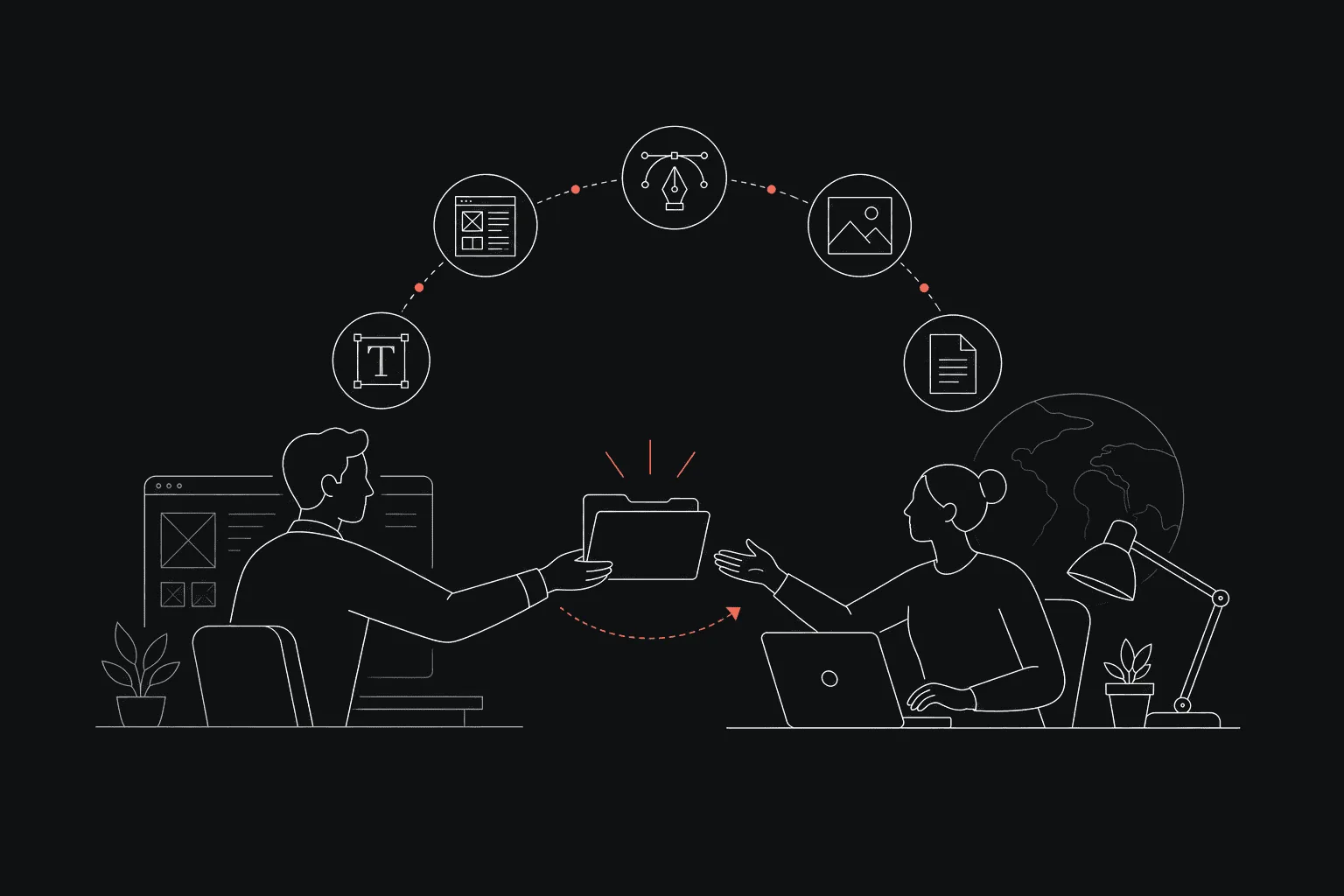
Graphic design outsource decisions make sense when internal bandwidth is gone, brand consistency is slipping, or a project requires specialist skills you don't have in-house. Hand off work that is recurring, high-stakes, or outside your team's core competency, and follow a structured handoff process so quality and timelines hold.
The decision is not purely about cost. It's about matching the right work to the right resource at the right moment. Get that match wrong and you either pay for capacity you don't need or burn internal time on work that was never yours to do. This guide gives you a practical framework for making that call.
Which Graphic Design Work Should You Outsource?
Not all design work belongs outside your organization. The projects worth outsourcing share a few common traits: they require a level of craft or strategic thinking your team doesn't have, they recur often enough to justify a standing relationship, or they carry enough brand risk that a mistake is costly.
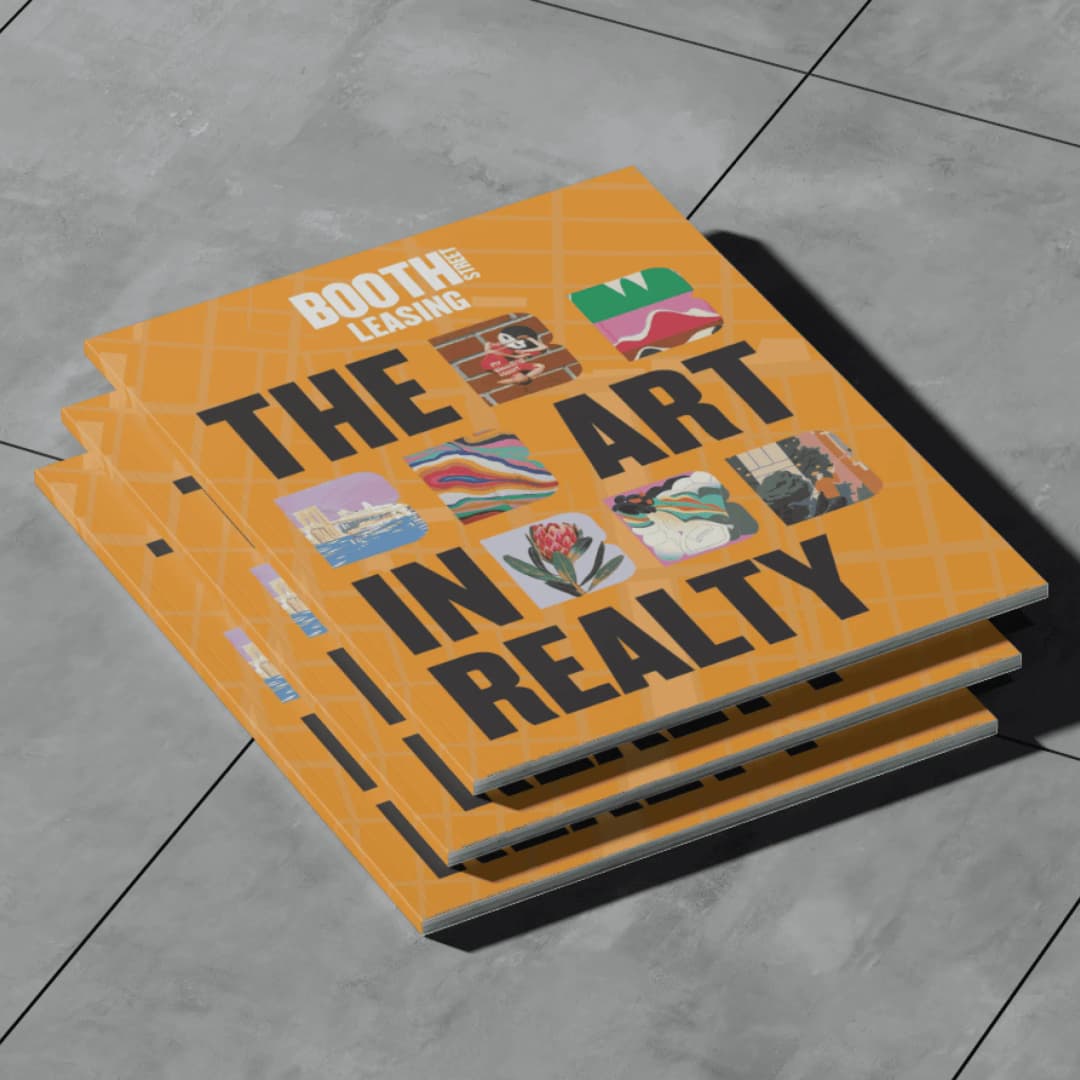
Here are the categories that consistently belong outside your walls:
Brand-level work. Logo design, visual identity systems, brand guidelines, and packaging require strategic thinking alongside technical execution. These projects shape how your entire business is perceived. They need a senior creative who can hold both the strategy and the craft at once.
Launch assets. New product launches, campaign creative, and go-to-market materials all arrive with hard deadlines and high visibility. Outsourcing these protects your internal team from a crunch that will compromise quality.
Recurring production at volume. Social media graphics, email templates, ad creative, and presentation decks are necessary but time-consuming. If your team is producing these week after week, that's time not spent on work that actually moves the business forward.
Specialist formats. Print collateral, trade show materials, packaging dielines, and motion graphics each require format-specific expertise. Asking a generalist to figure them out on the fly is a recipe for expensive revisions.
Website and digital design. UI design, landing pages, and Shopify storefronts sit at the intersection of design and technical build. The Graphic Design + Creative work a full-service studio handles typically spans all of these, from brand identity through to digital execution.
A useful test: if the work would take your team twice as long as it would take a specialist, and the output will be visible to customers, outsource it.
How Do You Know When It’s Time to Outsource?
The right moment to outsource is usually earlier than it feels. Most teams wait until a deadline is already slipping or a brand asset looks visibly off. By then, you're making decisions under pressure, and pressure is where quality breaks down.
Use this checklist to recognize the signals before they become problems:
- Your team is producing design work instead of their core job. When a marketer is spending half their week in Canva, something is misaligned. That time has a cost.
- Brand consistency is slipping. If different people are producing assets and the visual language is drifting, a one-off fix won't hold. You need a system, and building that system is outsourced work.
- A high-stakes project is approaching. A rebrand, a product launch, a new market entry. These are not the moments to stretch a thin team further.
- You're about to scale a channel. Committing to paid social, email, or content marketing means committing to a volume of creative your current setup may not sustain.
- Revision cycles are long and frustrating. When feedback rounds multiply and the output still doesn't feel right, the issue is usually a mismatch between the brief and the skill set producing the work.
- You've outgrown your current vendor. A freelancer who handled your early-stage needs may not have the range for where you're going now.
Agency, Freelancer, or Marketplace: Which Model Fits Your Project?
The model you choose shapes the outcome as much as the brief does. Each option carries a different risk profile. The right fit depends on what you're building, how complex it is, and how much brand risk is attached to the work.
Freelancers work best for contained, well-defined projects where you already have brand guidelines in place. A single skilled designer can execute a batch of social assets or refresh a set of templates efficiently. The trade-off is coordination: you're managing the relationship, the brief, the feedback, and the timeline yourself. If the scope shifts or the project grows, a solo freelancer may not have the range to follow it.
Marketplaces offer speed and price competition. You can post a project and receive concepts quickly. That speed comes at a cost to consistency. The designer who wins your logo project is rarely the same person who handles your packaging six months later. Without continuity, brand coherence is hard to maintain. Marketplaces suit low-stakes, one-off tasks where turnaround matters more than strategic alignment.
Full-service agencies carry more process upfront, but that process is the point. A senior-led studio brings strategy and execution together, maintains consistency across every asset, and handles work that spans multiple disciplines at once. If your project involves brand identity, a website, and campaign creative, one agency holding all three is faster and more cohesive than three separate vendors who have never spoken to each other.
The deeper question is how much brand risk the project carries. For work that customers will judge your company by, the coordination overhead of a freelancer or marketplace is a liability, not a savings. For a full comparison of how these models stack up over time, the Agency vs. In-House Creative Team guide covers the structural trade-offs in detail.
Match the model to the stakes. Low stakes, clear scope, existing guidelines: a freelancer can handle it. High stakes, complex scope, brand-level work: an agency is the right fit.
How to Hand Off a Graphic Design Project in 5 Steps
A clean handoff is what separates a smooth project from a painful one. Most outsourcing problems, missed deadlines, off-brand output, endless revisions, trace back to a handoff that skipped a step. Here is the process in order.
-
Write a specific brief before you contact anyone. The brief is not a mood board or a vague direction. It names the deliverable, the audience, the objective, the format, the dimensions, and the deadline. It states what success looks like. If you can't write the brief, you're not ready to outsource yet. A clear brief is also the single best protection against scope creep. For a detailed walkthrough of what to include, How to Brief a Designer (So You Actually Get What You Want) covers every element.
-
Scope and price the project in writing before work starts. Verbal agreements create disputes. A written scope names every deliverable, the number of revision rounds included, the file formats on delivery, and the payment terms. Review it carefully. If something is missing, add it before kickoff, not after.
-
Share your brand assets upfront. Hand over your logo files, brand guidelines, color codes, typography files, and any existing templates at the start of the project, not partway through. If you don't have formal brand guidelines, say so. A good partner will flag what's missing and work with what you have, but they need to know the full picture from day one.
-
Consolidate feedback before sending it. Fragmented feedback from multiple stakeholders, delivered at different times, is one of the most common causes of revision bloat. Assign one person to collect all internal input, resolve any conflicts, and send a single consolidated response per round. This keeps revision cycles short and the relationship clean.
-
Agree on file formats and ownership before final delivery. Before you sign off on the last round, confirm you're receiving editable source files (not just PDFs or flat exports), that you understand what software opens them, and that the contract confirms you own the work. Final delivery is not the moment to discover you only have a JPEG.
Follow these steps in order and the project has a structure to hold it. Skip one and you'll feel it.
What Should Stay In-House?
Outsourcing everything is as much a mistake as outsourcing nothing. Some design work is faster, cheaper, and strategically smarter to keep internal. Knowing the difference prevents over-reliance on outside partners and protects your team's ability to move quickly on routine tasks.
Keep these categories inside your organization:
Day-to-day production using established templates. Once a brand identity and template system exist, your team can produce social posts, internal presentations, and email banners without outside help. That's exactly what templates are for. If every minor asset requires an external vendor, your brand system isn't working hard enough.
Internal communications. Slide decks for all-hands meetings, internal reports, and team-facing documents don't need the same craft level as customer-facing work. A well-built template handles these without burning outside budget.
Quick-turn requests with tight deadlines. When something needs to go out in two hours, an outside partner rarely has the context or availability to help. Keep a small internal toolkit: a few well-designed templates and a style guide your team actually uses, for moments that can't wait.
Brand guardianship. Even when you outsource execution, someone inside your organization needs to own the brand. That means reviewing outside work against your guidelines, catching drift before it compounds, and making the call on what's on-brand and what isn't. This is not a task you can hand off. It requires institutional knowledge only your team has.
Experimental or iterative content. A/B testing ad copy variations, trying a new format for a week, iterating quickly on organic social: these move too fast for a formal outsourcing relationship. Keep the experimentation internal. Outsource the work once you know what you're scaling.
When Does a Full-Service Agency Make More Sense Than a Freelancer?
A freelancer can do excellent work, but the real question is whether one person has the range your project actually requires and whether you have the bandwidth to manage the relationship yourself. A full-service agency makes more sense when the project crosses disciplines. If you need a brand identity that also informs a website, packaging, and an email program, a freelancer can handle one of those well. Coordinating four separate specialists, each working from a different brief, introduces inconsistency and communication overhead that compounds over time. One studio holding all four keeps the visual language cohesive from the start.

Fixed-fee, scoped projects are another strong fit for a full-service studio. When the scope is defined in writing before kickoff, you know exactly what you're getting and what it costs. No hourly billing surprises, no scope ambiguity. For complex projects where the brief evolves, that structure protects both sides.
The risk profile also differs. A senior-led studio has internal resources to absorb unexpected scope shifts or capacity crunches without passing the disruption to the client.
Splash Creative is a full-service branding and design agency that handles strategy, visual identity, web design, graphic design, and email marketing under one roof. Clients bring a brief and the studio handles everything from logo and brand guidelines to Shopify builds and Klaviyo email campaigns. We agree on the fee and commercial structure in the proposal. Defined projects can be scoped as a fixed fee. Ongoing arrangements reflect the capacity and support agreed. For brand-level work that spans multiple disciplines, that model removes the coordination problem entirely.
Splash Creative scopes each engagement around the business need, complexity, and responsibilities involved. The proposal sets out the work, timing, and fee. For broader guidance, see our pricing page or talk with the team about your brief. If you're weighing whether one agency or multiple specialists is the right structure for your work, One Agency for Everything Creative makes the case in detail.
The short answer: when the work is brand-level, multi-discipline, or high-stakes, a full-service agency removes the coordination risk a freelancer can't.
FAQs
How much does it cost to outsource graphic design?
Cost depends entirely on the scope and the model. A freelancer handling a contained project will cost less upfront but requires you to manage the relationship and consolidate work across vendors if the scope grows. A full-service agency charges more per project but covers strategy, execution, and consistency in one engagement. Splash Creative scopes each engagement around the business need, complexity, and responsibilities involved. The proposal sets out the work, timing, and fee. For broader guidance, see our pricing page or talk with the team about your brief.
What should a graphic design brief include?
A brief should name the deliverable, the target audience, the objective, the format and dimensions, the deadline, and what success looks like. It should also include any brand constraints: existing guidelines, colors, typography, and tone. The more specific the brief, the fewer revision rounds you'll need. If you can't write a clear brief yet, that's a signal to slow down before you engage any outside partner.
How do you maintain brand consistency when outsourcing design?
Consistency starts with a documented brand system: logo files, color codes, typography, and usage guidelines shared at the start of every project. One person inside your organization should own brand review and approve all outside work before it publishes. When you work with a single agency across multiple projects, consistency is easier to maintain because the same team holds the context from project to project.
Is it better to outsource to one agency or multiple freelancers?
For brand-level or multi-discipline work, one agency is almost always the better choice. Multiple freelancers working independently introduce visual inconsistency and require you to act as the creative director coordinating between them. That coordination has a real cost in time and quality. A single agency holds the brief, the brand, and the execution together. Multiple freelancers make sense only when each project is genuinely standalone and brand risk is low.
How long does a typical outsourced design project take?
Timeline depends on scope, complexity, and how quickly feedback moves on your side. A focused identity project typically takes several weeks. A brand plus website engagement runs longer, often two to three months. The cleaner your brief and the faster your consolidated feedback, the shorter the cycle. Revision rounds are the most common source of delays, which is why scoping the number of rounds in writing before kickoff matters.
Conclusion
Outsourcing graphic design well comes down to three decisions: knowing which work to hand off, recognizing when the moment is right, and choosing the model that matches the project's complexity and brand risk. Recurring production, brand-level work, and multi-discipline projects belong outside your walls. Day-to-day tasks built on solid templates, and the brand guardianship role itself, stay internal.
Before you approach any outside partner, write the brief first. If you can define the deliverable, the audience, the format, and what success looks like, you're ready. Then match the model to the stakes: a freelancer for contained, low-risk work with existing guidelines in place, and a full-service agency when the project crosses disciplines or carries real brand risk. That match is what determines whether the engagement runs smoothly or costs you more than it saves.