- Why B2B SaaS Websites Are Different from Other Web Projects
- What a SaaS Website Design Agency Actually Delivers
- The Piecemeal Problem in SaaS Web Projects
- What to Look for When Evaluating a SaaS Website Design Agency
- Brand Identity and Web Design: Why They Can't Be Separated
- The Role of Conversion Optimization in SaaS Web Design
- When a Full-Service Studio Makes More Sense Than a Specialist Agency
- Common Mistakes B2B SaaS Founders Make When Hiring for Web Design
- FAQs
- Build the Site Your Product Deserves
A SaaS website design agency does something most general web studios don't: it treats your site as a sales tool first and a design project second. For B2B software founders, that distinction matters more than almost anything else when choosing who builds your next site.
If your product sells to procurement teams, finance leads, or IT directors, your website is often the first serious evaluation your prospect runs. They're not browsing. They're deciding. A site that looks polished but fails to communicate value, differentiate from competitors, or guide a visitor toward a demo request isn't just a missed opportunity — it's actively costing you pipeline.
This article covers what B2B SaaS websites actually need, how a specialized design agency approaches them differently, what to look for when evaluating partners, and where a full-service studio fits into the picture.
Why B2B SaaS Websites Are Different from Other Web Projects
Most web design work starts with aesthetics. SaaS website work has to start with the buyer journey.
A B2B software buyer typically touches your site multiple times before converting. They read the homepage, check the pricing page, dig into a feature page, read a case study, then come back a week later after looping in their team. Every one of those pages needs to carry a consistent message, answer the right questions at the right stage, and move the visitor forward without friction.
That requires more than good design. It requires understanding how software is bought, how technical and non-technical stakeholders evaluate differently, and how to write copy that speaks to both without sounding like it was written by committee.
A SaaS website design agency brings that context from day one. A generalist studio has to learn it on your dime.
The Conversion Architecture Problem
Most SaaS sites underperform not because they look bad but because their conversion architecture is broken. The homepage hero tries to say everything and ends up communicating nothing. The pricing page buries the plan that fits most buyers. The demo CTA appears once at the top and vanishes for the next eight scrolls.
Good SaaS web design is really information architecture with a visual layer on top. The agency you choose should be able to articulate why each section exists, what action it's designed to produce, and how it connects to the next step in the funnel.
What a SaaS Website Design Agency Actually Delivers
Deliverables vary by agency, but a capable partner should cover at minimum:
Positioning and messaging strategy. Before any wireframe gets drawn, the agency should help you clarify what your product does, who it's for, and why it beats the alternatives. This isn't a branding exercise for its own sake — it directly determines what the homepage hero says, how the features page is structured, and which proof points get prioritized.
Information architecture and page structure. Which pages exist, how they connect, and what each one is responsible for converting. A B2B SaaS platform with ten products needs a different IA than a single-product startup. The agency should map this before designing anything.
Visual identity applied to web. If you already have brand guidelines, the agency applies them. If you don't, a full-service studio can build them first. Consistency between your brand and your site isn't optional for B2B buyers who are evaluating your credibility.
Copywriting or copy direction. Many SaaS founders write their own copy, and it shows. An agency that handles copy alongside design produces a more coherent result than one that hands you a wireframe and says "fill in the words."
Development and launch. Design files are not a website. The agency should build, test, and launch what they design — or have a clear handoff process if they work with a separate development team.
Post-launch optimization. Analytics setup, conversion tracking, and the ability to make updates after launch are often what separates a real partner from a one-time vendor.
The Piecemeal Problem in SaaS Web Projects
Here's a pattern that plays out constantly with growth-stage software companies. The founder hires a brand strategist, then a separate designer, then a developer who works from the design files, then a copywriter who rewrites the headlines after the site is already built. Each handoff introduces inconsistency. The brand strategy doesn't quite match the visual identity. The copy doesn't match the design. The developer interprets the files in ways the designer never intended.
The result is a site that looks like it was made by four different people. Because it was.
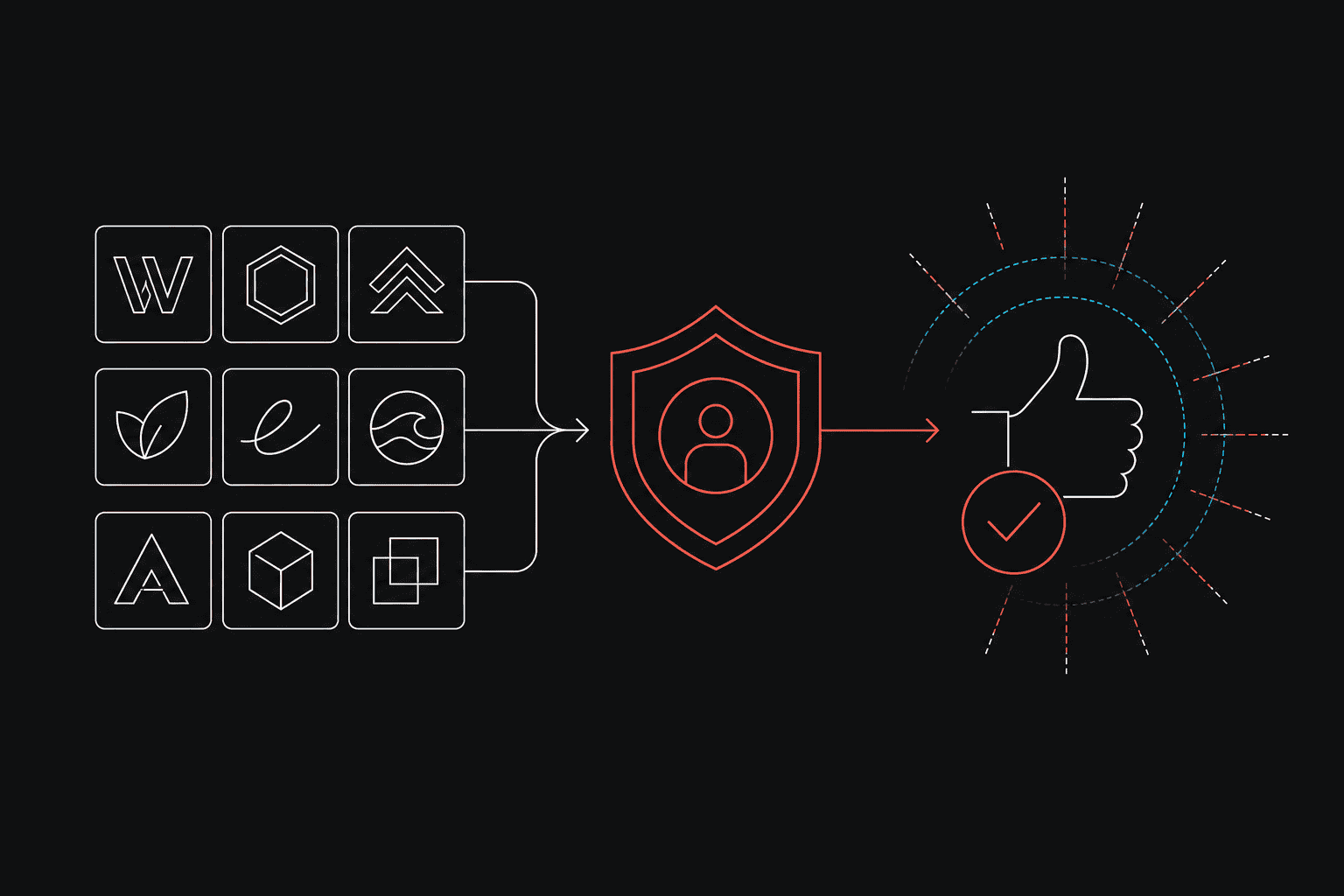
This is the same piecemeal problem that affects startups and DTC brands across every category. The fix isn't finding better freelancers — it's working with a team where strategy, design, copy, and build happen under one roof, with the same people accountable for the whole thing.
That's the structural argument for a full-service agency over a collection of specialists. Not that specialists are less talented, but that the handoffs between them are where quality degrades.
What to Look for When Evaluating a SaaS Website Design Agency
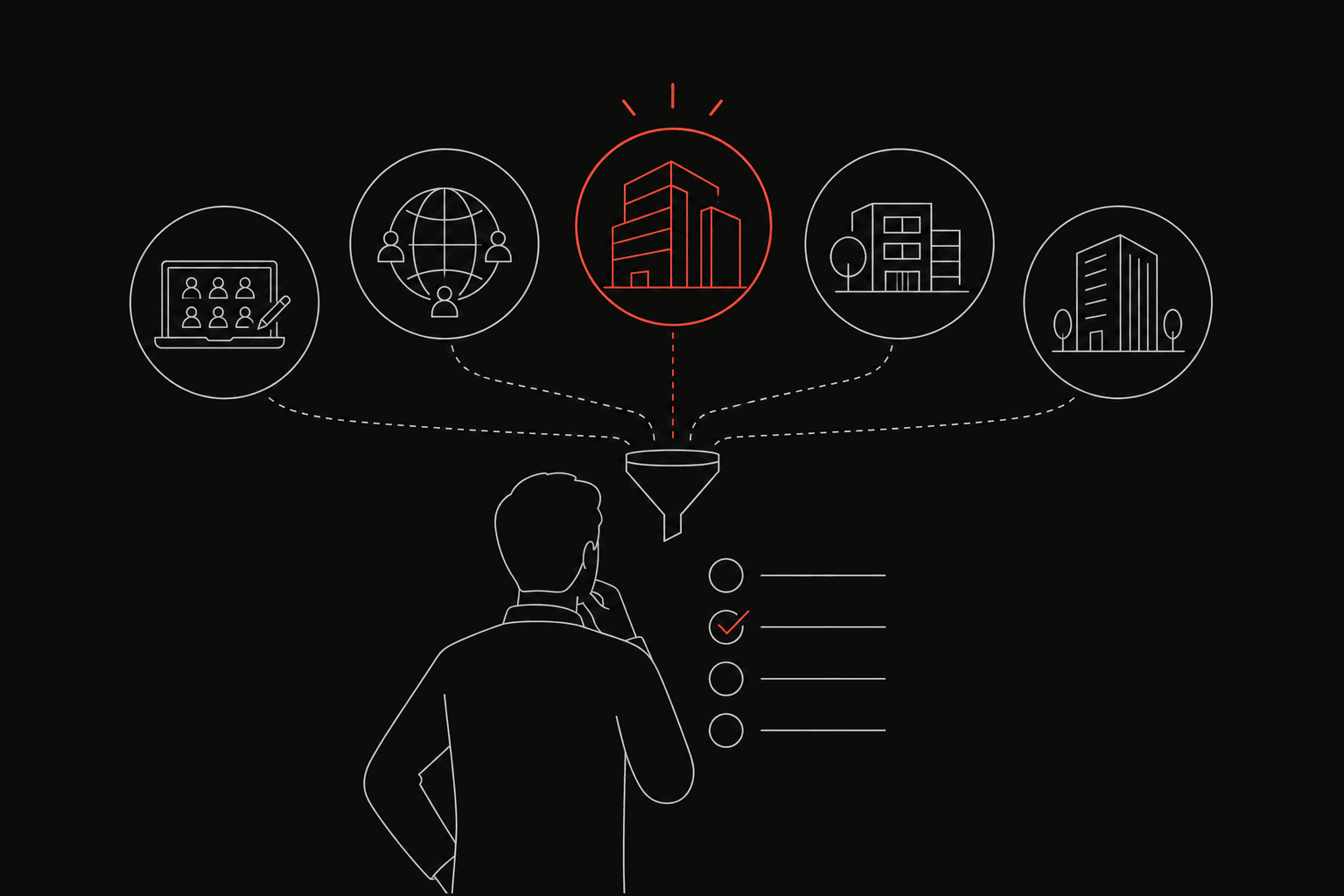
Not every agency that claims to specialize in SaaS actually does. Here's what's worth examining before you commit.
Case Studies With Measurable Outcomes
Any agency can show screenshots. The ones worth hiring can tell you what happened after launch. Did demo requests increase? Did the bounce rate on the pricing page drop? Did the sales team stop having to explain the product on every call because the site now does that work?
A portfolio that's all visuals and no outcomes is a signal about what the agency thinks its job is.
A Process That Starts With Strategy
Ask any prospective agency what happens in week one. If the answer involves Figma or wireframes, that's a red flag. Week one should involve understanding your product, your buyers, your competitors, and your current conversion data. Design comes after that foundation is in place.
Fixed-Fee Scoping
Hourly billing on a web project is a misaligned incentive — the agency gets paid more if the project takes longer. Fixed-fee engagements align the agency's interest with yours: finish the right work, on scope, on time.
This matters especially for B2B SaaS founders managing multiple priorities who can't afford a project that expands indefinitely. A scope defined in writing before kickoff gives you a clear deliverable, a clear timeline, and no billing surprises.
Technical Competence That Matches Your Stack
If you're on a custom CMS, the agency needs to know it. If you're building on a no-code platform, they need to understand its constraints. The best design in the world fails if the development doesn't execute it correctly, or if the CMS makes it impossible to update without a developer.
Brand Identity and Web Design: Why They Can’t Be Separated
A common mistake B2B software companies make is treating brand and web as sequential projects — build the brand first, then build the site. In practice, the two inform each other so heavily that separating them creates problems.
Your website is the primary expression of your brand for most B2B buyers. If the brand guidelines were developed without the web in mind, you'll spend the design phase making compromises. Colors that look good in a PDF don't always translate to screen. Typography that works in print can fail at mobile sizes. Illustration styles that look great as static assets become performance liabilities when loaded on a landing page.
A studio that handles both brand and web simultaneously avoids those compromises. The visual identity is designed with its primary application in mind from the start.
This is one reason why founders who are post-revenue and approaching a fundraise or product launch often benefit from a partner that can handle the full scope — rather than separate brand and web vendors working in sequence and hoping the pieces fit together.
The Role of Conversion Optimization in SaaS Web Design
Design without conversion thinking is decoration. For B2B SaaS specifically, conversion optimization means understanding where buyers drop off, what questions they have at each stage, and how to reduce friction on the path to a demo or trial.
A few things that matter more on SaaS sites than on most other web projects:
Social proof placement. Logos, case studies, and testimonials need to appear near the decision points — not just at the bottom of the homepage. A buyer reading your pricing page needs reassurance there, not three scrolls away.
Pricing page clarity. B2B SaaS pricing pages are notoriously confusing. The best ones make it immediately obvious which plan fits which buyer and what the next step is. The worst ones require a sales call just to understand the options.
Mobile performance. B2B buyers research on mobile more than most SaaS founders assume. A site that loads slowly or breaks on a phone loses evaluations that never show up in your CRM.
CTA hierarchy. Every page should have one primary action and, optionally, a secondary one. When every button is equally prominent, none of them work.
When a Full-Service Studio Makes More Sense Than a Specialist Agency
A specialist SaaS web agency is a strong choice when your brand is already solid and you need execution only. If your positioning is clear, your visual identity is established, and you just need someone to design and build a better site, a web-focused shop can do that well.
But if your brand identity, your website, and your messaging all need work at the same time, a full-service studio is more efficient. One team, one scope, one set of decisions made together rather than in sequence.
Splash Creative is an Englewood, NJ-based branding and design studio that handles brand strategy, visual identity, and web design under one roof. Projects are fixed-fee and scoped in writing before kickoff. For B2B software founders whose brand and site need to catch up to where the product already is, that model eliminates the handoff problems that come from splitting the work across multiple vendors.
The studio has worked across healthcare, fintech, and B2B services, with published case studies including SwiftHealth (healthcare brand and website) and Coverwhale (full rebrand from strategy to launch). The same team handles strategy through build — no contractor pool, no fragmented accountability.
Common Mistakes B2B SaaS Founders Make When Hiring for Web Design
Optimizing for portfolio aesthetics over process. The most visually impressive work doesn't always come from the agency with the strongest process. Ask how they work, not just what they've made.
Skipping the strategy phase to save time. Founders under pressure to launch often want to jump straight to design. The strategy phase is what makes the design correct. Skipping it means revising the design later — which costs more time than the strategy phase would have.
Treating the website as a one-time project. A SaaS website is never finished. It needs to evolve as the product evolves, as the market shifts, and as conversion data comes in. An agency relationship that includes post-launch support is more valuable than one that ends at launch.
Underestimating copy. B2B SaaS sites live or die on their messaging. If the agency you're evaluating has no opinion on your copy, that's a gap worth thinking hard about.
Ignoring technical performance. A beautiful site that loads in six seconds on mobile is losing you evaluations. Performance is a design requirement, not a development afterthought.
FAQs
What does a SaaS website design agency do differently from a general web agency?
A SaaS-focused agency understands the B2B buyer journey, conversion architecture, and how software products need to be positioned for both technical and non-technical evaluators. A general web agency builds sites; a SaaS agency builds sites designed to generate demos, trials, and pipeline.
How much does it cost to work with a SaaS website design agency?
Pricing varies widely by scope and agency model. A full brand strategy plus identity plus website engagement at a full-service studio like Splash Creative runs from about $25,000 up to $75,000, with scope defined in writing before kickoff. Specialist web-only agencies may price differently depending on what they include.
Should I build my brand identity before or at the same time as my website?
For most B2B SaaS companies, doing both simultaneously produces better results. The website is the primary expression of the brand, and designing both together avoids the compromises that come from applying brand guidelines to a medium they weren't designed for.
What should I ask a SaaS website design agency before hiring them?
Ask what happens in week one of the project, how they handle copy, what post-launch support looks like, and how they price their work. Fixed-fee scoping with a written scope before kickoff is a strong signal of a well-run process.
How long does a SaaS website redesign typically take?
A full redesign covering strategy, design, and development typically runs eight to sixteen weeks depending on scope, page count, and how quickly the client can provide feedback and approvals. Rushing the strategy phase to compress the timeline usually extends the design phase instead.
What makes a SaaS pricing page convert well?
Clarity is the primary factor. Buyers should be able to identify which plan fits their situation within a few seconds. Strong pricing pages name the buyer type for each tier, highlight the key differentiating features, and make the next step obvious. Social proof near the pricing page also reduces hesitation at the decision point.
Is a fixed-fee engagement better than hourly billing for a web project?
For most B2B SaaS founders, yes. Fixed-fee scoping aligns the agency's incentives with yours and eliminates billing uncertainty. It also forces a more rigorous scoping conversation upfront, which reduces scope creep and misaligned expectations later in the project.
Build the Site Your Product Deserves
A SaaS website design agency earns its place in the process when it brings strategic thinking alongside design execution. For B2B software companies, the site isn't a marketing asset — it's a sales tool that works around the clock, and it needs to be built with that responsibility in mind.
If your site isn't generating the pipeline your product should be generating, the problem is rarely the product. It's usually the story the site tells and how it tells it. Getting that right is the work.
Learn more at splashcreative.com.