Boutique Creative Agency vs. Large Studio: Which Is Better for Your Brand in 2026?

Choosing the right creative partner is one of the most consequential decisions a growing business makes. Get it right and your brand gains momentum. Get it wrong and you spend months untangling inconsistent work from three different vendors while your competitors pull ahead.

The question most founders and marketing leads eventually face: boutique creative agency or large studio? Both have real advantages. Both have real limitations. And in 2026, the gap between them looks different than it did even a few years ago.

Here is how to think through the decision clearly.


What “Boutique” and “Large Studio” Actually Mean

These terms get used loosely, so it helps to define them before comparing.

A boutique creative agency runs a tight, senior team handling branding, design, web, copy, and sometimes development under one roof. Work stays with a small group of people who know your project deeply. Access to decision-makers is direct. Engagements are customized, not templated.

A large studio operates at scale. Think 50 to 500 people, dedicated department heads, structured account management layers, and project timelines built around internal review processes. The work can be excellent, but you are one of many clients moving through a system.

Neither model is inherently better. The right fit depends on where your brand is, what you need, and how you work.


The Case for a Large Studio

Large agencies built their reputations for a reason. If your brand needs a global rollout across 14 markets or a system that has to scale across hundreds of touchpoints simultaneously, a large studio has the infrastructure for it. For publicly traded companies or enterprise procurement teams, a well-known agency name on the brief can also carry internal weight.

The tradeoffs are real, though:

  • Senior talent pitches, junior talent executes. The creative director who sold you the engagement often hands the project off after kickoff.
  • Minimum budgets are high. Enterprise-focused agencies frequently start at $50,000 or more per project, which prices out most growth-stage companies.
  • You move at their pace. Large studios have internal processes that protect quality but add time. A brand refresh a boutique team completes in six weeks can take five months at a large agency.
  • Specialization can narrow scope. Some large studios focus on one industry or one type of work, which means you still need other vendors to fill the gaps.

If you are a Series A startup or a mid-market business, most large studios are not built for you. Their systems are optimized for clients with dedicated brand teams, legal review cycles, and enterprise budgets.


The Case for a Boutique Creative Agency

Boutique agencies occupy a different position. They are built for businesses that need real creative strategy combined with full execution, without the overhead of an enterprise engagement.

The advantages are structural.

Direct Access to Senior Creative Work

At a boutique agency, the people doing the work are the people who understand your brand. There is no account manager translating your feedback to a junior designer who has never spoken to you. Strategy and execution stay connected throughout the project.

End-to-End Ownership

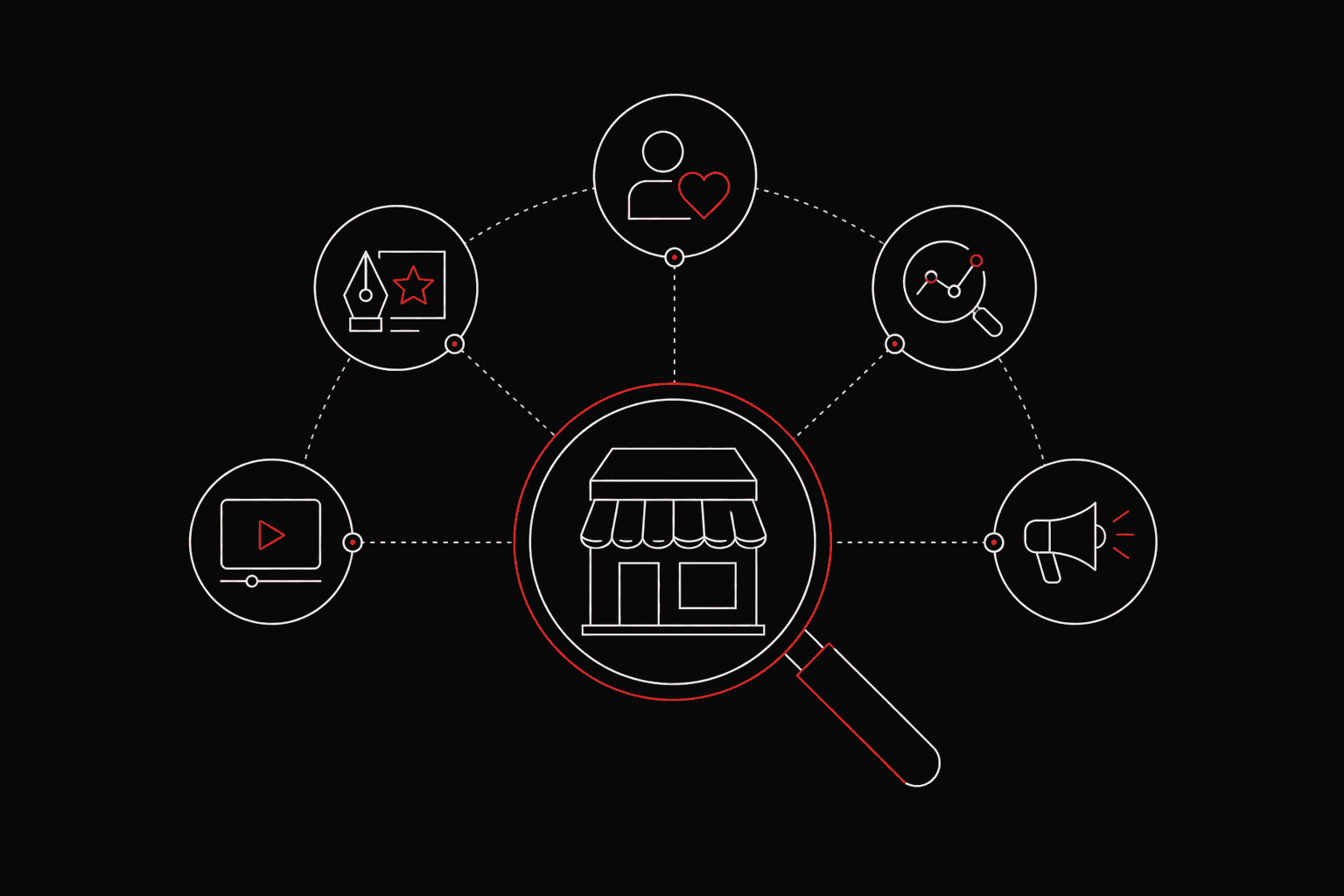
The best boutique agencies handle every creative touchpoint: brand identity, website design and development, copywriting, video production, SEO, and app design. One team builds your visual system, writes your site copy, and launches your product. No handoff chaos. No brand inconsistency from vendor to vendor.

Speed Without Sacrificing Strategy

Boutique teams move faster because fewer people need to approve each decision. For a startup building toward a launch date or a growth-stage company entering a new market, that speed is a real competitive advantage.

Accountability Is Personal

When something needs to change, you call one team. Not a project manager who escalates to a department head who routes the request to the right specialist. One team, one relationship, one accountable partner.


Where Boutique Agencies Fall Short

Boutique agencies are not the right fit for every situation.

If you need a 200-person campaign team executing across paid media, PR, influencer, and broadcast simultaneously, a boutique shop will not have the headcount. If your project requires deep specialization in a niche the agency has never touched, the learning curve adds real time and risk.

Boutique agencies also vary significantly in quality. Some are genuinely full-service with senior talent across every discipline. Others are one or two designers calling themselves an agency. Vetting the team and reviewing actual portfolio work is non-negotiable.


The Middle Ground: Full-Service Boutique Agencies

In 2026, the most relevant category for most growth-stage companies is the full-service boutique: a mid-sized agency with senior talent across design, development, branding, copy, and video, operating at a scale that allows genuine customization without enterprise overhead.

This model fills the gap that neither large studios nor subscription design services can cover. Flat-rate design platforms offer speed but no strategy and no development. Enterprise agencies offer strategy but not accessibility. A full-service boutique delivers both.

The retainer model has also matured. Rather than choosing between a single project and a full agency-of-record contract, many boutique agencies now offer ongoing creative partnerships. You get continuous support across all creative needs without committing to a long-term enterprise arrangement.


How to Evaluate Any Agency, Boutique or Large

Regardless of size, the same criteria apply.

Portfolio range. Does the agency have experience across industries, or are they locked into one sector? A team that has built brands in healthcare, fintech, insurance, and e-commerce brings pattern recognition that a specialist cannot.

Who actually does the work. Ask directly. Meet the team members assigned to your project, not just the founders or business development leads.

Process transparency. Can they explain how they move from strategy to execution? Vague answers here usually mean vague work later.

Outcome orientation. Does the portfolio show business results, or just visual awards? Brand work should drive conversions, not just look good in a case study.

Communication structure. How often do you meet? Who is your primary contact? What does the revision process look like? These details matter more than most businesses realize before a project starts.


Making the Call for Your Brand

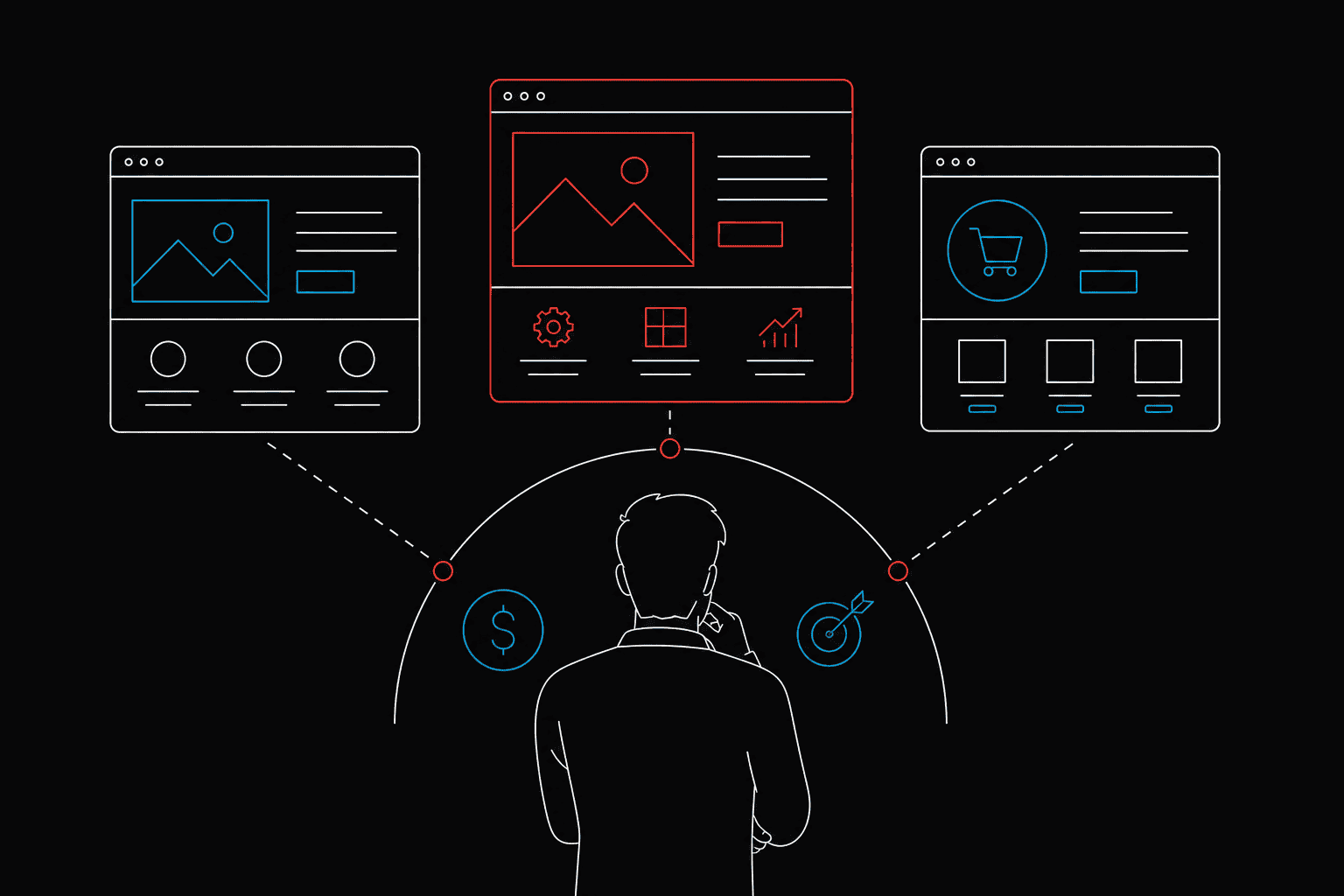
Here is a simple framework for the decision:

Situation Better Fit
Series A startup, no in-house creative team Full-service boutique agency
Growth-stage company entering a new market Full-service boutique agency
Enterprise brand, global rollout, 200+ touchpoints Large studio
Small business needing ongoing design and web support Boutique with retainer model
Need only graphics, no strategy or development Subscription design service
Healthcare, fintech, or e-commerce brand launch Full-service boutique with sector experience

Most businesses reading this fall into the boutique column. The companies that benefit most from large studios are the ones that have already built their brand and need scale, not the ones still building it.


What a Full-Service Boutique Looks Like in Practice

Splash Creative is a New York City-based agency working across brand identity, website design and development, mobile app design, copywriting, video production, SEO, and e-commerce builds including Shopify. The portfolio spans healthcare, insurance, fintech, biotech, food and beverage, real estate, and consumer brands.

Projects like the CoverWhale rebrand, the SwiftHealth healthcare brand and website, and the Metabolik GLP-1 e-commerce build on Shopify show what full-service boutique work looks like in practice: one team, every creative discipline, concept to launch. For businesses that need continuous support rather than a single engagement, the retainer model keeps that same team working across all creative needs on an ongoing basis.


Ready to Build Something Great?

Agency size matters less than fit. What you need is a team that understands your business, owns the full creative scope, and delivers work built to perform.

Ready to build something great? Let's talk.


FAQs

What is the main difference between a boutique creative agency and a large studio?
A boutique agency runs a smaller, senior team with direct access and customized engagements. A large studio operates at scale with more headcount, more internal layers, and higher minimum budgets. Boutique agencies typically move faster and offer more personal accountability. Large studios are better suited for enterprise-scale projects requiring massive simultaneous execution.

Is a boutique creative agency right for a startup?
In most cases, yes. Startups and growth-stage companies typically need full creative support across branding, web, and marketing without the overhead or minimum budgets of enterprise agencies. A full-service boutique delivers strategy and execution through one team, which is exactly what a company without an in-house creative department needs.

What does "full-service" mean for a creative agency?
A full-service creative agency handles every creative discipline in-house: brand identity, graphic design, website design and development, copywriting, video production, SEO, and app development. The key benefit is that one team owns the entire project, which produces faster timelines and tighter brand consistency compared to coordinating multiple vendors.

How do I know if an agency is actually full-service or just calling itself that?
Review the portfolio carefully. Look for projects that span multiple disciplines, such as a brand identity combined with a website build and copywriting. Ask who specifically handles each type of work and whether those people are on staff or freelancers. A genuinely full-service agency can name the team members behind each discipline.

What is a creative agency retainer and when does it make sense?
A retainer is an ongoing creative partnership where the agency provides continuous support across all your creative needs for a set monthly engagement. It makes sense when your business has recurring design, web, and marketing needs but does not want to hire a full in-house team. It sits between a one-time project and a full agency-of-record contract.

How do boutique agencies compare to subscription design services?
Subscription design services offer fast turnaround on graphics but no strategy, no web development, and no brand thinking. A boutique agency provides all of that. If you need a logo refreshed quickly, a subscription service works. If you are building or rebuilding a brand, you need a team that can think strategically and execute across every touchpoint.

What should I look for in a creative agency in 2026?
Look for proven work across your industry or adjacent ones, a clear process from strategy to execution, senior talent doing the actual work, and a portfolio that shows business outcomes rather than just visual aesthetics. The agency should handle brand, web, copy, and marketing without requiring you to coordinate multiple vendors on your own.

Let's talk about your project

Whether you're ready to start or just exploring possibilities, we're here to help. Fill out the form below and we'll get back to you ASAP.

How can we help you?

"*" indicates required fields

What services can we help you with?*
Prefer to jump on a call?
bg bg

Level up your digital game.

Get expert insights, design trends, and growth tips delivered to your inbox - so you’re always one step ahead.