Table of Contents
- What a Full-Service Creative Agency Actually Does
- The Problem With Piecing It Together
- Full-Service Agency vs. Freelancers vs. Subscription Services
- What to Look For When Choosing One
- Signs Your Business Is Ready for a Full-Service Partner
- FAQs
- Build It Right From the Start
Most businesses don't fail because of a bad product. They fail because no one knows who they are.
Your brand is the first thing a potential client sees. Your website is the first real conversation you have with them. Your marketing is what makes someone choose you over the competitor they found right above you in search. When those pieces don't work together, growth stalls — regardless of how good your product actually is.
That's the problem a full-service creative agency is built to solve. Here's what one actually does, how it stacks up against freelancers and subscription design services, and how to know when your business is ready to make the move.
What a Full-Service Creative Agency Actually Does
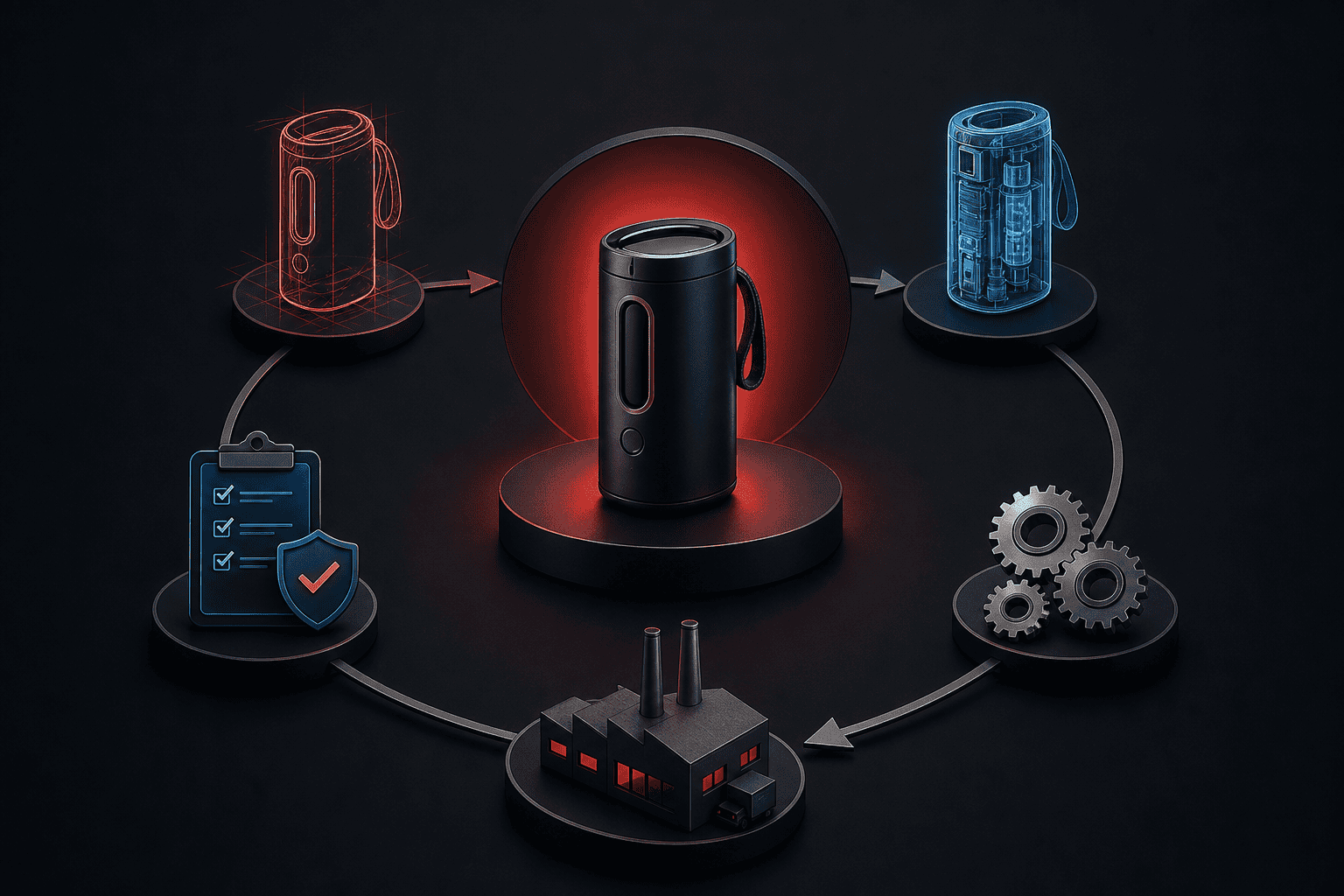
A full-service creative agency handles every part of your brand's creative output — strategy, identity, design, development, copy, and marketing — under one roof. One team. One vision. No gaps.
That typically covers:
- Brand identity and strategy — naming, positioning, messaging, visual identity
- Graphic design — logos, print materials, social assets, pitch decks
- Web design and development — websites that look sharp and actually convert
- Mobile app design and development — product design from concept to launch
- Copywriting — web pages, marketing materials, brand voice
- Video production — brand films, product demos, content creation
- SEO and creative marketing — getting your brand found and driving real traffic
The key word is full-service. Not just design. Not just development. Not just copy. All of it — aligned and executed by the same team, informed by the same strategy.
The Problem With Piecing It Together
A lot of startups and growing businesses try to build their brand by hiring separately — a freelance designer here, a developer there, a copywriter on Upwork, maybe an SEO consultant on the side. On paper, it looks efficient. In practice, it creates chaos.
Every vendor runs a different process, operates on a different timeline, and has their own interpretation of what "on-brand" means. The designer hands off a logo the developer has never seen. The copywriter writes for a brand voice that was never clearly defined. What you end up with is a brand that looks and sounds like it was built by committee — because it was. And inconsistency erodes trust fast.
There's also the management overhead to consider. Every new vendor is another relationship to maintain, another brief to write, another gap to bridge. For a founder or marketing lead already stretched thin, that adds up quickly.
A full-service agency cuts through all of that. Strategy, design, copy, and development live under one roof, working from the same brief toward the same goal. No handoff chaos. No version control nightmares. No "wait, who owns this?"
Full-Service Agency vs. Freelancers vs. Subscription Services
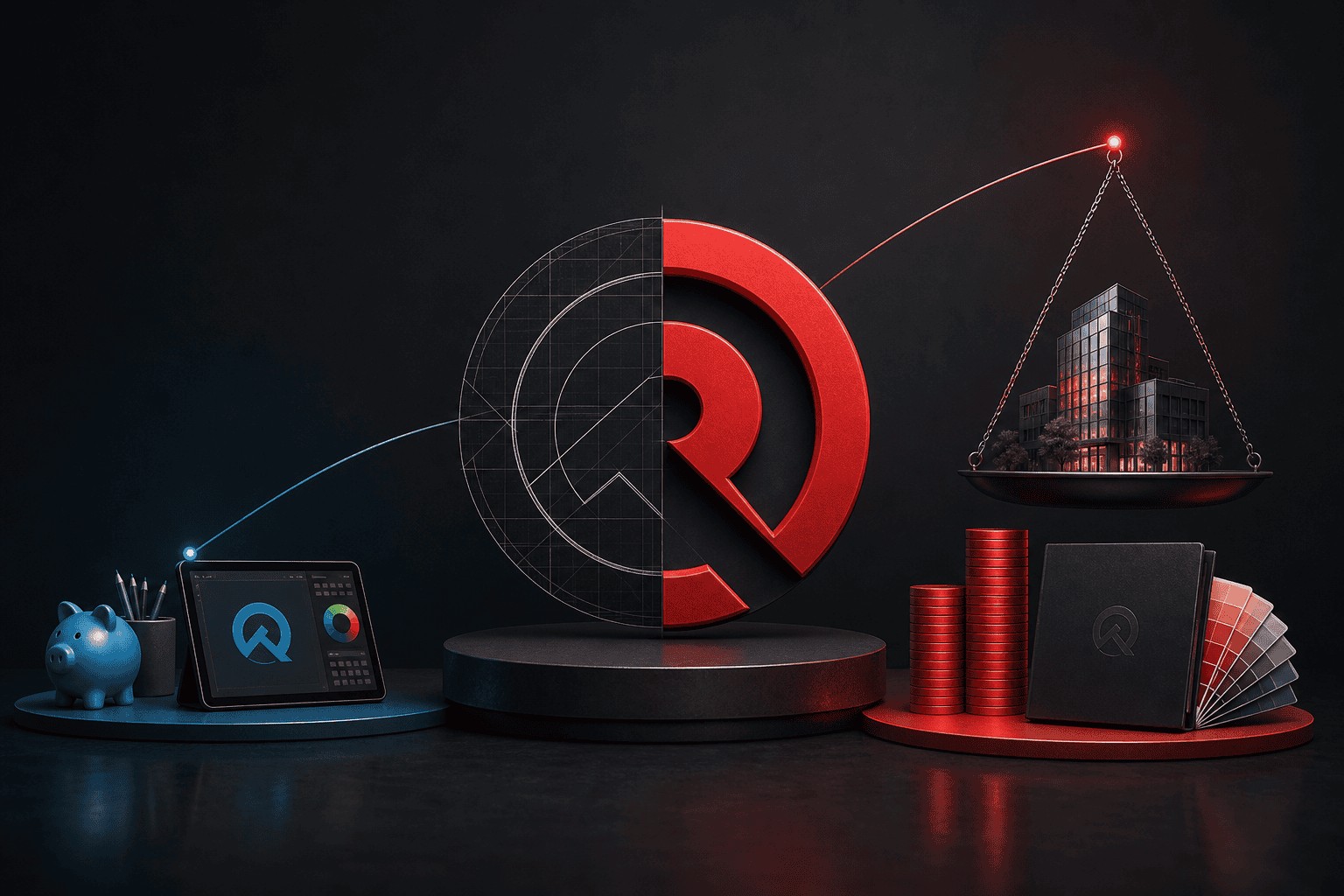
Here's how the three models actually compare:
| Full-Service Agency | Freelancers | Subscription Services | |
|---|---|---|---|
| Scope | End-to-end creative | Single discipline | Design tasks only |
| Strategy | Yes | Rarely | No |
| Brand consistency | High | Variable | Low |
| Speed | Fast (coordinated team) | Depends on individual | Fast (queue-based) |
| Accountability | Single point of contact | Fragmented | Platform-level |
| Best for | Growth-stage businesses | One-off tasks | Volume design work |
Subscription services like Design Pickle or ManyPixels are built for volume — quick social graphics, banner ads, templated assets. They're not built for strategy, brand development, or anything with real complexity.
Freelancers can be great for isolated tasks, but they're not equipped to own your brand across every touchpoint. When your logo, website, campaign, and product launch all need to feel like one cohesive thing, you need a team — not a roster.
At the top end of the market, premium agencies ($50K+ per project) bring deep resources but often price out early-stage companies and move slower than a startup can afford.
The sweet spot is a full-service studio that brings strategic depth and executional range without the bloated overhead — the kind of partner that can move at your pace without cutting corners.
What to Look For When Choosing One
Not every agency that calls itself "full-service" actually is. Here's what to look at:
Range of Services
Do they handle strategy and execution? Can they take you from brand positioning to a live website to a marketing campaign? If they're outsourcing major pieces, you're back to managing handoffs — just with an extra layer in between.
Portfolio Depth
Look for work across industries and project types. A strong portfolio shows the agency can adapt its creative thinking, not just repeat the same visual style. Range across healthcare, insurance, fintech, and consumer brands signals a team that's actually been tested.
Single Point of Contact
You should have one person who owns your project and understands the full scope — not a different account manager for every service line.
Speed Without Sacrificing Quality
Startups move fast. Your agency needs to match that pace. Ask about typical timelines and how they handle scope changes mid-project. The answer will tell you a lot.
Proof of Business Outcomes
Great creative should move real metrics — more leads, better conversion, stronger brand recognition. Ask for examples where design or strategy actually changed a business result, not just earned an award.
Signs Your Business Is Ready for a Full-Service Partner
You don't need to be a large company to benefit from working with a full-service agency. But there are clear signals it's time to stop piecing things together:
Your brand looks different everywhere. Your website, social profiles, pitch deck, and business cards don't feel like they came from the same company. That inconsistency is costing you credibility whether you notice it or not.
You're outgrowing freelancers. The work is fine, but managing five different vendors is eating time you don't have. You need one accountable team.
You're about to launch something big. A new product, a rebrand, a funding announcement, a new market. High-stakes moments demand coordinated creative execution — not a scramble.
You have a budget but no in-house creative team. You're past the bootstrapped DIY phase and need professional creative output, but you're not ready to build an internal team from scratch.
Your website isn't converting. Traffic is coming in but leads aren't. That's usually a design and messaging problem — exactly what a full-service agency is built to fix.
If two or more of those sound familiar, it's worth having a conversation.
Splash Creative is a NYC-based full-service creative studio built for exactly this stage — startups and growth-stage businesses that need a real creative partner, not just another vendor.
FAQs
What is a full-service creative agency?
A full-service creative agency handles all aspects of a brand's creative work — strategy, brand identity, graphic design, web design and development, copywriting, video production, and marketing — under one roof. The goal is consistent, coordinated output without the complexity of managing a dozen different vendors.
How is a full-service agency different from a marketing agency?
A marketing agency typically focuses on campaigns, media buying, and performance marketing. A full-service creative agency covers the creative foundation — brand, design, web, copy — along with marketing execution. Most businesses need both, but the creative layer has to come first.
When should a startup hire a full-service creative agency?
Usually when you have a marketing budget, no in-house creative team, and a real need for consistent brand output across multiple channels. That often lines up with a Series A raise, a product launch, or a rebrand.
Is a full-service agency more expensive than freelancers?
Not necessarily, once you factor in the full cost. Freelancers may have lower individual rates, but managing multiple people adds time, coordination overhead, and real risk of inconsistency. A full-service agency bundles strategy, execution, and accountability into a single engagement.
What industries do full-service creative agencies work with?
Strong agencies work across sectors. Splash Creative's portfolio spans healthcare (RexMD, Manhattan Valley Pediatrics), insurance (CoverWhale), consumer brands (Peas Love & Carrots), and professional services — the kind of range that signals genuine creative adaptability.
How long does a typical project take?
It depends on scope. A brand identity project might run four to six weeks. A full website design and development engagement typically takes eight to twelve weeks. Agencies with coordinated internal teams move faster than those that outsource work externally.
What should I prepare before reaching out?
Come with a clear sense of your goals, your timeline, and a rough budget range. You don't need a complete brief — a good agency will help you shape the scope. What matters most is knowing what you're trying to achieve and what success looks like.
Build It Right From the Start
A strong brand isn't an accident. It's the result of deliberate strategy, consistent design, and creative execution that works together across every touchpoint.
Whether you're launching something new, rebranding, or finally ready to stop managing a patchwork of freelancers — a full-service creative agency gives you the team, the process, and the accountability to do it right.
Ready to build something great? Start the conversation at splashcreative.com.