A real estate firm’s website has one primary audience: the people who matter most to the business — tenants, investors, lenders, and partners evaluating whether this is a firm worth working with. For those people, the website needs to answer a small number of questions quickly and convincingly: what does this firm own, where, at what scale, and what makes it worth paying attention to?
Agus Holdings is a family-run real estate investment and development firm focused on retail and mixed-use properties. Their previous site couldn’t answer any of those questions well. Properties were presented in a single, uninterrupted scroll with no hierarchy or context. There was no way to quickly grasp scale, geographic focus, or how the portfolio fit together as a whole. Instead of guiding exploration, the experience left visitors guessing.
Industry: Real Estate Investment & Development | Deliverables: Web Design & Development
The Challenge: A Portfolio That Couldn’t Speak for Itself
Real estate portfolio websites fail in predictable ways. Either they show too little — a homepage with vague language about “strategic investments” and no properties visible — or they show everything at once without structure, making it impossible to develop a coherent sense of the portfolio’s character, focus, or scale.
Agus Holdings had the second problem. The properties were there. The scale was real. The geographic focus was clear to anyone inside the firm. But none of that was legible to someone encountering the site cold — which is precisely the situation where the website matters most.

The Approach: Structure as Strategy
Splash Creative’s approach to the Agus Holdings site started with the insight that the portfolio itself was the story — it just needed a structure that let the right things emerge.
Portfolio Reorganization
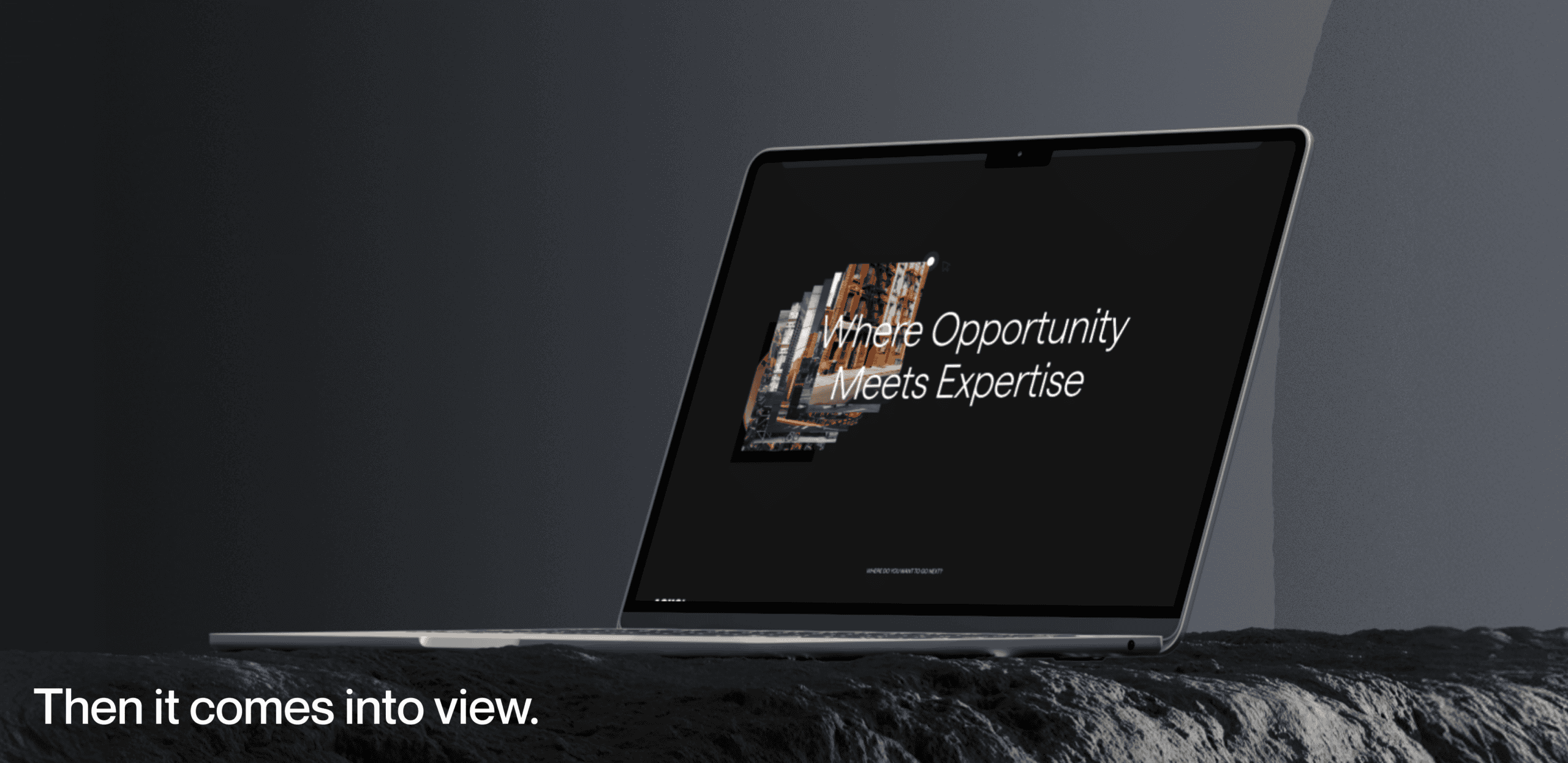
We restructured the portfolio to communicate scale, geography, and focus at a glance. Properties grouped by type and market rather than presented as an undifferentiated list. Visual hierarchy that surfaces the most significant assets first without burying smaller holdings. A presentation that allows a visitor to form a clear mental model of the portfolio in the first scroll rather than after reading everything.
Navigation Redesigned for Exploration
The original site forced a linear path through the portfolio. The redesigned navigation supports the way a serious investor or partner actually moves through a real estate firm’s holdings — by market, by asset type, by specific property. The difference is between a site that tells you what to look at and one that helps you find what you’re looking for.
Messaging and Positioning
Clear, confident messaging that communicates the firm’s focus without over-explaining it. Family-run firms in real estate often undersell the advantages of their structure — the speed of decision-making, the alignment of incentives, the long time horizon. The Agus Holdings site now communicates those advantages directly, as competitive differentiators rather than incidental facts.
What This Project Demonstrates
The Agus Holdings engagement is a clear example of information architecture as a strategic tool. The site’s content — the portfolio, the firm’s history, the team — didn’t change significantly. What changed was how it was organized, and that reorganization fundamentally changed what the site communicated.
For real estate investment and development firms, this kind of clarity work often produces more business impact than a full rebrand. The firm already has the track record and the assets. The website just needs to present them in a way that reflects the quality of what’s there.
Frequently Asked Questions
Does Splash Creative work with real estate firms?
Yes — real estate investment firms, development companies, brokerages, and real estate private equity firms are all categories we’ve worked in. Real estate web design has specific requirements: communicating scale and credibility quickly, presenting portfolio assets in a way that supports due diligence, and building trust with sophisticated counterparties who are evaluating many options. We understand those requirements and design for them specifically.
How do you organize a large real estate portfolio on a website?
By starting with how your most important audience actually evaluates a portfolio — what they’re looking for, what questions they need answered, and in what order those questions arise. The structure should mirror that decision-making process, not reflect the internal organization of the firm. Most real estate websites are organized for internal convenience rather than external clarity, and the gap costs them in every interaction with a serious counterparty.
What’s the difference between a real estate firm website and a standard corporate site?
The audience and the decision they’re making. Real estate firm websites serve investors, lenders, tenants, and partners who are making high-stakes, high-information decisions. They need depth and clarity simultaneously — enough information to evaluate the firm seriously, organized in a way that doesn’t require work to navigate. That’s a harder design problem than most corporate sites, and it requires specific expertise to solve well.
If your real estate firm’s website isn’t representing the quality and scale of what you’ve built, let’s talk.