- Why Flows Outperform Campaigns for Most Shopify Stores
- The Five Flows Every Shopify Store Needs in 2026
- Klaviyo and Shopify: Why the Integration Matters
- What Makes a Flow Actually Convert
- Brand Consistency Across Email and Site
- Common Mistakes That Kill Flow Performance
- FAQs
- Build the System Before You Scale the Traffic
Most Shopify stores are leaving money in their email platform. Not because email doesn't work — because the flows were set up once, never touched again, and the store grew past them. If you're running a DTC brand or e-commerce business in 2026, your email setup should be doing real work: recovering abandoned carts, converting new subscribers, re-engaging lapsed customers, and building the kind of relationship that makes repeat purchases feel natural.
This guide covers the flows that matter most, how to structure them, and what separates a setup that generates revenue from one that just sends emails.
Why Flows Outperform Campaigns for Most Shopify Stores
Campaigns are broadcasts. Flows are conversations triggered by behavior — they send the right message at the moment a customer is most likely to act. Right after they abandon a cart. Right after their first order arrives. Right when they've gone quiet.
The math is simple. A campaign might reach 5,000 subscribers once a week. A welcome flow runs every time someone opts in. A post-purchase flow runs after every order. Over time, flows accumulate revenue without requiring new copy every week.
Campaigns still matter for launches, promotions, and seasonal pushes. But if your flows aren't built and optimized first, you're spending creative energy in the wrong place.
The Five Flows Every Shopify Store Needs in 2026
1. Welcome Series
This is the highest-leverage flow you can build. A new subscriber is at peak interest — they just opted in, which means they raised their hand. A strong welcome series introduces the brand, establishes what makes you different, and moves the subscriber toward a first purchase.
A solid structure:
- Email 1 (immediate): Welcome, deliver the incentive if you offered one, introduce the brand's story or mission briefly.
- Email 2 (day 2): Highlight your best-selling or most-reviewed product. Let social proof carry the weight.
- Email 3 (day 4): Address a common objection or question. This is where trust gets built.
- Email 4 (day 7): A final nudge with urgency if appropriate — a discount expiration reminder, or a "here's what customers say" message.
The mistake most stores make is treating email 1 as the entire welcome experience. One email is not a series.
2. Abandoned Cart Flow
Someone added a product and left. They're not gone — they're distracted, uncertain, or waiting for a reason to come back. Your abandoned cart flow provides that reason.
Three emails is the standard:
- Email 1 (1 hour after abandonment): A simple, direct reminder. Show the product, include a clear link back to the cart. No discount yet.
- Email 2 (24 hours later): Add social proof — reviews, ratings, or a note about how many people bought this recently.
- Email 3 (48–72 hours later): If you're willing to offer an incentive, this is where it goes. Not every abandoned cart needs a discount to convert.
Timing matters. The first email within an hour consistently outperforms delayed sends because the customer's intent is still fresh.
3. Post-Purchase Flow
Most stores stop communicating after the order confirmation. That's a missed opportunity. The post-purchase window is when a customer is most receptive — they just made a decision to trust you.
A post-purchase flow should:
- Confirm the order and set delivery expectations (email 1, immediate)
- Share product usage tips, care instructions, or how to get the most from what they bought (email 2, a few days after delivery)
- Request a review (email 3, one to two weeks after delivery)
- Introduce a complementary product or cross-sell (email 4, three to four weeks post-purchase)
This sequence turns a one-time buyer into a repeat customer. It also generates reviews that feed back into your abandoned cart and welcome flows as social proof.
4. Winback Flow
A customer who bought six months ago and hasn't returned is worth targeting specifically. They already know your brand — the barrier to re-engagement is much lower than converting a cold subscriber.
A winback flow typically kicks off after 90 to 120 days of inactivity:
- Email 1: "We miss you" with a curated product recommendation based on their purchase history.
- Email 2 (one week later): A stronger incentive or a "here's what's new" angle.
- Email 3 (one week after that): A final attempt, often with a sunset option — "Do you still want to hear from us?" This keeps your list clean and your deliverability healthy.
Letting inactive subscribers pile up without a winback strategy quietly damages your sender reputation over time.
5. Browse Abandonment Flow
Smaller stores often skip this one, but it's worth building once your other flows are running. When a subscriber views a product page without adding to cart, a browse abandonment flow sends a gentle reminder.
Keep it simple: one or two emails, low pressure, focused on the specific product they viewed. The goal is to surface intent before it fades.
Klaviyo and Shopify: Why the Integration Matters
Klaviyo is the email platform of choice for most serious Shopify stores, and the reason is data. When it's properly connected to your store, Klaviyo pulls in real-time purchase history, product data, cart activity, and customer lifetime value. That data is what makes behavioral flows possible.
Without the integration, you're sending blasts. With it, you're sending messages that respond to what each customer actually did.
Setting up Klaviyo correctly from the start — syncing your product catalog, configuring suppression lists, setting up UTM tracking, building flows with proper filters — takes time to do right. Stores that rush the setup often end up with flows that trigger incorrectly, send to unsubscribed contacts, or fail to attribute revenue accurately.
What Makes a Flow Actually Convert
Technical setup is table stakes. What separates a flow that drives revenue from one that gets ignored is the quality of the content inside it.
A few principles that hold up in 2026:
Subject lines do most of the work. A mediocre email with a strong subject line will outperform a beautifully designed email with a weak one. Keep subject lines specific, short, and tied to what the reader cares about — not what you want to say.
Design should support the message, not compete with it. Heavy image-based emails often underperform plain or lightly designed ones in flows. Mobile rendering matters more than ever, and a cluttered email loses readers before they reach the CTA.
One clear action per email. Every email in a flow should ask for one thing. Multiple CTAs split attention and reduce clicks.
Personalization beyond first name. Klaviyo's dynamic content blocks can surface the specific product someone viewed or purchased, making emails feel relevant rather than generic. This is where the Shopify integration pays off.
Brand Consistency Across Email and Site
Here's something that often gets overlooked: if your email design doesn't match your website, you're creating friction. A subscriber clicks through from a polished email and lands on a site that feels disconnected. That gap erodes trust.
This is why email and web design are most effective when they're built together. Typography, color palette, button styles, and photography direction should carry through from your Shopify store into every email template. When the experience is consistent, the brand feels more credible — and credibility is what converts.
At Splash Creative, email marketing is built alongside Shopify development and brand identity as part of a single scoped engagement. Klaviyo setup, flow architecture, copywriting, and template design are all handled within the same project as the store build — so the brand looks and sounds like itself everywhere a customer encounters it. That's the thinking behind projects like Huug and Metabolik.
Common Mistakes That Kill Flow Performance
Skipping suppression setup. If you're not suppressing unsubscribed contacts, hard bounces, and SMS-only subscribers from email flows, you're damaging your sender reputation and deliverability.
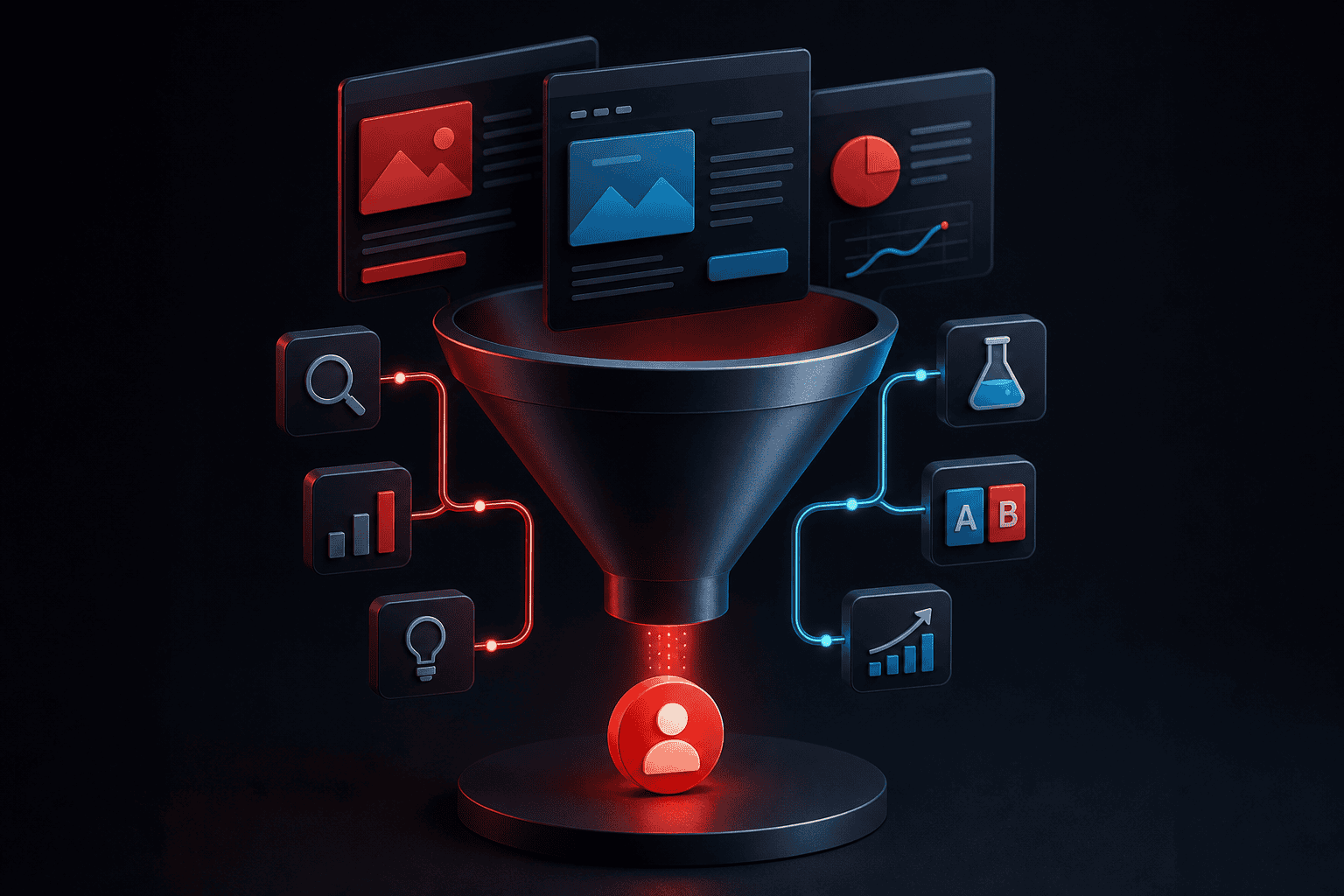
Building flows without a testing plan. Every flow should have A/B tests running on subject lines and send times. Without testing, you're guessing.
Setting it and forgetting it. Flows need quarterly reviews. Offers go stale, product recommendations become outdated, and what worked at 500 subscribers may not work at 5,000.
Over-discounting. Training your list to wait for a discount before buying is a slow revenue leak. Use incentives strategically, not as a default.
Ignoring deliverability. A flow that lands in spam generates zero revenue. Warm up new sending domains properly, monitor open rates by segment, and clean your list regularly.
FAQs
How many emails should a Shopify abandoned cart flow have?
Three is the standard starting point. The first sends within an hour of abandonment, the second follows up 24 hours later with social proof, and the third arrives 48 to 72 hours after that — optionally with an incentive. A fourth email can work for high-ticket products, but most stores see diminishing returns beyond three.
Do I need Klaviyo for Shopify email marketing, or can I use Shopify Email?
Shopify Email handles basic campaigns and some automation, but Klaviyo offers significantly more depth for behavioral flows, segmentation, and revenue attribution. For a store that's serious about email as a revenue channel, Klaviyo's integration with Shopify customer and product data makes it the stronger tool.
How long should a welcome series be?
Four to five emails over seven to ten days works well for most stores. The goal is to introduce the brand, build trust, and move a new subscriber toward a first purchase without overwhelming them. If your product requires more education, a longer series can work — but every email needs a clear purpose.
What's the best way to measure if my flows are working?
Track flow-attributed revenue, open rate, click rate, and placed order rate per flow in Klaviyo. Compare your abandoned cart recovery rate month over month. For post-purchase flows, watch repeat purchase rate and review submission rate. Revenue per recipient is the most useful single metric for comparing flow performance over time.
Should I offer a discount in my welcome flow?
Only if you're already using one as your opt-in incentive. If someone signed up to get 10% off, deliver it in email 1. If your opt-in didn't promise a discount, don't introduce one in the welcome series — it trains subscribers to expect discounts before they've even experienced the product. Save incentives for the final email in a winback or abandoned cart flow.
How often should I review and update my email flows?
A quarterly review is a reasonable minimum. Check that product recommendations are current, offers haven't expired, and copy still reflects how you talk about your brand. After any major product launch or brand update, audit all active flows to make sure the messaging is consistent.
Can email flows work for a new Shopify store with a small list?
Yes. Flows are triggered by behavior, not list size, so they work from day one. A new store with 200 subscribers still benefits from a welcome series and abandoned cart flow. The revenue impact grows as the list grows, but the infrastructure should be in place before you start driving traffic.
Build the System Before You Scale the Traffic
Paid ads and influencer campaigns drive traffic. Email flows capture the value from that traffic and turn it into revenue over time. If your flows aren't in place before you scale acquisition, you're paying to fill a leaky bucket.
The stores that win with email in 2026 aren't the ones sending the most campaigns. They're the ones with a clean Klaviyo setup, well-structured flows, consistent brand voice, and a testing habit. That system takes time to build correctly — but once it's running, it works around the clock without requiring a new brief every week.
If you're building or rebuilding your Shopify store and want email designed alongside it from the start, Splash Creative handles Klaviyo setup, flow architecture, and email design as part of the same fixed-fee engagement as your store build. Let's talk about your project.