- What a Conversion Rate Optimization Agency Actually Does
- What to Expect When You Hire a CRO Agency
- Red Flags to Watch For
- When CRO Alone Isn't the Problem
- What a CRO Expert Actually Looks Like
- How CRO Fits Into a Broader Design and Marketing Engagement
- FAQs
A conversion rate optimization agency helps you turn the traffic you already have into more customers, leads, or revenue. If you've been running ads, growing organic traffic, or building an email list and your site still isn't converting the way it should, hiring a CRO agency is often the next logical step. But the category is broad, the work varies widely between providers, and it's easy to hire the wrong kind of help.
This article breaks down what a CRO agency actually does, what a good engagement looks like, and how to know whether you need a dedicated CRO specialist or a full-service studio that builds conversion into the design from the start.
What a Conversion Rate Optimization Agency Actually Does
CRO is the practice of increasing the percentage of visitors who take a desired action on your site—a purchase, a form submission, a free trial signup, a phone call. The agency's job is to diagnose why visitors aren't converting and then fix it.
In practice, that means:
- Auditing your current site for friction points, unclear messaging, slow load times, and layout problems
- Analyzing user behavior through heatmaps, session recordings, and funnel data
- Running A/B tests on headlines, CTAs, page layouts, pricing presentation, and checkout flows
- Iterating based on results, not assumptions
A serious CRO agency doesn't guess. It forms hypotheses from data, tests them, and reports on what actually moved the needle.
The Difference Between CRO and Web Design
Web design makes your site look good and function correctly. CRO makes your site perform better. These are related, but they're not the same thing.
A beautiful site with confusing navigation and weak copy will still underperform. A plainer site with clear messaging, a fast checkout, and a compelling offer can convert well. The best outcomes come when design and conversion strategy are built together—not bolted on in sequence.
This is one reason many founders end up working with a studio that handles both, rather than hiring a web designer and then a separate CRO specialist after the fact.
What to Expect When You Hire a CRO Agency
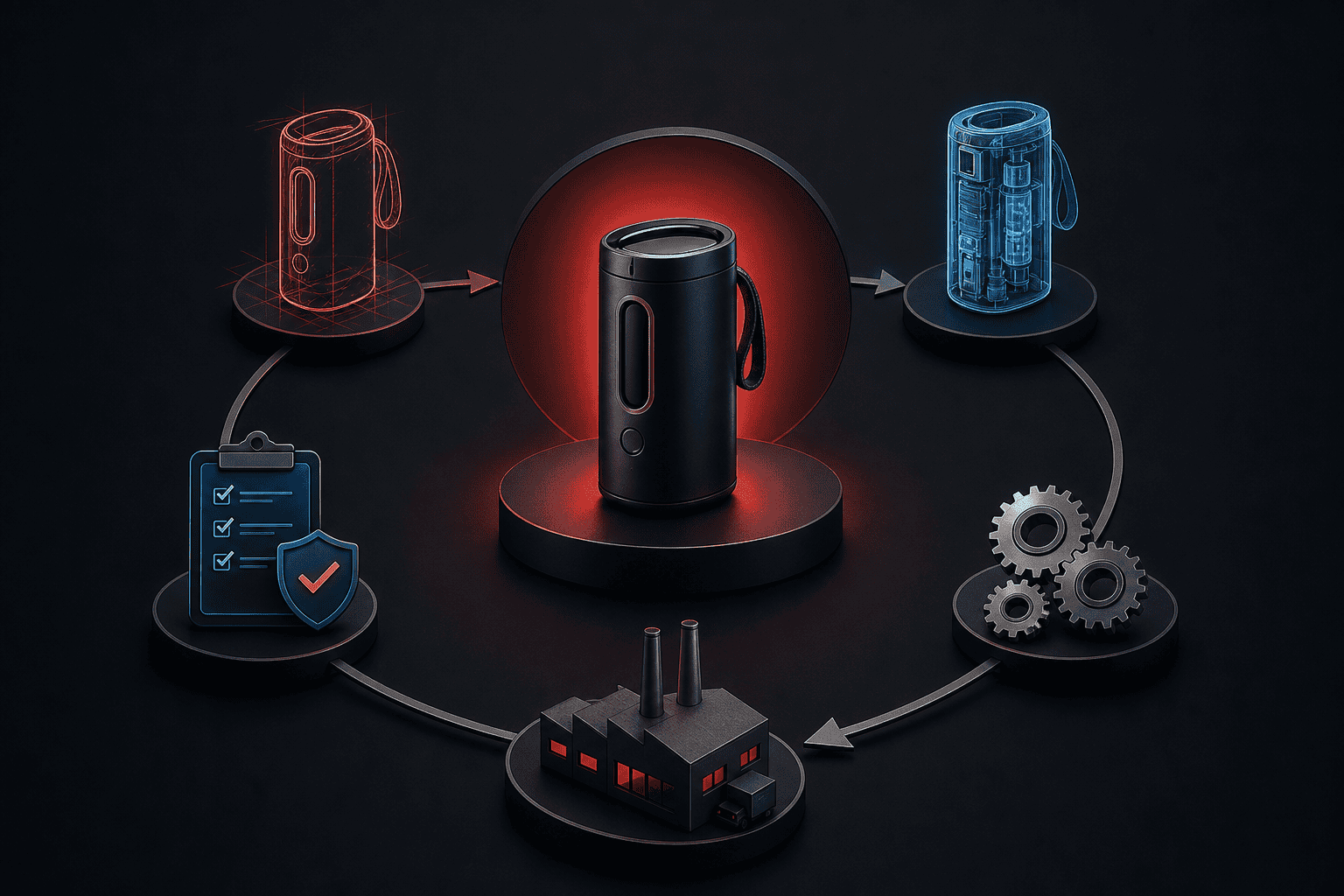
Engagement structures vary, but most reputable agencies follow a similar arc.
Discovery and Audit
The first phase is diagnostic. The agency reviews your analytics, maps your conversion funnel, and identifies where visitors are dropping off. Expect questions about your traffic sources, your current conversion rate, your average order value or deal size, and what you've already tested.
A good agency will tell you what they found before recommending what to fix. If the audit phase is skipped or rushed, that's a red flag.
Hypothesis Development
Once the data is in, the agency builds a prioritized list of tests. Each test should have a clear hypothesis: "We believe changing the CTA copy from 'Submit' to 'Get my free quote' will increase form completions because it communicates value rather than obligation."
Vague recommendations like "improve the homepage" aren't CRO. Specific, testable hypotheses tied to observed behavior are.
Testing and Implementation
This is where the actual work happens. Tests might run on landing pages, product pages, checkout flows, pricing pages, or email sequences. A/B testing is the most common method, though multivariate testing is used when traffic volume supports it.
Implementation quality matters. A poorly coded test can skew results or break the page for a subset of visitors. Agencies that handle both design and development in-house tend to execute more cleanly than those that hand off to a third-party dev.
Reporting and Iteration
After each test, the agency reports on results: what won, what lost, what was inconclusive, and what to test next. A good CRO engagement is iterative. You're not buying a one-time fix—you're building a testing practice that compounds over time.
Ask any agency you're evaluating how they handle inconclusive tests and what their process looks like when a test produces no statistically meaningful result. The answer tells you a lot about their rigor.
Red Flags to Watch For
Not every agency that calls itself a CRO shop delivers real optimization work. Some common warning signs:
Guaranteed conversion lifts. No honest agency promises a specific percentage increase. Results depend on your baseline, your traffic volume, your product, and your market. Guarantees are a sales tactic, not a service commitment.
No audit before recommendations. If an agency tells you what to fix before reviewing your data, they're guessing. CRO without diagnosis is just redesign with a different label.
Vague deliverables. You should know exactly what you're getting: which pages are being tested, how many tests per month, what the reporting cadence looks like, and what happens at the end of the engagement.
No explanation of statistical significance. A test that ran for two weeks with 200 visitors is not a valid test. Agencies that report "wins" without discussing sample size or confidence levels are either inexperienced or not being straight with you.
Scope creep without scope changes. If the work keeps expanding without a conversation about what that means for the timeline or fee, you'll end up in an open-ended engagement with no clear endpoint.
When CRO Alone Isn’t the Problem
Sometimes founders hire a CRO agency when the real issue is upstream of conversion. If your brand positioning is unclear, your visual identity looks unfinished, or your site was built without a coherent content strategy, no amount of A/B testing will fully compensate.
Visitors make trust decisions in seconds. A site that looks inconsistent, loads slowly on mobile, or presents messaging that doesn't match the ad they clicked will lose people before any CRO tactic has a chance to work.
In those cases, the better investment is often a studio that handles brand strategy, design, and conversion thinking together. The Metabolik and Huug projects at Splash Creative are examples of this approach—the brand, the Shopify build, and the email flows were designed as a system, not assembled from separate vendors.
What a CRO Expert Actually Looks Like
A CRO expert isn't just a designer who runs tests. The role requires analytical thinking, familiarity with testing tools, an understanding of user psychology, and enough design and copy judgment to generate meaningful test variations.
When evaluating an agency or specialist, look for:
- Experience with your platform (Shopify, custom builds, and landing page tools each have different testing constraints)
- A clear process for prioritizing tests based on potential impact and implementation effort
- Case studies that show before-and-after results, not just aesthetic improvements
- Honest communication about what's testable given your current traffic levels
Low-traffic sites are a real constraint. If you're getting fewer than a few thousand monthly visitors to the page you want to test, A/B testing may not produce statistically valid results in a reasonable timeframe. A good agency will tell you this upfront and suggest alternatives—qualitative research, UX review—rather than selling you a testing program that can't work at your volume.
How CRO Fits Into a Broader Design and Marketing Engagement
Conversion optimization doesn't live in isolation. It connects to your brand messaging, your visual design, your email flows, and your paid media targeting. When those elements are aligned, CRO work compounds. When they're fragmented, you're optimizing one variable while others drag performance down.
This is why growth-stage founders often get more out of a full-service engagement than a narrow CRO retainer. A studio that handles strategy, design, and email together can build conversion thinking into every layer of the project, rather than treating it as a post-launch patch.
If your site is losing deals and you're not sure whether the problem is design, messaging, or conversion mechanics, the most useful first step is usually a candid audit that looks at all three. Splash Creative works with founders at exactly this stage, scoping every project in writing before kickoff so you know what you're getting before any work begins.
FAQs
What does a conversion rate optimization agency do?
A CRO agency analyzes your site data to identify why visitors aren't converting, then runs structured tests to improve the percentage who take a desired action—making a purchase, submitting a form, or something else specific to your business.
How long does a CRO engagement typically last?
Most meaningful CRO programs run for at least three to six months. Testing takes time to produce statistically valid results, and the value compounds as you build on what each test reveals.
Can a small site benefit from CRO?
It depends on traffic volume. A/B testing requires enough visitors to reach statistical significance in a reasonable timeframe. Sites with lower traffic often benefit more from qualitative research, UX audits, and copy improvements than from formal testing programs.
What's the difference between a CRO agency and a web design agency?
A web design agency builds or redesigns your site. A CRO agency focuses on improving performance through testing and iteration. Some studios handle both, which tends to produce better outcomes because conversion thinking is built into the design rather than added afterward.
How do I know if I need CRO or a full rebrand?
If your site looks inconsistent, your brand messaging is unclear, or your visual identity doesn't match your positioning, those issues will limit what CRO can accomplish. A site audit that looks at brand, design, and conversion together is usually the best starting point.
What should I ask a CRO agency before hiring them?
Ask how they prioritize tests, how they define statistical significance, what their process looks like when a test is inconclusive, and what deliverables are included in the engagement. Clear answers to these questions separate rigorous agencies from those that are mostly selling reports.
Is CRO worth it for e-commerce brands?
Yes, particularly for Shopify stores with established traffic. Product pages, cart pages, and checkout flows all have testable elements that directly affect revenue. The key is having enough traffic to run valid tests and a clear hypothesis for each one.
If your site is getting traffic but not converting, the issue is worth diagnosing properly before committing to any particular solution. Whether that means a dedicated CRO program, a site redesign, or a full brand and web engagement depends on what the audit reveals. Start there.