- What a CPG Branding Agency Actually Does
- Why CPG Branding Is Different From General Brand Work
- What to Look for in a CPG Branding Agency
- How the Right Agency Builds Shelf Presence
- The Case for a Full-Service Partner
- FAQs
- Getting the Brand Right From the Start
Consumer packaged goods live and die by first impressions. A shopper moving through a crowded aisle has seconds to notice your product, decide it belongs in their cart, and keep moving. That decision happens before they read a single word of copy — it happens because of color, shape, typography, and the story your packaging tells at a glance. A CPG branding agency exists to make sure that story is the right one.
This article covers what a CPG branding agency actually does, why the discipline is distinct from general brand work, and what separates agencies that help consumer goods brands grow from the ones that just make things look nice.
What a CPG Branding Agency Actually Does
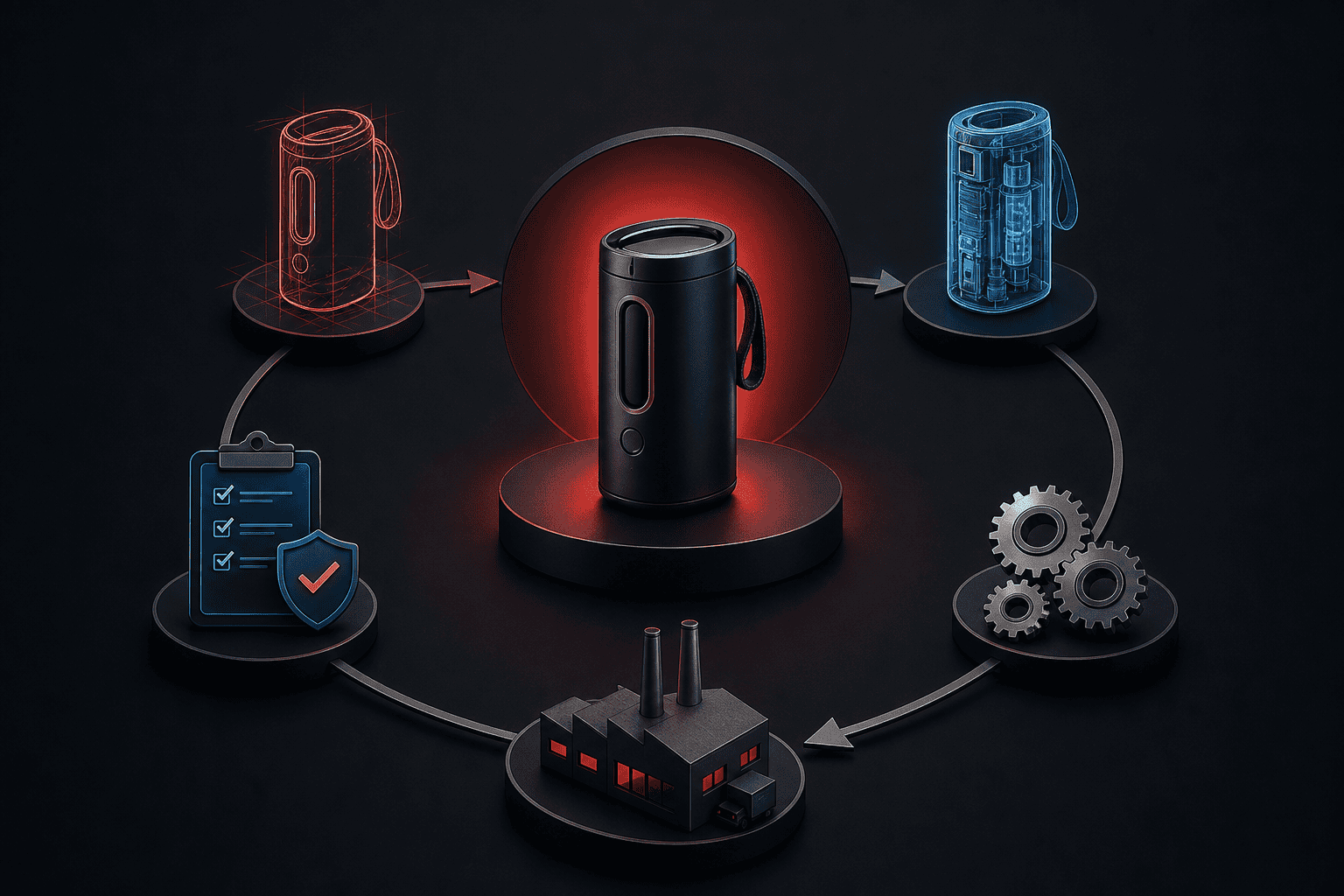
"Branding agency" covers a lot of ground, but CPG branding is a specific craft. It sits at the intersection of retail psychology, packaging engineering, category strategy, and visual design. An agency that does it well understands not just how a logo should look, but how it will read at thumbnail size on an Amazon listing, how it holds up after six months on a shelf under fluorescent lighting, and how it needs to flex across a product line without losing coherence.
At a practical level, a CPG branding agency typically handles:
- Brand strategy — defining positioning, target audience, tone of voice, and competitive differentiation before any visual work begins
- Visual identity — logo, color palette, typography, and the rules that govern how those elements are used
- Packaging design — the primary vehicle for shelf presence, including structural considerations, dielines, and print-ready artwork
- Brand guidelines — a documented system that keeps the brand consistent whether it's applied by an in-house team, a co-manufacturer, or a retail partner
- Digital extensions — the brand's presence on a DTC website, in email campaigns, and across social and retail channels
The best agencies treat these as a connected system, not a menu of separate services.
Why CPG Branding Is Different From General Brand Work
A startup founder building a SaaS product needs a brand that reads well on a screen. A CPG founder needs a brand that reads well on a screen and on a four-inch label and on a shelf end-cap and next to twelve competitors in the same category. The constraints are different — and the stakes are higher in some ways, because the physical product is the marketing.
A few specific challenges set CPG branding apart.
The Category Context Problem
Every CPG brand exists inside a category with established visual codes. Oat milk looks a certain way. Hot sauce looks a certain way. Premium supplements look a certain way. A new brand has a choice: fit those codes to earn immediate recognition, or break them to stand out. Neither answer is automatically right. The strategic call depends on where you're selling, who you're selling to, and how much category awareness you can assume.
An agency without CPG experience will often default to "make it look premium" without understanding whether premium signals match the category or alienate the buyer. A good CPG branding agency starts with the category audit before it opens a design file.
The Packaging Constraint
Packaging design is not the same as graphic design. The canvas has physical dimensions, material properties, and print limitations. A color that looks striking on screen may shift significantly in CMYK. A font that reads cleanly at large sizes may become illegible at the scale of a nutrition panel. Structural elements like closures, windows, and embossing affect how the finished piece feels in a shopper's hand.
Agencies that work regularly in CPG have these constraints internalized. They design with the production process in mind from the start, which saves significant rework cost later.
The Line Architecture Challenge
Most CPG brands don't launch with one SKU — they launch with three, or they plan to. The visual system needs to hold together across flavors, sizes, and sub-lines while still letting each variant be distinguishable at a glance. Building that architecture requires forethought. Retrofitting a coherent line system onto packaging that was designed one SKU at a time is much harder than getting it right from the beginning.
What to Look for in a CPG Branding Agency
Not every branding agency is equipped for CPG work. When you're evaluating partners, a few things matter more than portfolio aesthetics.
Category and Channel Experience
Has the agency worked in your category before? Have they designed for the retail channel you're targeting — whether that's grocery, mass, specialty, or DTC? Visual conventions and buyer expectations differ meaningfully across channels. An agency that has navigated those differences will ask better questions at the brief stage.
Strategy Before Execution
Agencies that jump straight to moodboards before completing a strategy phase tend to produce work that looks good in isolation but doesn't hold up against competitive context. The brief should include a documented positioning, a defined audience, and a clear articulation of what the brand needs to communicate — before a single concept is presented.
A Defined Process
Scope creep is a persistent problem in branding projects. An agency that scopes work in writing before kickoff, defines deliverables clearly, and ties revisions to specific phases is protecting your budget as much as its own. Vague proposals lead to vague outcomes.
Ability to Extend Beyond Packaging
Packaging is the core, but a CPG brand also needs a website, email flows, retail sell sheets, and social assets. An agency that can handle the full scope keeps your brand visually consistent across every touchpoint — and means you're not managing multiple vendors with different interpretations of your identity.
How the Right Agency Builds Shelf Presence
Shelf presence isn't a single design decision. It's the cumulative result of a brand system working correctly across every element a shopper encounters.
Color is usually the first signal — processed before shape, before text, before anything else. A brand that owns a distinctive color in its category has a real advantage, and that ownership requires both a strategic choice at the outset and the discipline to apply it consistently.
Typography carries personality. Font choices communicate whether a brand is playful or serious, artisanal or industrial, approachable or exclusive. Those signals need to match the positioning, and they need to be legible at the sizes they'll actually appear in the real world.
Hierarchy determines what the shopper reads first, second, and third. On a well-designed package, the brand name, product name, and key benefit are arranged so the eye moves through them in order. Poor hierarchy means the shopper has to work to understand what they're looking at — and most won't bother.
Consistency across the line reinforces recognition. When a shopper who bought your product once sees a new flavor on shelf, they should recognize it as yours before they read the name. That recognition is built through a coherent system, not through any single design element.
The Case for a Full-Service Partner
CPG founders often start by hiring specialists: a packaging designer here, a web designer there, a freelancer for email. The result is a brand that looks slightly different everywhere it appears. That inconsistency erodes trust — and trust is what converts a first-time buyer into a repeat customer.
A full-service agency that handles strategy, identity, packaging, web, and email under one roof gives you a brand that speaks with one voice across every channel. The guidelines are built once and applied everywhere. The visual system is designed to flex, not fracture.
Splash Creative works this way. Every project is scoped in writing before kickoff, so deliverables, timeline, and investment are clear from day one. The studio handles everything from initial strategy and logo through to Shopify builds and Klaviyo email campaigns — which means the brand that wins on shelf is the same brand that converts when a shopper finds you online.
FAQs
What does a CPG branding agency do?
A CPG branding agency develops the brand strategy, visual identity, and packaging design for consumer packaged goods. The work typically includes positioning, logo and color system, packaging artwork, brand guidelines, and digital extensions like a website or email marketing.
How is CPG branding different from regular branding?
CPG branding has to perform in physical retail environments alongside direct competitors. It requires understanding packaging production constraints, category visual codes, and retail channel expectations that general branding work doesn't typically address.
When should a CPG brand hire a branding agency?
Ideally before the first product launch, so the brand system is built correctly from the start. It's also common to bring in an agency during a rebrand, a line extension, or a channel expansion when the existing identity isn't performing.
What should I bring to a CPG branding agency brief?
Bring as much context as you can: your target customer, your price point, the retail channels you're targeting, your competitive set, and any existing brand assets. The more the agency understands your business, the more useful the strategy phase will be.
How long does a CPG branding project take?
Timelines vary by scope. A full brand identity and packaging system typically runs several weeks to a few months. Projects that also include a website or email setup will take longer. A well-run agency will define the timeline in the written scope before work begins.
Does a CPG branding agency handle packaging production?
Most branding agencies deliver print-ready artwork and dielines but don't manage the physical print run. Some have relationships with packaging suppliers and can facilitate introductions. Confirm what's included in the scope before signing.
Can a small CPG brand afford a full-service branding agency?
Full-service agencies vary in how they structure engagements. Agencies that work on fixed-fee, scoped projects give smaller brands a predictable investment without open-ended billing. The right agency will scope the work to match what the project actually needs rather than padding the engagement.
Getting the Brand Right From the Start
Shelf presence isn't luck. It's the result of strategic decisions made early and executed consistently across every touchpoint. A CPG branding agency that understands the category, respects the production constraints, and builds a system designed to scale is one of the most direct investments a consumer goods brand can make.
If you're building a CPG brand and want a partner who handles strategy through execution under one roof, learn more at splashcreative.com.