- What Branding Actually Is
- What Marketing Actually Is
- Where Businesses Go Wrong
- Why This Is a Bigger Problem in NYC
- How Branding and Marketing Work Together in Practice
- What to Look for in a Creative Partner
- The Practical Takeaway for NYC Founders
- FAQs
Most founders treat branding and marketing as two names for the same thing. They're not. Confusing them is one of the most common reasons a business burns money on campaigns that don't convert — or builds a beautiful brand that nobody ever sees.
Here's exactly what each one means, where they overlap, and why NYC businesses need both working together to grow.
What Branding Actually Is
Branding is the foundation. It's the set of decisions that define who you are, what you stand for, and how your business looks and feels across every touchpoint.
That means your logo, color palette, typography, brand voice, and the guidelines that govern how all of it gets used. But it also includes something harder to see: your positioning. Why you exist, who you're for, and what separates you from every other option in your category.
When Coverwhale went through a full rebrand, the work wasn't just visual. It started with strategy, moved through identity, and ended at launch with a coherent system that every piece of communication could draw from. That's branding done properly.
Without that foundation, marketing has nothing consistent to amplify.
What Marketing Actually Is
Marketing is how you get your brand in front of the right people and move them toward a decision.
It covers paid ads, organic content, email campaigns, SEO, social media, PR — every channel you use to reach your audience. Marketing is active and ongoing. Branding is built once and maintained. Marketing runs on top of it.
A Klaviyo welcome series, a paid social campaign, a pitch deck for investors, a Shopify product page optimized for conversion, a set of social graphics for a product launch — these are all marketing outputs. They work because the brand underneath them is clear and consistent.
Where Businesses Go Wrong
The most common mistake is investing heavily in one while neglecting the other.
Some founders spend $50,000 on paid ads before they have a clear brand identity. The ads get clicks. The landing page looks generic. The email follow-up feels disconnected from the ad creative. Customers bounce. The problem isn't the media buy — it's the brand.
Other founders spend months perfecting their visual identity and then do nothing with it. A beautiful brand sitting in a Dropbox folder doesn't generate revenue. You need a marketing engine running to put it in front of people.
The third failure mode is brand inconsistency across channels. Your Instagram looks one way, your website looks another, your email campaigns look like they came from a different company entirely. This happens when branding and marketing are handled by different people with no shared system and no guidelines to work from.
Why This Is a Bigger Problem in NYC
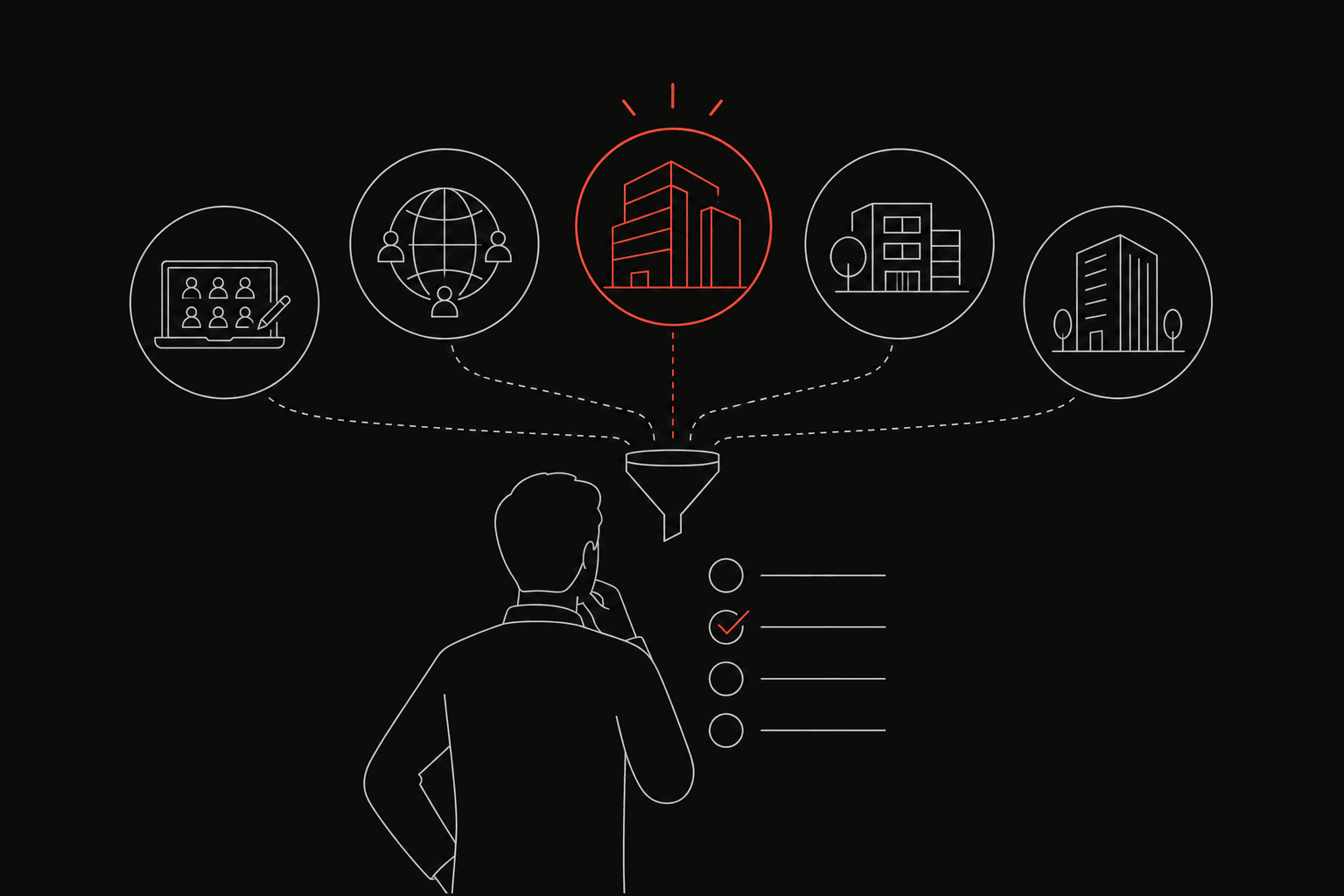
New York is one of the most competitive markets for consumer brands, health and wellness companies, CPG, and direct-to-consumer startups. Your audience is sophisticated. They've seen everything. A half-built brand signals that you're not ready.
At the same time, the pace here is relentless. Founders are time-poor. They hire a freelance designer for the logo, a separate agency for the website, and a third party for email. Nobody talks to each other. The brand fractures.
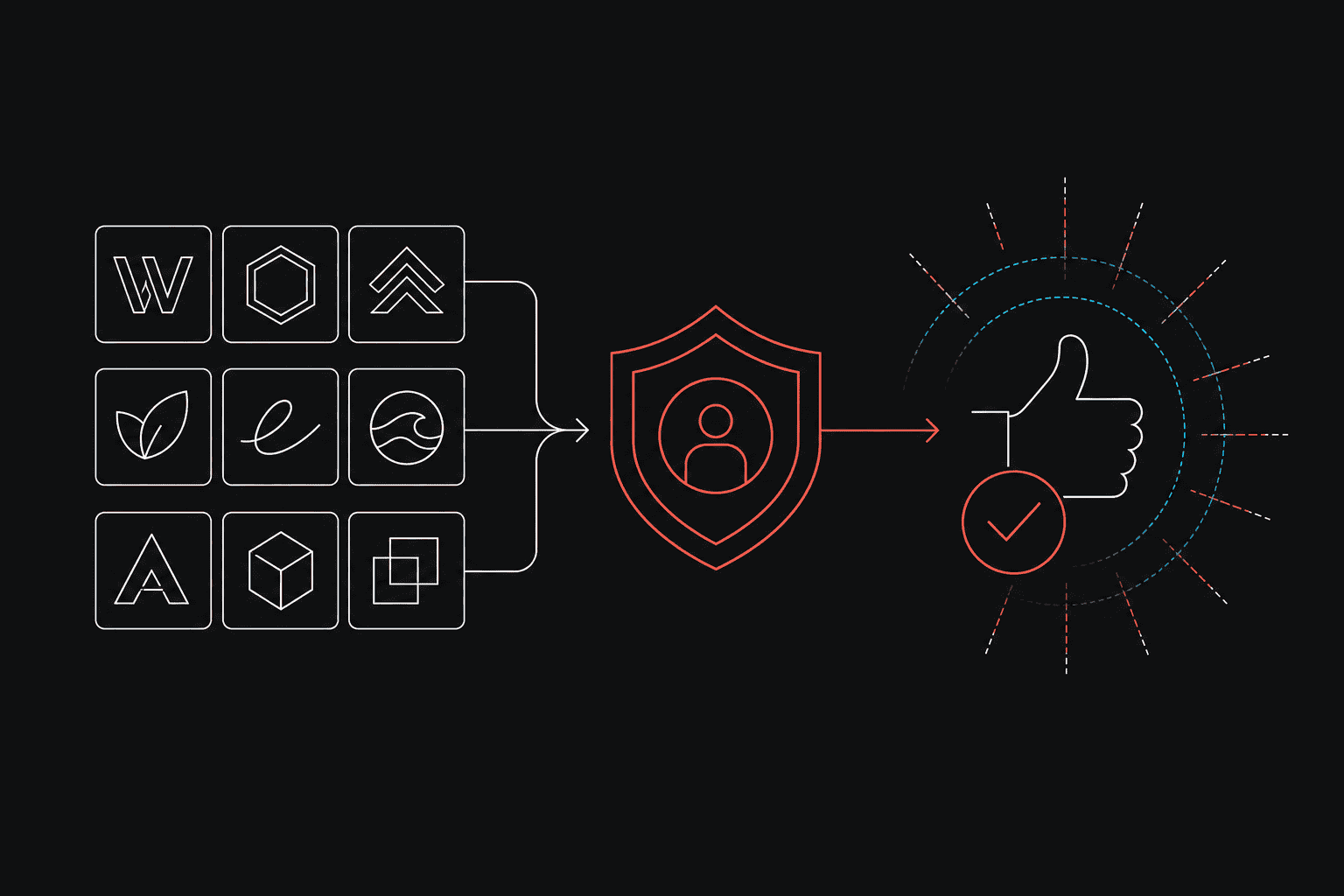
When branding and marketing are built and managed together, the brief that defines your positioning also informs your Shopify product pages, your Klaviyo automation flows, and your campaign assets. One system — not three disconnected projects.
How Branding and Marketing Work Together in Practice
A concrete example: a health and wellness brand preparing for a Series A needs to look credible to investors, convert customers on Shopify, and build a retention engine through email.
The branding work produces a logo, color system, typography, brand guidelines, and a positioning document. That foundation feeds directly into the website build, where visual identity and messaging work together to convert visitors. The same brand system then informs the Klaviyo email flows — so the welcome series, abandoned cart sequence, and post-purchase campaign all feel like they came from the same company.
When Metabolik needed a GLP-1 brand and Shopify implementation, brand and execution happened in one integrated engagement. That's the only way to avoid the inconsistency problem.
What to Look for in a Creative Partner
If you're evaluating studios for this kind of work, the questions that matter are:
- Do they handle brand strategy and execution, or just one?
- Can they build your Shopify store and set up your Klaviyo flows, or do you need to hire separately for that?
- Is the project scoped and priced before kickoff, or are you walking into an open-ended hourly relationship?
- Do they have experience in your category?
Subscription design services like ManyPixels or Penji are production tools, not strategic partners. They start around $499 per month but offer no brand strategy, no Shopify builds, and no Klaviyo integration. Crowdsourced platforms like 99designs handle one deliverable at a time with no strategy layer behind it. Neither closes the gap between brand and marketing execution.
Splash Creative is an Englewood, NJ-based studio that handles brand strategy, visual identity, web design, Shopify development, and Klaviyo email marketing under one roof. Every project is fixed-fee and scoped in writing before kickoff. No surprises. One scope document, one invoice — from logo through Klaviyo.
The Practical Takeaway for NYC Founders
Branding tells people who you are. Marketing gets that message in front of them. Neither works without the other.
If your brand is inconsistent across channels, fix the foundation before you spend more on campaigns. If your brand is solid but invisible, build the marketing engine to put it to work. If you're starting from scratch, do both together so the strategy informs the execution from day one.
The NYC market rewards brands that look like they have it together — a visual identity that holds up across your website, email, social content, and packaging, all working from the same system.
That's what it actually means to have branding and marketing working as one.
FAQs
What is the difference between branding and marketing?
Branding defines who you are, what you stand for, and how your business looks and sounds across every touchpoint. Marketing is how you reach your audience and move them toward a purchase. Branding is the foundation; marketing runs on top of it.
Why do NYC businesses need both branding and marketing?
New York is a competitive, fast-moving market. A strong brand without marketing stays invisible. Marketing without a strong brand fails to convert. NYC businesses need both working from the same system to stand out and grow.
What is digital creative marketing?
Digital creative marketing is the combination of brand strategy and marketing execution across digital channels — your visual identity, website, email campaigns, social content, and paid media, all built from a consistent brand foundation.
How do branding and Shopify or email marketing connect?
Your brand guidelines inform the visual design and messaging of your Shopify store and your email campaigns. When they're built from the same system, your Klaviyo flows, product pages, and campaign assets all feel like one brand. When they're not, customers notice.
What should I fix first: my brand or my marketing?
If your brand is inconsistent or unclear, fix it first. Spending on campaigns before your brand is solid wastes budget. Once the foundation is in place, build the marketing engine to amplify it.
How much does it cost to work with a branding and marketing studio in NYC?
Costs vary widely. At Splash Creative, branding projects start at about $12,000 for a brand identity. A full brand strategy, identity, and website runs $40,000 to $75,000 and above. Every project is fixed-fee and scoped in writing before kickoff.
Can one studio handle both branding and marketing execution?
Yes — and it's the most efficient way to work. When brand strategy and marketing execution come from the same team, the brief informs every deliverable, from brand guidelines to Shopify builds to Klaviyo automation flows, without the inconsistency that comes from hiring separately.
Ready to build a brand and a marketing system that work together? Let's talk about your project.