- Why Restaurant Branding Is Different From Generic Brand Work
- What a Restaurant Branding Project Actually Covers
- What to Look for in a NYC Restaurant Branding Agency
- What This Costs in 2026
- How Splash Creative Approaches Hospitality Branding
- FAQs
New York restaurants live and die on perception. Before a single dish reaches the table, guests have already formed an opinion — based on your name, your logo, your Instagram grid, your website, and whether any of it feels like it belongs together. Most doesn't. Not because the food isn't good, but because the brand was assembled in pieces: a logo from a freelancer, a website from a developer, social graphics from someone's cousin. And it shows.
Whether you're opening a new concept, expanding to a second location, or rebranding a place that's outgrown its original identity, finding the right branding agency for restaurants in NYC is one of the most consequential decisions you'll make. This article breaks down what hospitality branding actually requires, what separates a strong agency from a generic one, and what to look for before you sign anything.
Why Restaurant Branding Is Different From Generic Brand Work
Most branding briefs start with a logo and a color palette. Restaurant branding starts with an experience and works backward.
Your brand has to hold up across a remarkable number of touchpoints: exterior signage, menus, staff uniforms, takeout packaging, reservation confirmation emails, your Google Business listing, your website, and the Instagram presence most guests check before they ever walk through the door. Each one is a moment where your brand either reinforces itself or contradicts itself.
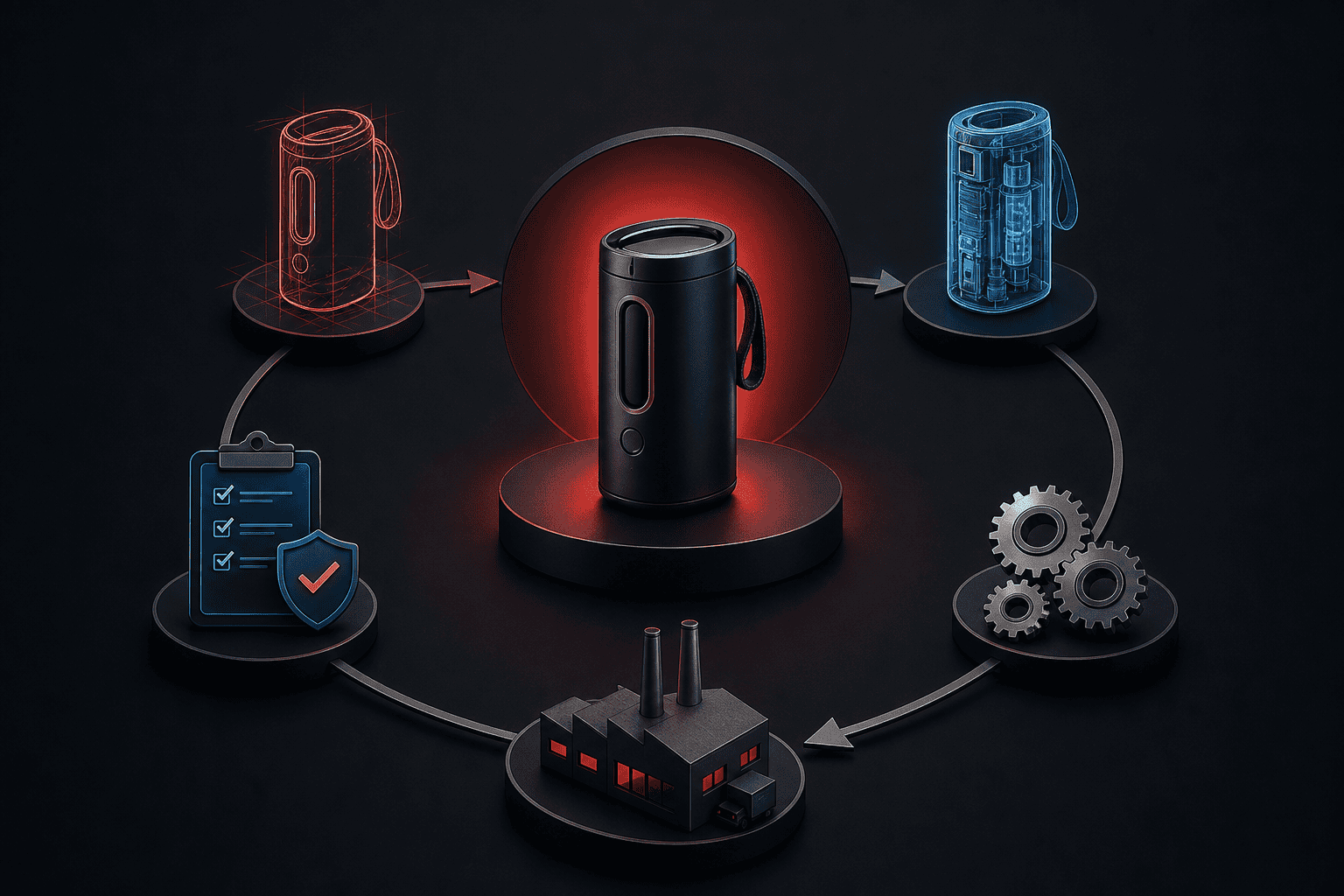
Generic brand work produces a mark and some guidelines. Restaurant branding has to produce a system that functions across physical and digital environments at the same time.
The Physical-Digital Split
Most NYC restaurants now operate in two parallel worlds. The physical experience — the room, the service, the food — and the digital one — the site, the social presence, the email list, the online ordering flow. Both need to feel like the same place.
An agency that only handles visual identity will hand you a logo and leave you to figure out how it translates to a website, a Klaviyo email campaign for your reservation list, or a Shopify-powered merchandise store. An agency that only builds websites won't have the strategic foundation to make sure the site actually reflects what the restaurant stands for.
The hospitality brands that look and feel cohesive in 2026 are the ones that worked with a partner who thought through both sides from the beginning.
What a Restaurant Branding Project Actually Covers
Here's what a comprehensive restaurant branding engagement should include — and what you should be asking any agency to account for.
Brand Strategy
Before anything gets designed, someone needs to answer the foundational questions: Who is this restaurant for? What does it stand for beyond the cuisine? How does it sit in the competitive context of its neighborhood and category? What's the story that makes it worth talking about?
Strategy isn't a mood board. It's the document that makes every design decision defensible and consistent. Without it, you end up with a beautiful logo that doesn't connect to anything.
Visual Identity System
This means the logo, yes — but also the typefaces, the color palette, the photographic style, the iconography, and the rules for how all of it works together. A restaurant identity system needs to scale from a matchbook to a billboard and look intentional at every size.
It also needs to work in context. A fine dining brand in Tribeca has different visual requirements than a fast-casual concept in Williamsburg or a hospitality group launching across multiple boroughs.
Menu and Print Collateral
The menu is the most-handled piece of branded material in any restaurant. It's also frequently the most neglected. A well-designed menu isn't just legible — it guides the guest's eye, reflects the restaurant's character, and reinforces the overall brand experience.
Print collateral extends to business cards, signage, packaging, coasters, and anything else that carries the brand into the physical space.
Website Design and Development
Your website is where guests decide to book or walk away. In New York, where diners are genuinely spoiled for choice, a slow or confusing site loses reservations in real time.
A restaurant website has a specific set of jobs: communicate the concept immediately, show the space and the food compellingly, make reservations easy to find, and work flawlessly on mobile. Most people checking your site are doing it on their phone, often while standing on a corner deciding where to eat.
Mobile-first design isn't optional. It's the baseline.
Email Marketing and Retention
Your reservation list, your loyal regulars, your private dining inquiries — these are among the most valuable contacts you have. Most restaurants either don't email them at all or send something so generic it gets ignored.
A properly structured email program handles welcome sequences, reservation follow-ups, event announcements, seasonal menu launches, and re-engagement for lapsed guests. When it's built on a platform like Klaviyo and connected to your actual guest data, it becomes a real retention tool rather than an afterthought.
What to Look for in a NYC Restaurant Branding Agency
They Think in Systems, Not Deliverables
The question isn't "can they design a logo?" It's "can they build a brand system that holds together across every surface where your restaurant shows up?" Ask to see case studies that demonstrate work across multiple touchpoints — not just a single hero asset.
They Have Hospitality Experience — or Adjacent Experience That Transfers
Hospitality branding shares DNA with consumer brand work, marketplace branding, and DTC product branding. An agency that has worked on food, beverage, retail, or marketplace concepts understands the visual language of the category and the expectations guests bring to it.
They Can Handle the Digital Side
If the agency can build the brand but not the website, or build the website but not set up email marketing, you're going to end up managing multiple vendors and hoping they communicate. That's exactly how disjointed brands get made.
The most efficient path is a partner who handles strategy, identity, web, and email as a single engagement — scoped in writing before kickoff, with a defined endpoint and no hourly billing surprises.
They Work Directly With You
Restaurant owners and operators don't have time to manage an account manager who manages a creative director who manages a designer. You need a studio that puts the decision-makers in the room together from day one.
What This Costs in 2026
Restaurant branding projects in New York vary significantly based on scope. A logo and identity system for a new concept starts around $15,000 for early-stage work. A full engagement covering brand strategy, visual identity, and a website typically runs $40,000 to $75,000 or more, depending on complexity.
Those numbers reflect real strategic work — not a template with your name dropped in. Cheap branding for a restaurant is rarely cheap. The cost shows up later in a rebrand you didn't plan for, a website that doesn't convert, or a brand that never quite earns the trust it's trying to build.
Fixed-fee engagements are worth prioritizing over hourly billing. When the price is agreed before kickoff, you know what you're getting and there are no surprises when the project hits the inevitable rounds of refinement.
How Splash Creative Approaches Hospitality Branding
Splash Creative is a New York-based full-service branding and design studio that handles strategy, visual identity, web design, and email marketing under one roof. Projects are fixed-fee and scoped in writing before kickoff — no hourly billing, no scope creep.
The studio's portfolio includes The Shuk, a marketplace brand built from scratch, alongside work spanning healthcare, real estate, DTC, and e-commerce. For hospitality and food concepts, the relevant capabilities are the same ones that make any consumer-facing brand work: a strong strategic foundation, a visual identity system that scales, a website built for mobile-first guests, and email marketing infrastructure that actually gets used.
In-person kickoff workshops are available for NYC and tri-state area clients — which matters when you're building a brand rooted in a specific place and neighborhood.
If you're evaluating partners, the right question to ask any agency is whether they can take you from brand strategy through website launch and email setup in a single engagement. Most can't. The ones who can are worth a serious conversation.
FAQs
What does a restaurant branding agency actually do?
A restaurant branding agency develops the strategic foundation and visual identity for your concept, then applies it across every touchpoint where guests encounter your brand — logo, menu, signage, website, social media, packaging, and email marketing. The best ones handle all of it as a connected system rather than isolated deliverables.
How much does restaurant branding cost in NYC?
In 2026, a logo and identity system for a new restaurant concept starts around $15,000 for early-stage work. A full brand strategy, visual identity, and website engagement typically runs $40,000 to $75,000 or more, depending on scope and complexity. Agencies that charge significantly less are usually skipping the strategy layer or working from templates.
Why does restaurant branding matter so much in New York specifically?
New York diners have more options than almost anywhere else in the world. They're also highly attuned to visual cues and will form a strong opinion about your restaurant before they've ever visited. A brand that looks assembled rather than intentional signals something about the experience before the guest even walks in.
What's the difference between a branding agency and a graphic designer for a restaurant?
A graphic designer produces assets. A branding agency builds a system — strategy, identity, guidelines, and the application of all of it across your physical and digital presence. For a restaurant, you need the system. Individual assets only work when they're part of something coherent.
Should a restaurant's website be built mobile-first?
Yes, without exception. The majority of guests searching for restaurants in New York are doing it on their phones. A website that isn't optimized for mobile will lose reservations to competitors whose sites load faster and work better on a small screen.
Do restaurants need email marketing?
Absolutely. Your reservation list and loyal regulars are among the most valuable contacts you have. A well-structured email program handles welcome messages, event announcements, seasonal menu launches, and re-engagement for guests who haven't visited recently. When it's built properly on a platform like Klaviyo, it becomes a real retention tool.
How do I evaluate a branding agency for my restaurant?
Look at their case studies across multiple touchpoints, not just logos. Ask whether they handle strategy, identity, web design, and email marketing in a single engagement. Ask how they price projects — fixed-fee is preferable to hourly. And ask whether you'll work directly with the people doing the creative work, or through layers of account management.
The restaurants that build lasting brands in New York aren't necessarily the ones with the biggest budgets. They're the ones that treated brand as a system from the start and found a partner who could build it that way. If that's where you are, Splash Creative is worth a conversation.